Motorola Signature 27: One-minute review
Last year’s Motorola Signature was a curiously low-key release that didn’t even make it to the US market. It was positioned as a slightly more affordable alternative to the super-skinny iPhone Air, with specs that came up just short of those boasted by the premium smartphone brigade.
Perhaps understandably, given the flat reception to skinny phones in general, Motorola has performed a hard reboot of its Signature lineup with the Motorola Signature 27. And there's nothing unassuming about this out-and-out flagship phone with global ambitions.
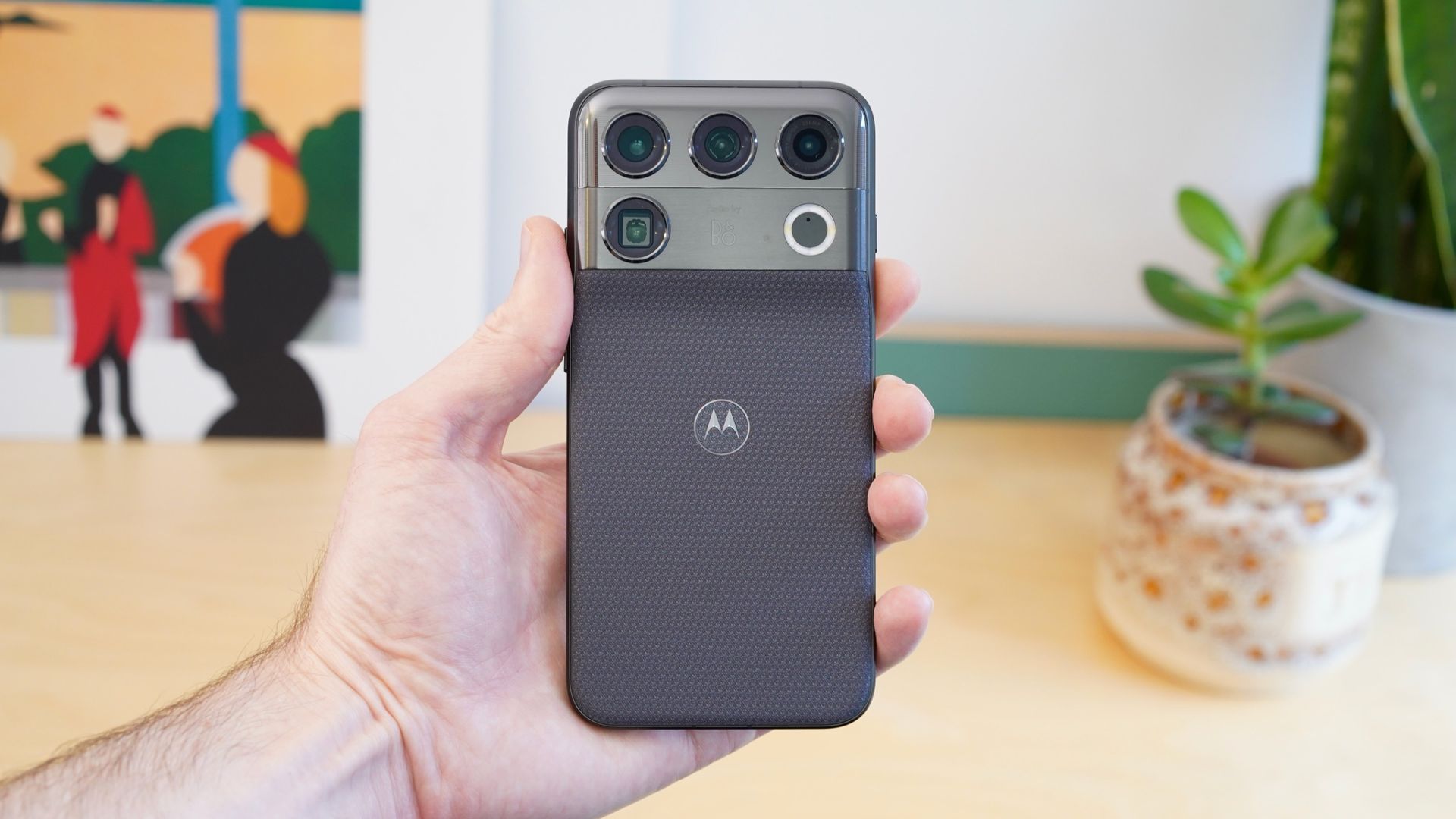
For starters, it's a much thicker, heavier phone, with a bold new look that evidently won’t be to everyone’s taste. For my money, though, its width-spanning ‘spider eyes’ camera module, ridged frame, and textured material finish make it the most striking phone on the market.
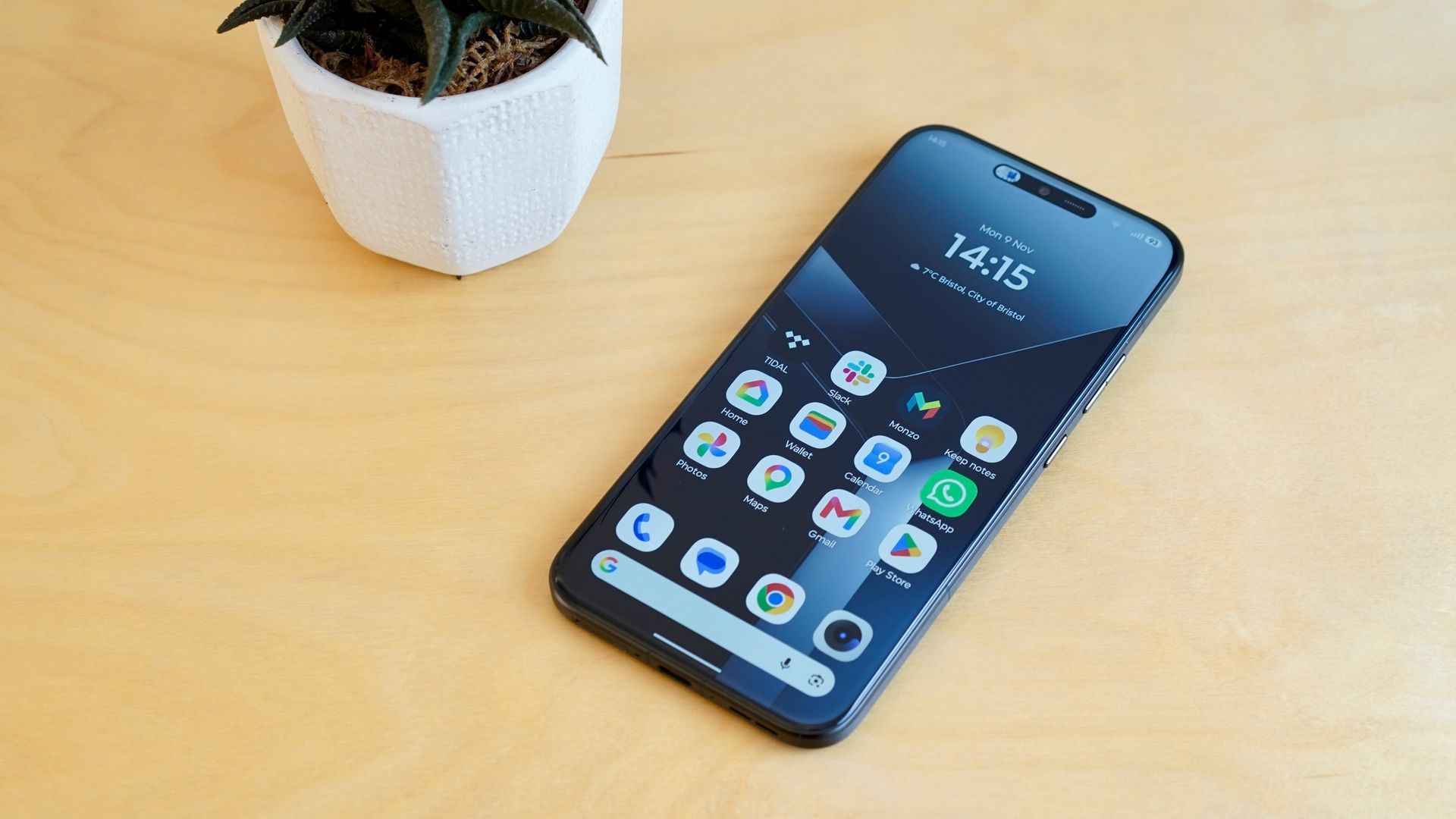
The standout spec has to be the novel deployment of Tandem OLED technology in the Signature 27’s display. It enables this 6.78-inch 1.5K screen to get ludicrously bright, which benefits HDR content in particular. It’s a real stunner.
Motorola has taken great strides forward with its camera offerings of late, and the Signature 27 is its best effort yet, though it’s not without its issues. The new main camera is capable of taking sharp, vibrant shots in a mixture of lighting conditions, though a few quirks with autofocus will need ironing out post-release.
(Image credit: Future)The 200MP telephoto captures impressively sharp, well-exposed shots at up to 6x, even in relatively poor lighting, though the ultra-wide doesn’t get close enough to the other two in tone or quality for an elite-level phone. The new dedicated action sensor is supposed to boost motion capture on the main and telephoto cameras, though it’s tricky to spot the benefits in practical terms.
Battery life is impeccable, courtesy of a large 7,000mAh cell. I was routinely able to get through two full days of use between charges. Charging is appropriately swift too, with 90W wired and 50W wireless, though it’s a shame that Motorola hasn’t supplied the Signature 27 with Qi2 support given its earlier commitment to the standard.
Performance is impeccable, with Qualcomm’s latest top-end chip producing numbers that can compete with the best. Motorola’s software isn’t quite as clean a take on Android as it used to be, but it remains easy on the eye, while the company's support promise is competitive and it’s finally taken steps to clean up its AI act.
In weighing up the Motorola Signature 27’s many outstanding attributes and occasional shortcomings, I’m left with one particularly telling feeling: regret. I’m genuinely sorry to be switching my SIM card over to one of the other major flagship phones that I’ll be tackling over the coming weeks.
I’m not yet convinced it’s the absolute best phone of 2026, but as things stand, the Motorola Signature 27 is the device I’m considering switching back to for the holiday period, once all the year’s testing is done. And if that isn’t a ringing endorsement, I don’t know what is.
Motorola Signature 27 review: Price and availability
- £1,299 / $1,599 (about AU$2,336) for 12GB/512GB
- First non-foldable flagship phone Motorola has launched in the US since 2023
- No Australia launch
- Begins shipping on December 3
Motorola’s ambitious new flagship phone will be open for pre-sales on November 16, 2026.
It’s only available with 12GB of RAM and 512GB of storage, which is probably my biggest criticism of Motorola’s launch spec. The brand wins a partial reprieve by making the phone available in the US after several years in the (non-foldable) flagship wilderness.
A price of £1,299 / $1,599 / €1,399 (about AU$2,336, though no Australia launch is planned) for the Signature 27 sounds expensive. It is expensive, especially when you compare it to last year’s £899.99 (about $1,190) Motorola Signature.
But two factors serve to temper my criticism of such a massive price hike. One thing is that the Motorola Signature 27 is shooting for a much higher target than its flagship-undercutting predecessor. That £400(!) premium buys you an above-and-beyond spec sheet this time around, without so much as a whiff of compromise.
We’ll talk about that repositioning more in the review ahead, but the wider pricing context is important here. The Signature 27 launches into a late-2026 market that’s beholden to the ongoing ‘RAMageddon’ price squeeze, where phones launched later in the year are even more expensive than equivalent (and in certain ways superior) handsets launched at the outset.
Within such terms, I’d almost be tempted to call the Motorola Signature 27 good value. Don’t laugh. I said 'almost'.
Any way you cut it, £1,299 / $1,599 is a lot of money. However, it’s also hundreds of pounds cheaper than the 512GB Samsung Galaxy S26 Ultra (and about the same price in dollars), hundreds of pounds cheaper (but $100 more expensive in the US) than the equivalent iPhone 18 Pro Max model, and hundreds of pounds cheaper than the Oppo Find X10 Pro Max (which isn't even available in the US).
- Value score: 3.5 / 5
Motorola Signature 27 review: Specs
Motorola Signature 27 specsDimensions:
162.01 x 77.04 x 7.99mm
Weight:
227g
Display:
6.78-inch Extreme OLED Duo, 120Hz
Chipset:
Qualcomm Snapdragon 8 Elite Extreme Gen 6
RAM:
12GB
Storage:
512GB
OS:
Android 17
Primary camera:
50MP (f/1.6) Sony Lytia 910 1/1.28-inch sensor w/ OIS
Ultra-wide camera:
50MP (f/2.0) 1/2.76-inch sensor
Telephoto camera:
200MP (f/2.6) 1/1.56-inch sensor
Front Camera:
16MP (f/1.9) 1/2.75-inch sensor
Battery:
7,000mAh
Charging:
90W wired, 50W wireless
Colors:
Pantone Coal Smoke, Pantone Capulet Olive
Motorola Signature 27 review: Design
 Future
 Future
 Future
- Aluminum frame, material-effect back, glass-ceramic and brushed aluminum camera module
- Pantone Coal Smoke and Pantone Capulet Olive options
- IP69/IP68 dust- and water-resistant and MIL-STD-810H rated
The Motorola Signature 27's design will divide opinion. This in itself is a sign that a manufacturer is trying something different in a painfully samey industry, and is thus to be applauded.
I don’t think we need to stop at polite applause for effort, though. The Motorola Signature 27 looks stunning and feels even better, building upon the brand's distinctive previous work with ample curves and invitingly tactile materials.
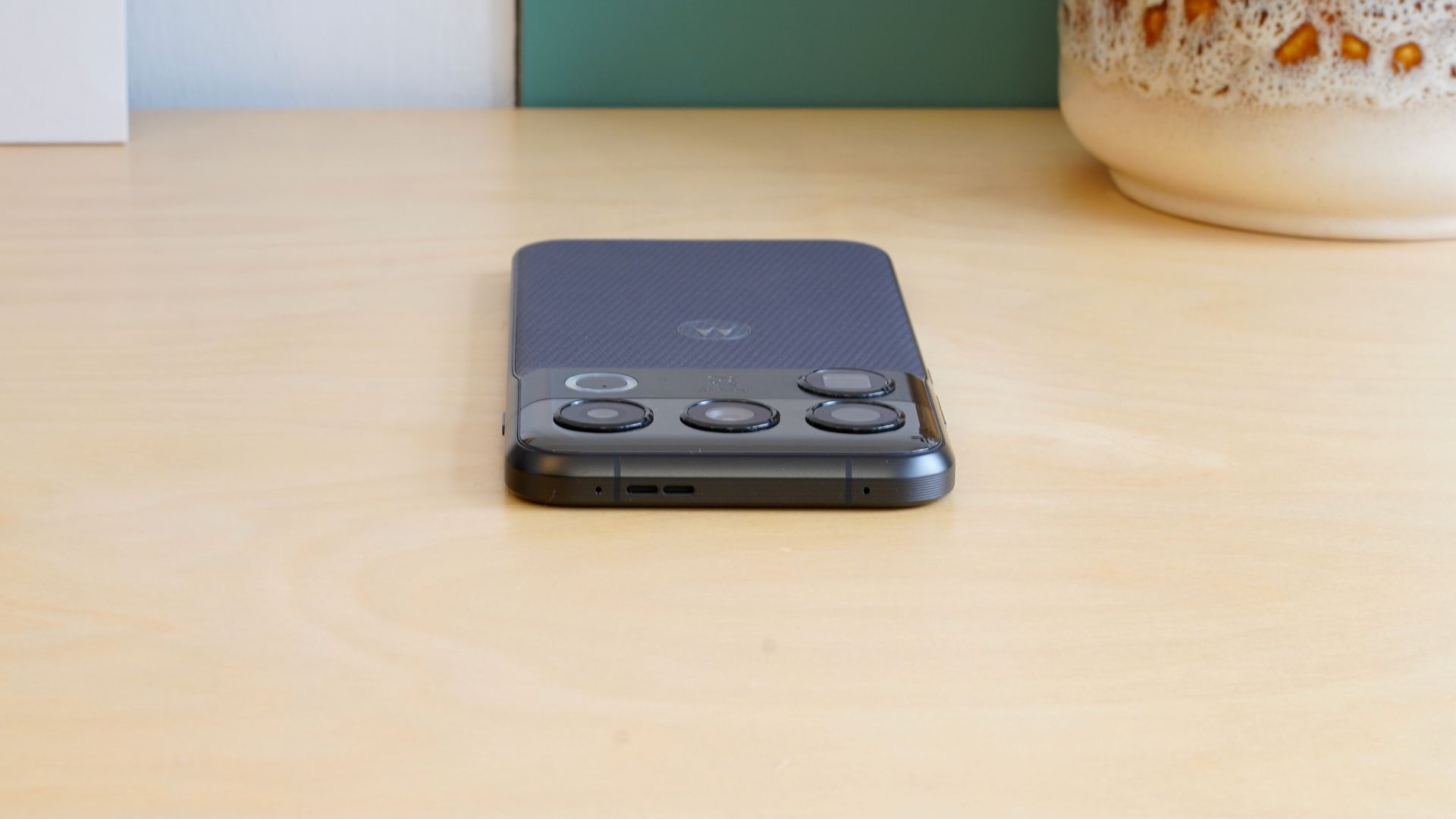
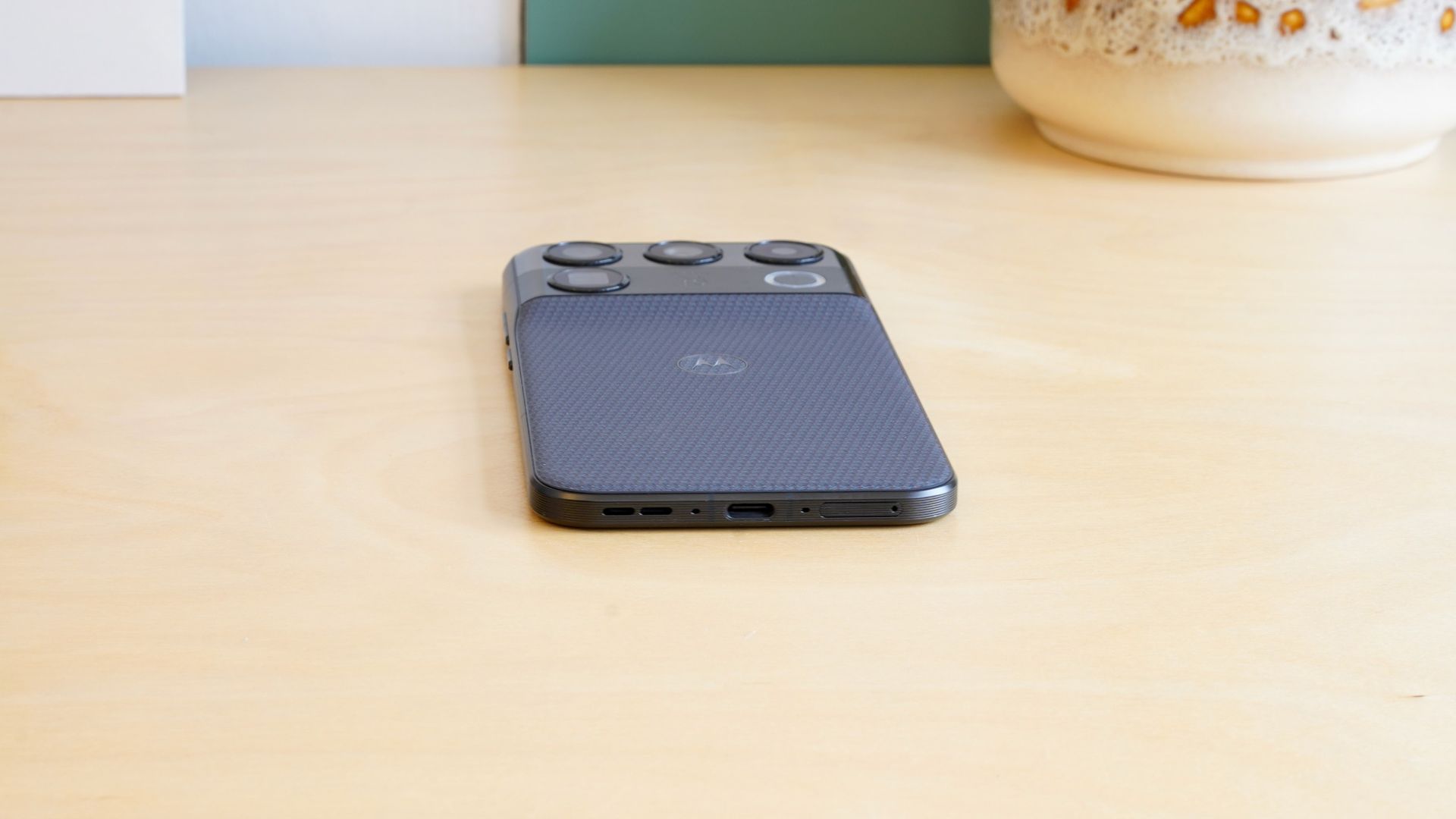
While you get an ostensibly flat aluminum rim here, it’s not that of your average iPhone wannabe. There’s a tightly grooved finish that adds a note of premium gadgety class, not to mention added grip, while the edges have a pleasing chamfer that thickens around the camera module.
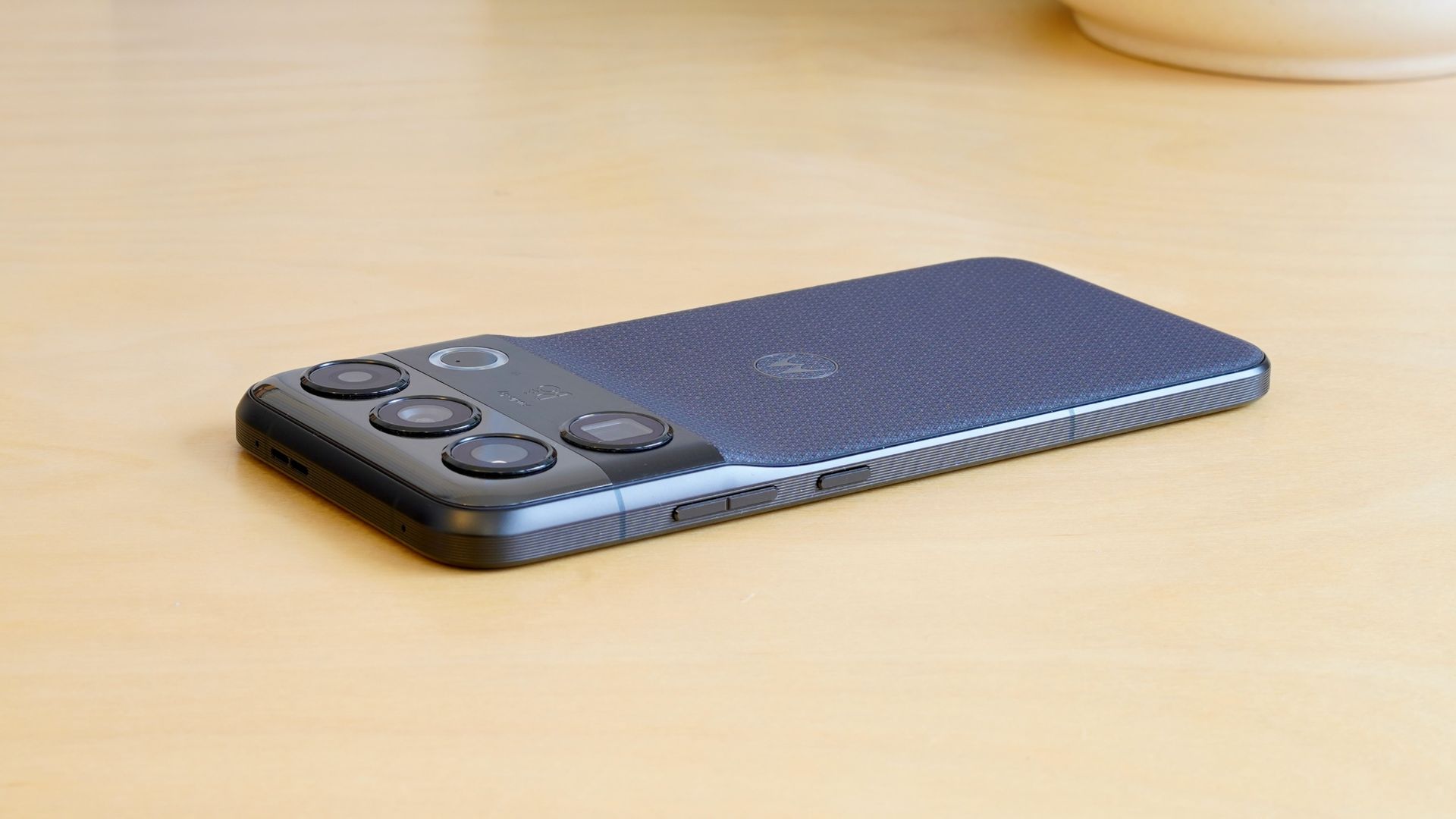
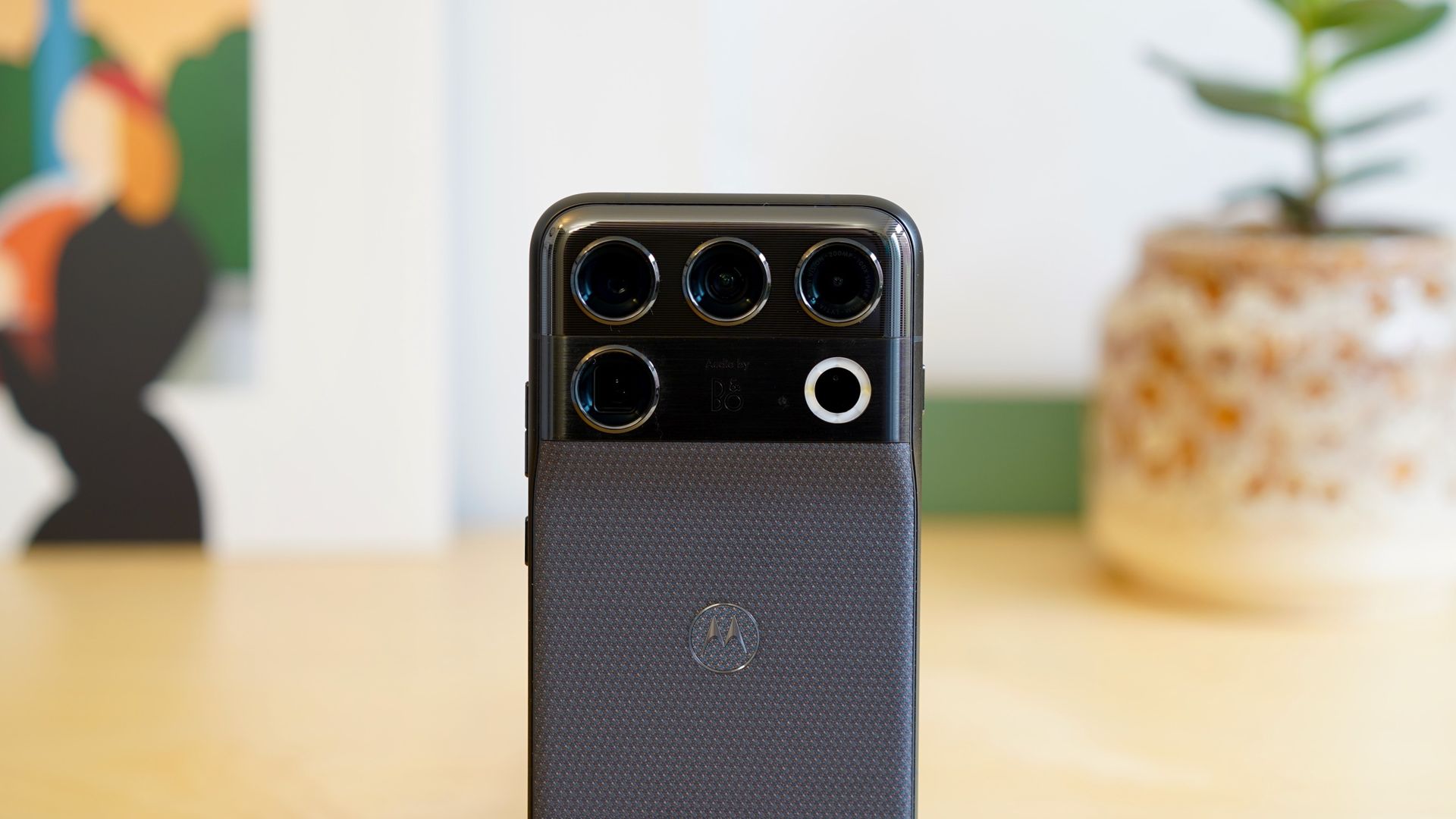
Said camera module is, I think, the source of debate over the Signature 27’s look. It gently bulges out from the rear of the phone like previous Motorola phones, but now covers the width of the device. Motorola's choice of materials is split between a strip of shiny glass-ceramic and a strip of brushed aluminum.
The Signature 27 also wears three of its camera lenses side by side (by side), giving off slight insecty vibes. Those with acute trypophobia may disagree, but I think it’s a strong look that makes full use of the available surface area while minimizing flat-surface rocking.
 Future
The rest of the rear surface pays tribute to Motorola’s work with material finishes. My stealthy Coal Smoke model adopts a tightly woven finish redolent of Kevlar or carbon fiber. It feels relatively resistant to fingerprints and nicks, at least compared to phones using more traditional glass materials.
I also spent a very small amount of time with the Pantone Capulet Olive model, which would be my preference thanks to its rich green color and warm fabric-like feel.
Whichever finish you opt for, this is a substantial phone. It doesn’t have an especially large footprint — at 162.01 x 77.04 x 7.99mm, it’s smaller than the iPhone 18 Pro Max — but a weight of 227g places it just a few grams south of the Oppo Find X10 Pro Max.
This is where Motorola’s design approach really comes good, because the Signature 27 wears that weight relatively lightly. The mix of materials and the use of assorted curves and angles means that it sits easily in the hand.
It feels dense and expensive — which, of course, it is — so it’s reassuring to note that the Signature 27 boasts both IP69 dust and water resistance and military-grade MIL-STD-810H certification. I’m still wary about how those exposed glass edges (front and back) would fare in a drop, but I’m not worried about how it’ll stand up to the day-to-day grind.
Motorola’s choice of a 2.5D Corning Gorilla Glass Ceramic 3 screen continues to run counter to the dead-flat majority, and it furthers the uniquely soft look and feel of the phone. It doesn’t hamper the viewing experience too much, though there are minor edge reflections to contend with if you’re of the ‘fill screen’ persuasion. I didn't detect any false palm inputs.
My main problem with Motorola’s display, from a design viewpoint, is a corner curve gradient that doesn’t match that of the frame. This leads to an uneven bezel thickness, which is a rare, less-than-premium touch — albeit a minor one.
- Design score: 5 / 5
Motorola Signature 27 review: Display
- 6.78-inch 120Hz LTPO OLED
- 1.5K Super HD (2772 x 1272)
- 12,000 nits peak, 3,000 nits HBM
- 2,160Hz PWM
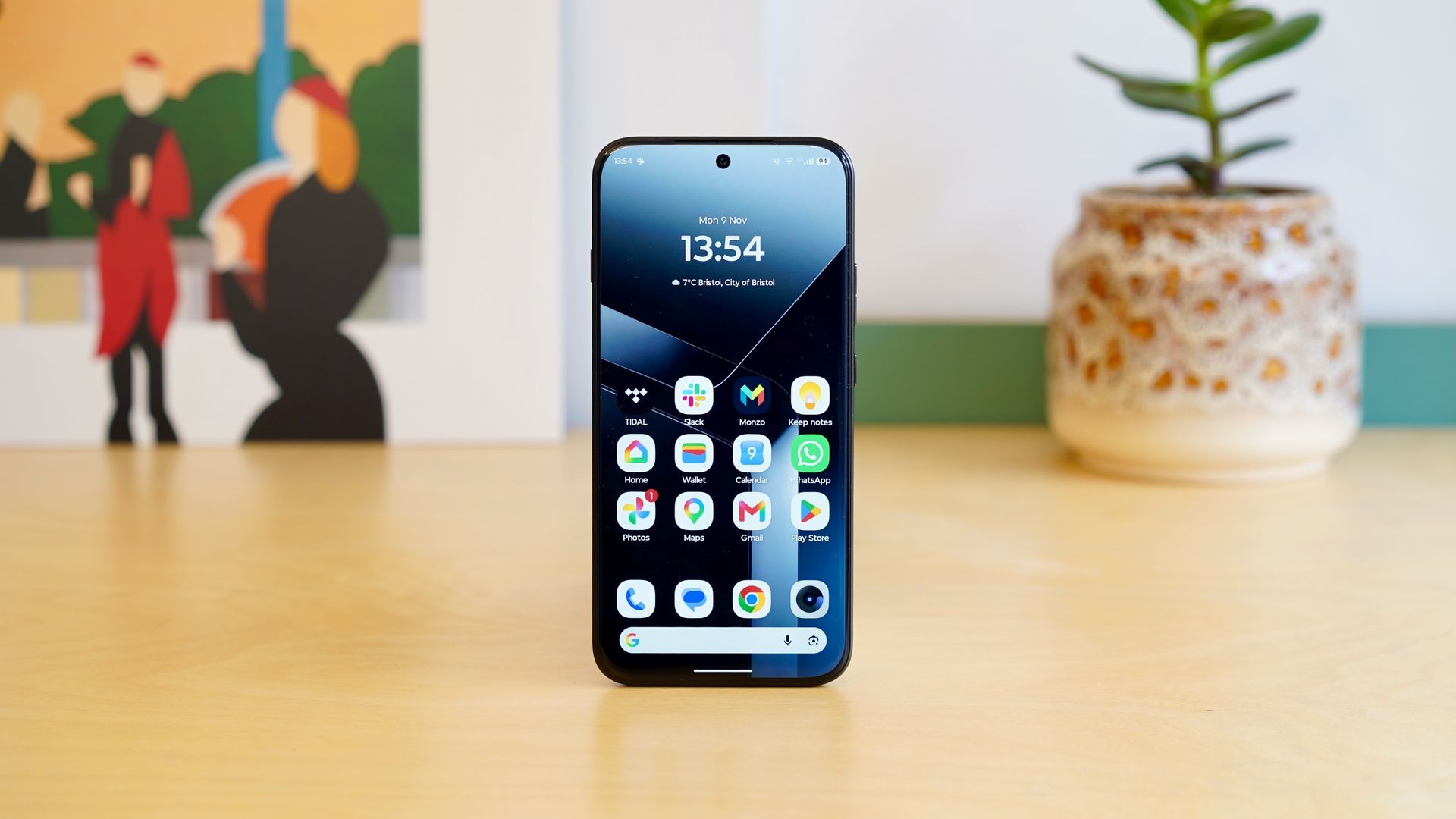
The first thing you’ll notice about the Motorola Signature 27 is its bold new design, but the most consequential addition is its new display.
The phone uses a 6.78-inch OLED panel with a 2772 x 1272 (1.5K) resolution. LTPO technology allows for a variable refresh rate from 1 to 120Hz, while there’s also a 360Hz touch sampling rate and 2160Hz PWM Dimming. So far, this is a pretty ordinary flagship spec, and not what you’d necessarily think of as a best-in-class contender.
Where things get interesting is that this is the first phone ever to deploy Tandem OLED technology. We’ve seen this technique deployed before in Apple's latest MacBook Pro and iPad Pro devices, and it fulfils a similar function here. With two layers of OLED material, the Signature 27's display can get considerably brighter without demanding too much more from the battery.
(Image credit: Future)In general terms, it produces an impressive top-level brightness of 3,000 nits in high brightness mode (HBM), making it eminently usable outdoors. That’s not even the headline spec, though.
Where the Signature 27 display really shines is in HDR content (Dolby Vision and HDR10+), where highlights can hit a staggering 12,000 nits. This extra level of peak brightness doesn’t exactly hit you around the head in day-to-day use, but the level of pop and contrast in high-quality visual content is truly impressive.
This is one of the cleanest, most vivid displays I’ve ever used, without straying into garish or unnatural territory — especially after switching to the Natural color mode.
- Display score: 5 / 5
Motorola Signature 27 review: cameras
- 50MP f/1.6 main (1/1.28-inch)
- 50MP f/2.0 ultra-wide (1/2.76-inch)
- 200MP f/2.6 3x telephoto (1/1.56-inch)
- 50MP f/1.9 selfie camera (1/2.75-inch)
Motorola didn’t used to be very good at cameras, but in the past couple of years it appears to have doubled down in this department. It’s paying dividends.
Following the Motorola Signature and Motorola Razr Fold, which deployed the same credible triple 50MP system, the Motorola Signature 27 takes things even further.
Joining the newly LOFIC-boosted 50MP 1/1.28-inch main sensor this time around is a new and much-improved 200MP 1/1.56-inch 3x telephoto camera. This joins a fairly bog-standard 50MP 1/2.76-inch ultra-wide and a 50MP selfie cam.
There’s a fourth sensor this time around, and it’s quite novel. The Signature 27 is the first phone to feature a dedicated EVS action sensor. This apparently helps the main image processor by detecting pixel-level changes in light, helping to capture movement better, even in lower-light conditions (further aided by 3.5-degree OIS).