The TechRadar audio and reviews team has spent hours. upon hours testing headphones, and from that we've come up with our definitive list of best noise-cancelling headphones.
So you're in the right place for ANC headphones, from our top pick of the Bose QuietComfort Ultra Headphones to other headphones that could suit your specific needs, as well as others we've tested that are worht a look, if not quite qualifying for a top spot on this list. You'll also find a mixe of FAQs to help you narrow down what you might want from ANC headphones, as well as other expert advice.
So read on for best noise-cancelling headphones that we've reviewed.
Score a deal on noise cancelling headphones
Right now, the Black Friday sales are underway, so it's a great time to buy a cut-price pair of noise cancelling headphones. Black Friday proper takes place on November 27, and Cyber Monday arrives November 30, so those are two key days to look out for the very best deals.
Why you can trust TechRadar's choices
Our team of audio experts, chiefly Audio Editor Becky Scarrott and Managing Editor of Home Tech Matt Bolton, have a collective 15+ years of reviewing headphones, earbuds, turntables, and other music listening tech. Well over 2,400 audio reviews later, we've (literally) heard it all.
We use these products as our own for weeks, if not months. Incorporating the best noise cancelling headphones into our daily lives is a crucial part of the testing process. Whether we're sat at our desks, commuting, or generally out and about, we take our headphones with us.
We cross-reference specs with value for money. As the end-user, you want to be confident in the products you're spending money on. That's why we endeavor to highlight noise cancelling headphones all across the budget spectrum.
We subject noise cancelling headphones to real-world tests. That means really putting them through their paces in busier environments like cafes, roadsides, gyms, offices, airports, and the like.
We enlist industry experts for buying advice and second opinions. In this very guide, you'll find supplementary information from those who work with headphones and hearing on a daily basis. Don't just take it from us; we go the extra mile to highlight extra advice to help support your purchasing decisions.
The best noise cancelling headphones overall
 Future
 Future
 Future
 Future
 Future
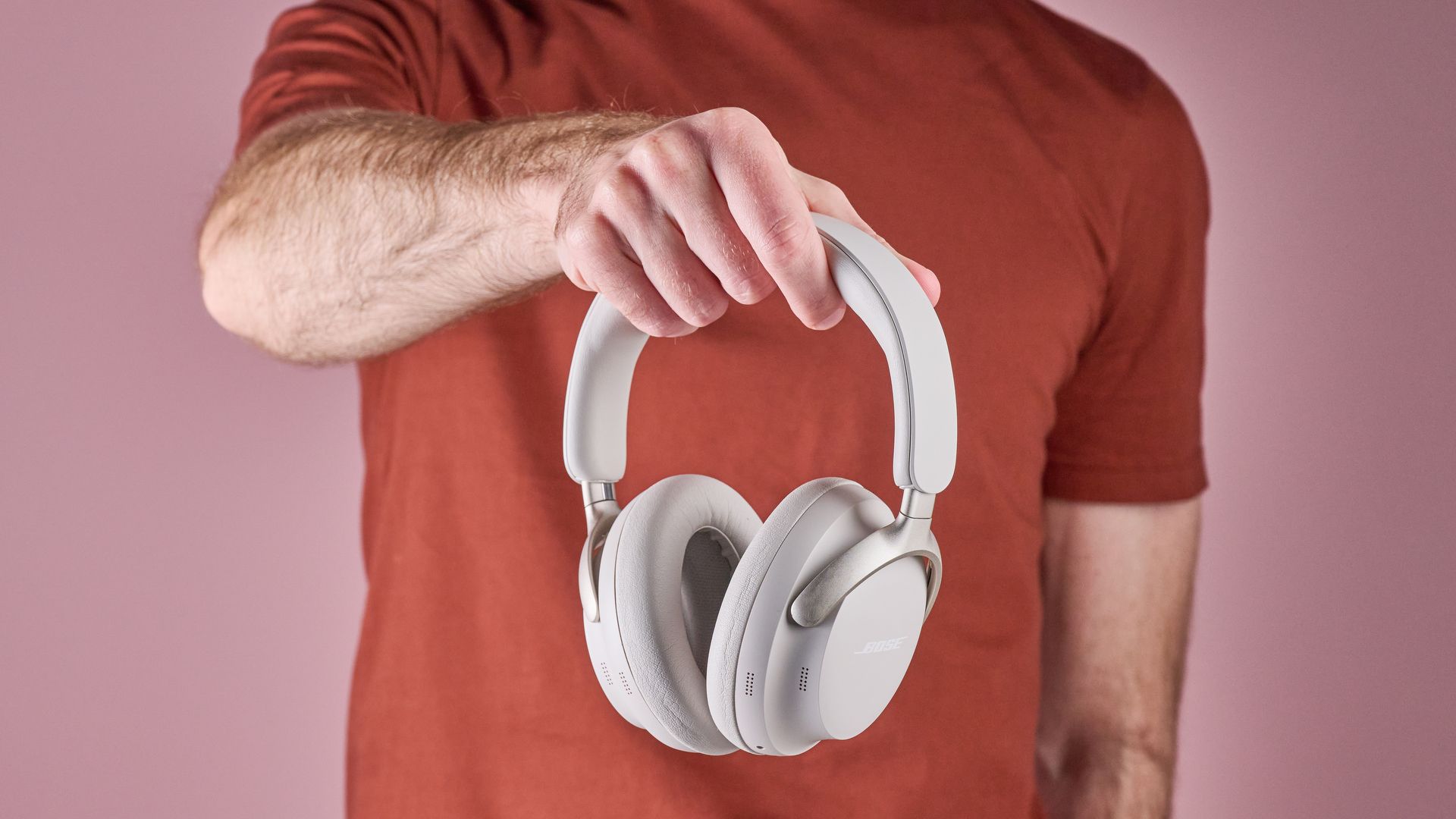
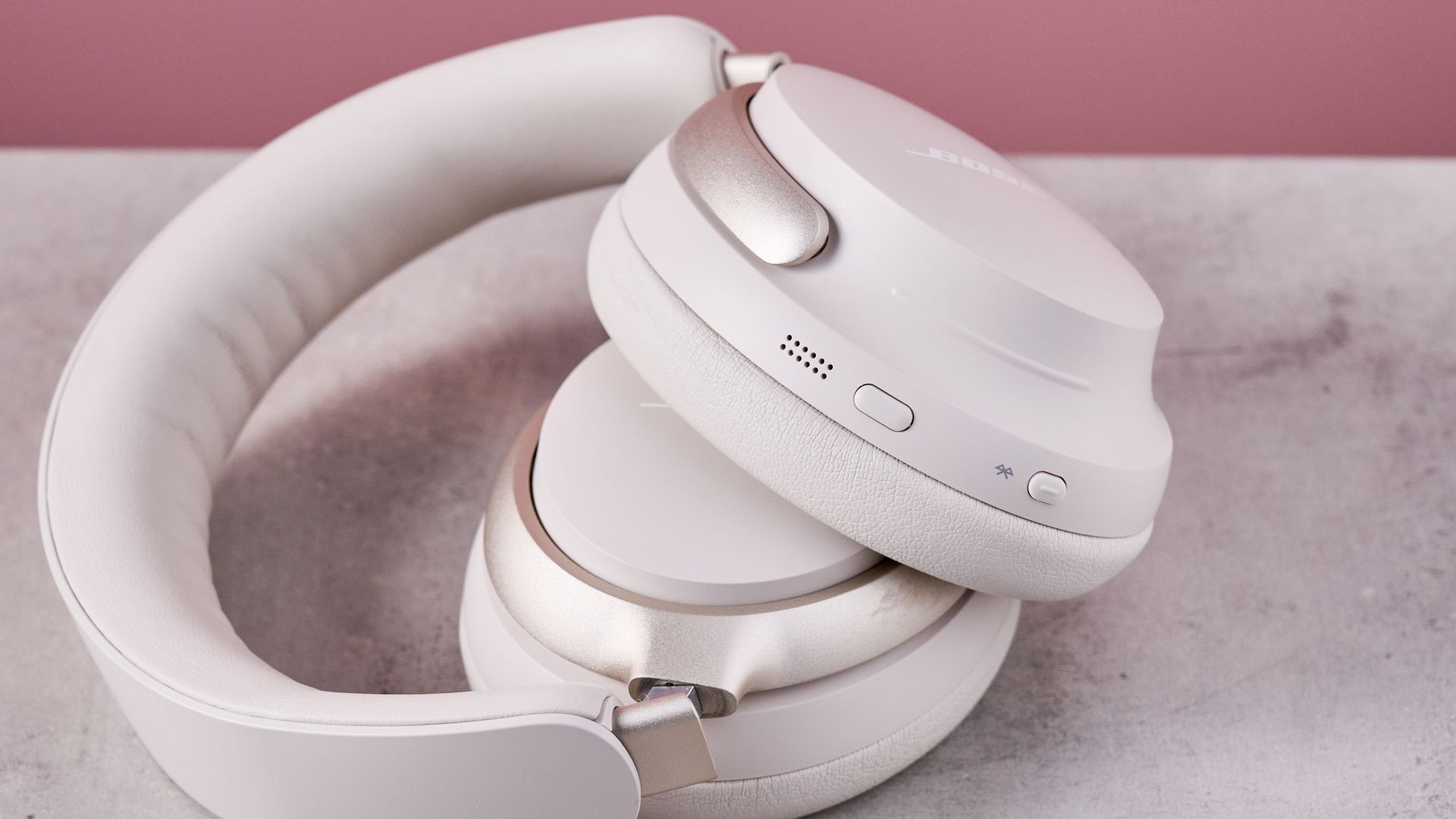
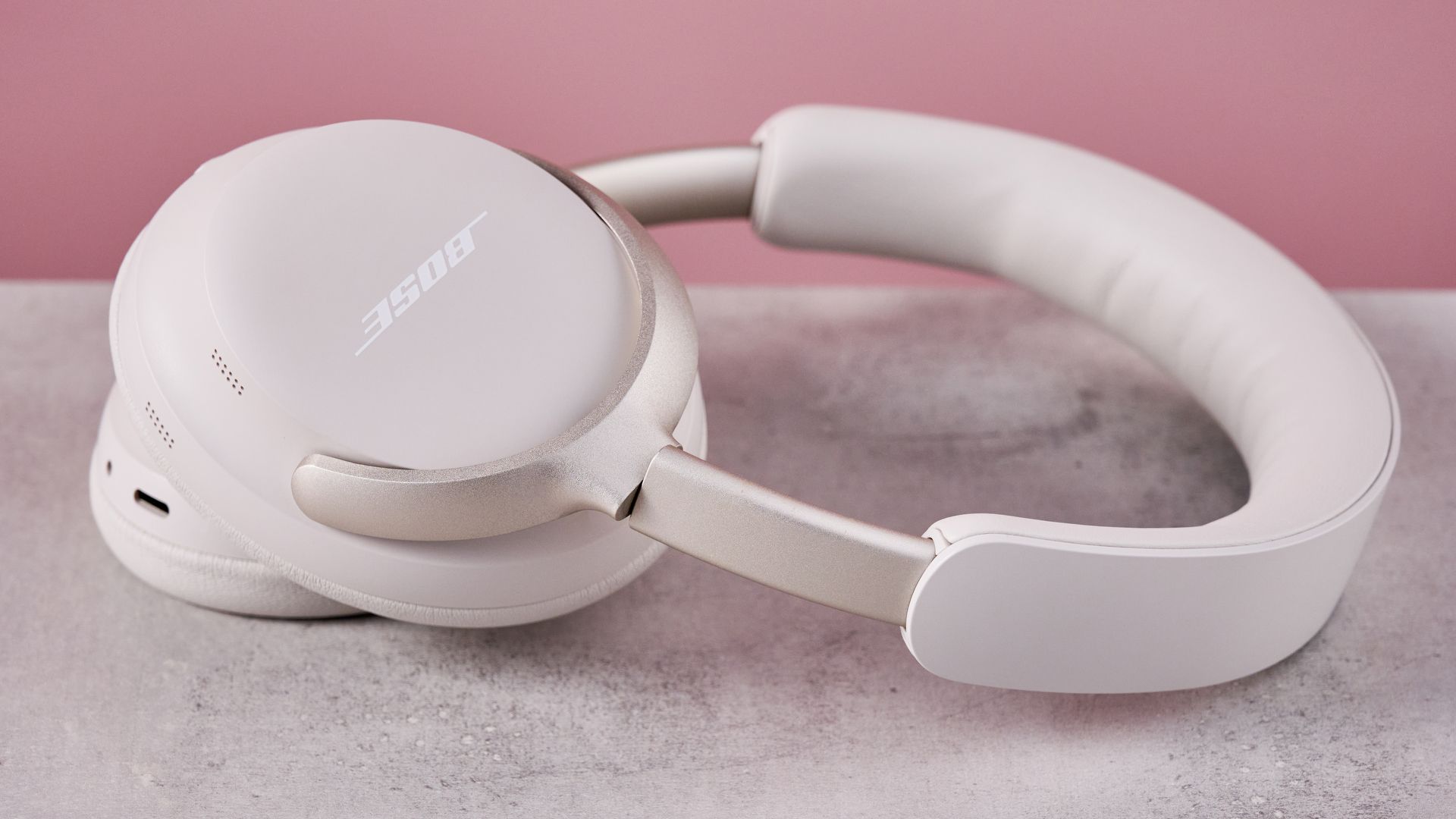
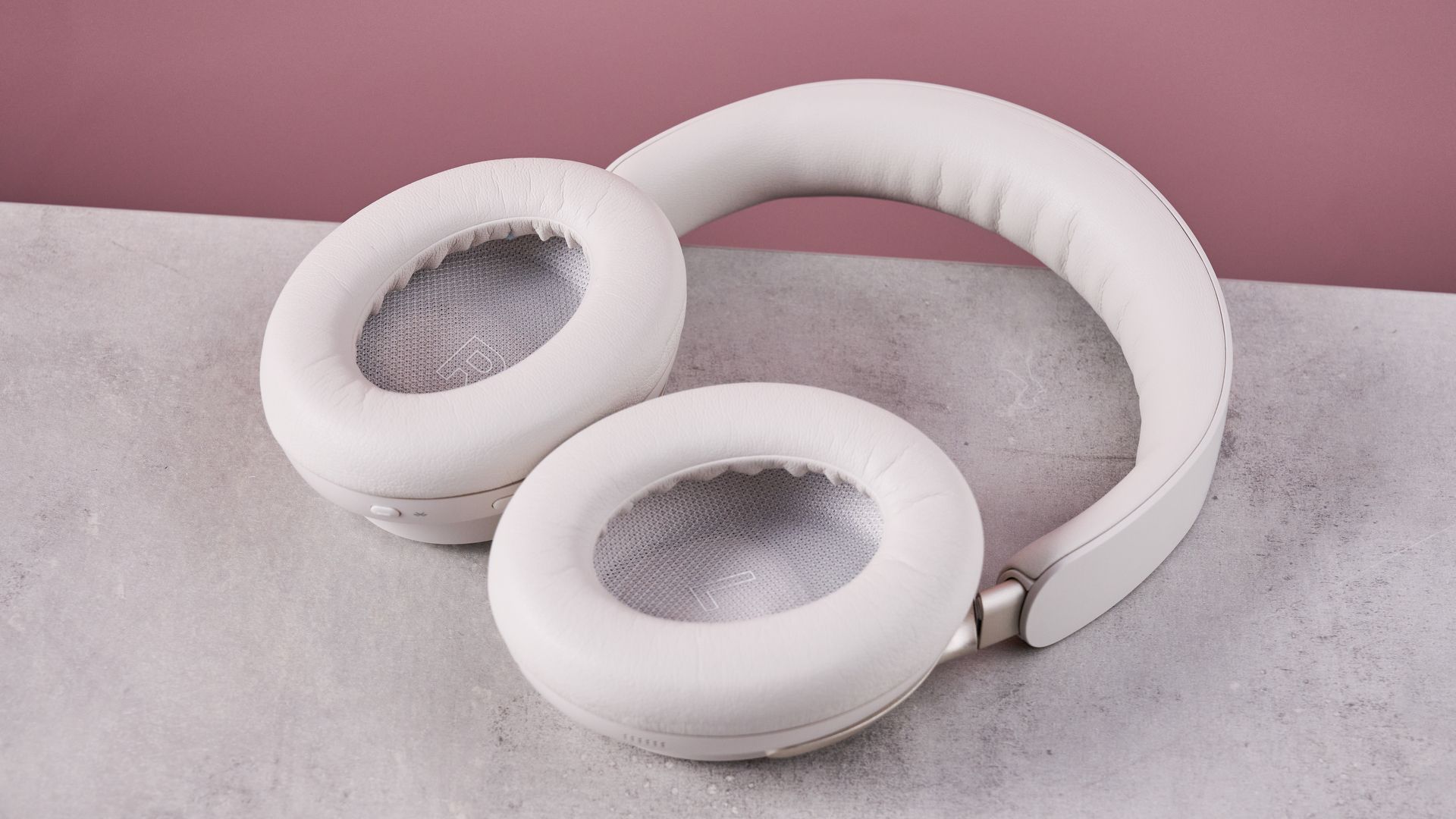
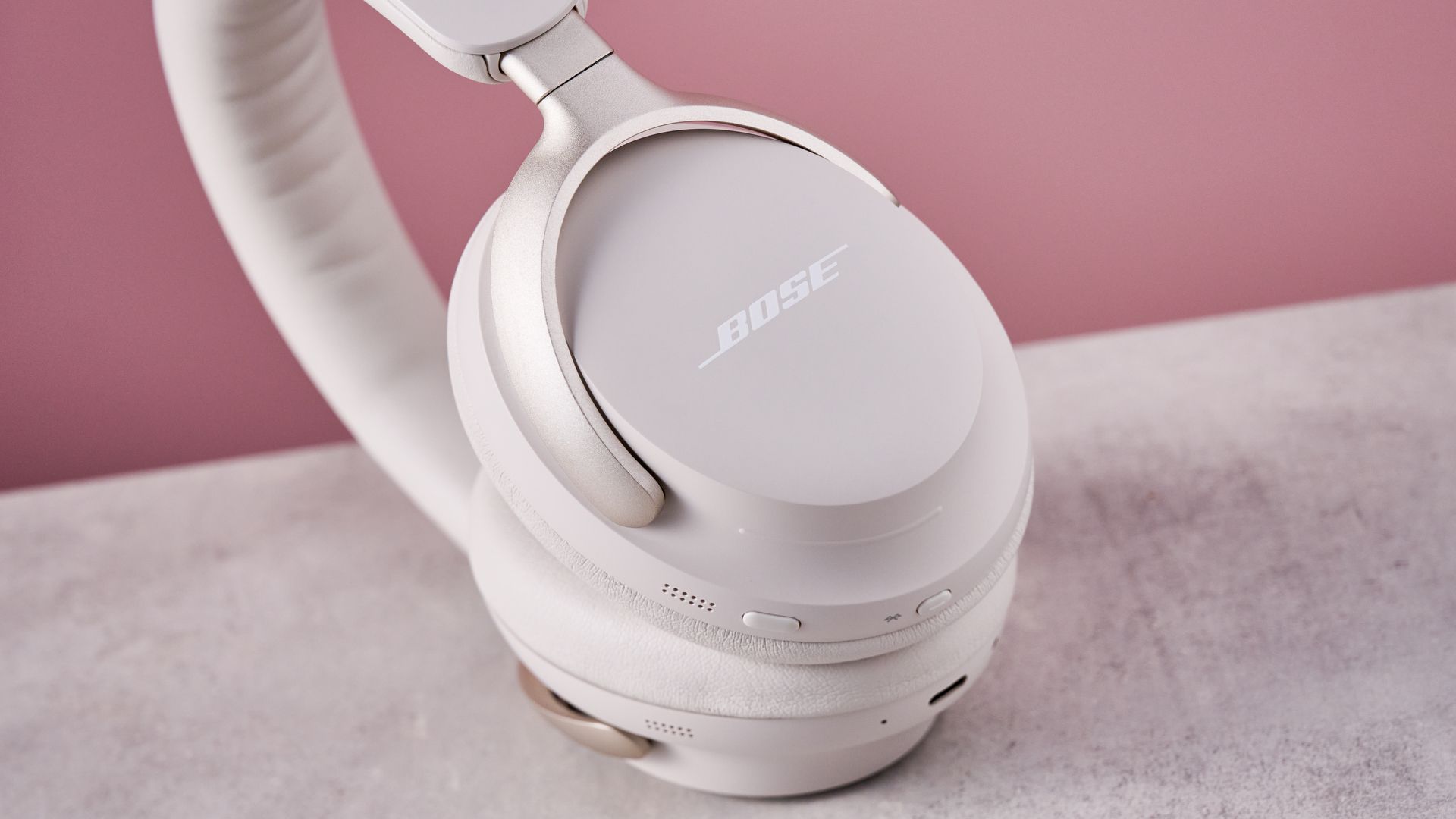
1. Bose QuietComfort Ultra Headphones
The best noise-cancelling headphones overall right now
Acoustic design: Closed | Weight: 250g | Frequency response: Not listed | Drivers: 35mm | Battery life: 24 hours
Best-in-class noise cancellation for cheaper than the competitionExcellent audio qualityLight, comfortable and folding designLimited hi-res audio supportLow battery lifeSony XM6 have a more neutral sound profileReasons to buy✅ Noise cancellation as good as anything else, but cheaper
These scored joint-top in my noise-cancellation tests, matching the Bose Ultra 2nd Gen and marginally beating the Sony WH-1000XM6, but can be found for around $100 less than those models.
✅ Comfortable and portable
I love the design of the Bose Ultras. They're very light, you can wear them for long periods without any fatigue, and they fold down small for travel.
✅ Fun and energetic sound
These give you really punchy and dynamic audio, with big (but not overly heavy) bass, zinging treble, and great clarity through the mid-range. I've loved the sound since their launch.
❌ Battery life isn't great
The 24-hour battery life is below average by modern standards. If you want 30 hours or more, the Sony WH-1000XM6 or Bose QuietComfort Ultra 2nd Gen will give this to you with the same level of noise cancellation.
❌ You want a more refined sound
The Sony WH-1000XM6 offer a little more detail, a balance of bass/mid/treble that's closer to 'neutral', and a little better cohesion from bass through to mids.
Let me sum this up quickly: Bose's first-gen Ultra Headphones offer noise cancellation that's basically indistinguishable from newer premium models, but can be bought for around $100 / £100 less than them. That's it, that's the tweet.
These were first released in late 2023, and since then Bose has released its own Bose QuietComfort Ultra Headphones (2nd Gen) and Sony has released the Sony WH-1000XM6, both of which should in theory overtake these the noise-cancellation stakes, being newer and fancier.
But, having compared the three extensively – swapping between them maybe ate up more time than any other testing I did – my conclusion is that they're still best-in-class for blocking noise in a meaningful sense. I think the 2nd Gen are marginally superior, but only if you spend ages looking for differences because you're writing a long guide to the best noise-cancelling headphones (for example).
As you can see in the tables below, I actually think these are even marginally better than the Sony XM6, based on superior performance for more chaotic real-world sounds, particularly with higher-frequency noises – I felt that that the Bose Ultra clamped down on sound better across all frequencies, while the Sony cans leaked in a little more hiss, although again I'm talking about very minor differences.
I love the design of the Bose Ultra too – they've very light, very comfortable for long periods, and fold up for travel use, which I always appreciate.
There are good reasons to choose the other two big competitors over the original Bose Ultra, though: the main two are battery life, and your sound profile preference.
Battery life is simple: the Bose Ultra only manage 24 hours with active noise cancellation turned on, compared to 30 hours each for the Bose Ultra 2nd Gen or the Sony XM6. And let me clear: the 24 hours of the Bose is a real-world figure that I've tested – you won't secretly get more out of them.
If you're good about staying on top of charging your devices, this won't be a problem; but 30 hours leaves more margin for error, in my experience, and generally means you won't find they need charging halfway through a lengthy session of use.
The sound profile issue is more complicated. I love the sound of the Bose Ultra – they're so dynamic, they have a huge range, with every frequency well-represented and offering plenty of detail, and they're punchy and fun. But they lean on having more energy in the bass and treble, and some people prefer a sound that's a closer to neutral.
Both the Bose Ultra 2nd Gen and the Sony lean more this way – I think the Sony is the superior option when it comes to sound fidelity, especially with its tighter representation of lower mids and the detail within them, creating a slightly more cohesive soundstage than the Bose Ultra, just without the extra bass depth the Bose offer.
(Though I'll mention here that the best sound in this kind of price range is offered by the Bowers & Wilkins PX7 S3, which blows away the Sony in this regard – but the noise cancellation is far behind the three options I'm talking about, which is why I dismissed it from my testing list after early comparisons. The AirPods Max are also incredibly strong for people who like a neutral sound, and have great ANC that's a bit weaker than these in the high frequencies.)
The other reason you might choose the Sony WH-1000XM6 are the superior smart features compared to Bose's headphones. Both have a spatial audio option and the ability to customize your levels of noise cancellation, but the XM6s have a few other useful options – one we particularly love in practice is the ability to just hold a hand over the earcup to active transparency mode temporarily, so you can speak to someone quickly without finding the button. And speaking of buttons, the controls are a little easier to use on the XM6s, in my opinion, but Bose's are fine.
Despite all this, for me, it comes down to bang for your buck. I regularly see the Bose QuietComfort Ultra Headphones drop to around $300 / £300, and I think the huge saving of up to $150 compared to the newer models more than negates any small advantages those have. For elite noise cancellation at a reasonable price, these are my favorites after testing all the options.
The best noise cancelling headphones under $250 / £250
 Future
 Future
 Future
 Future
 Future
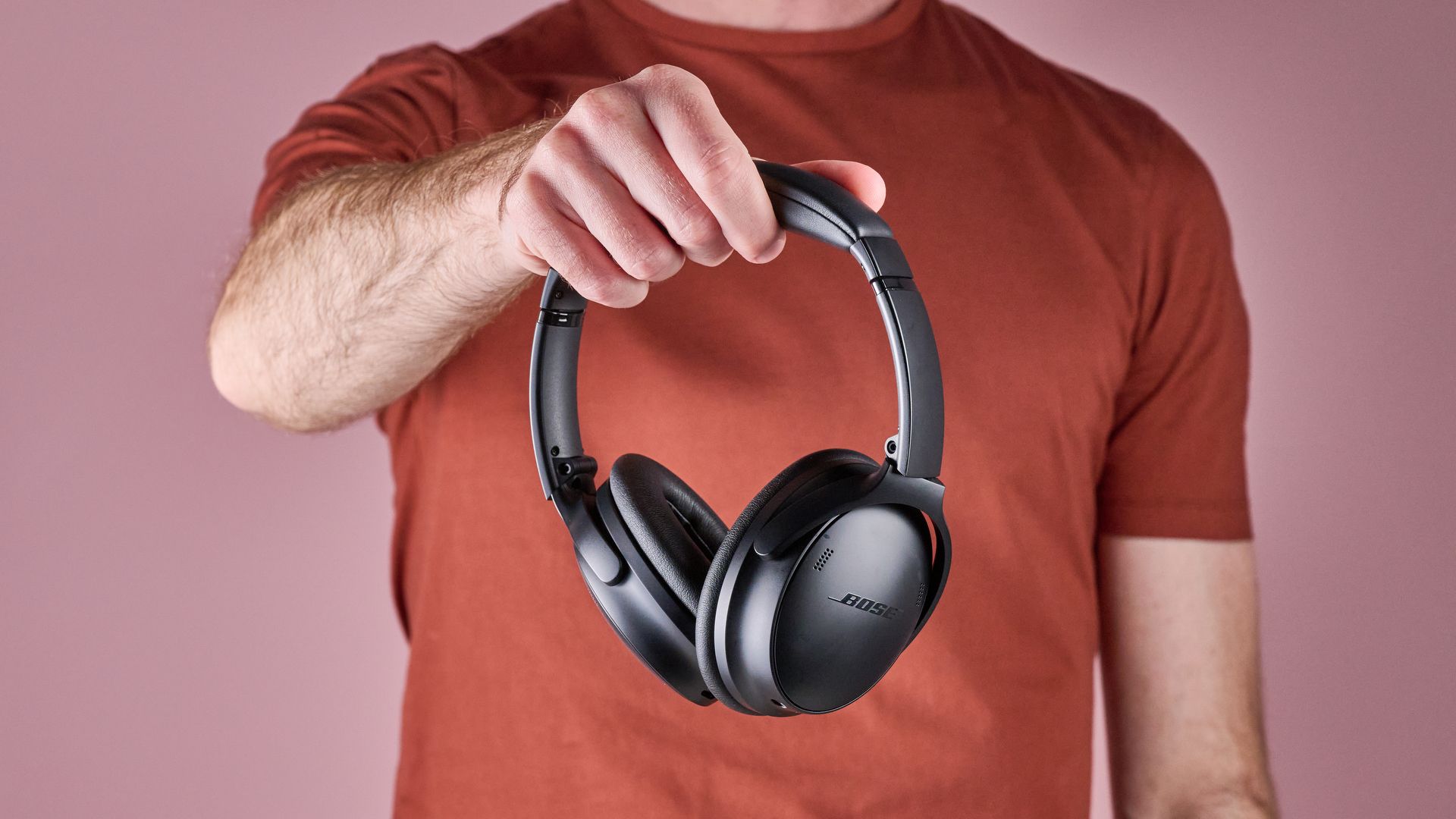
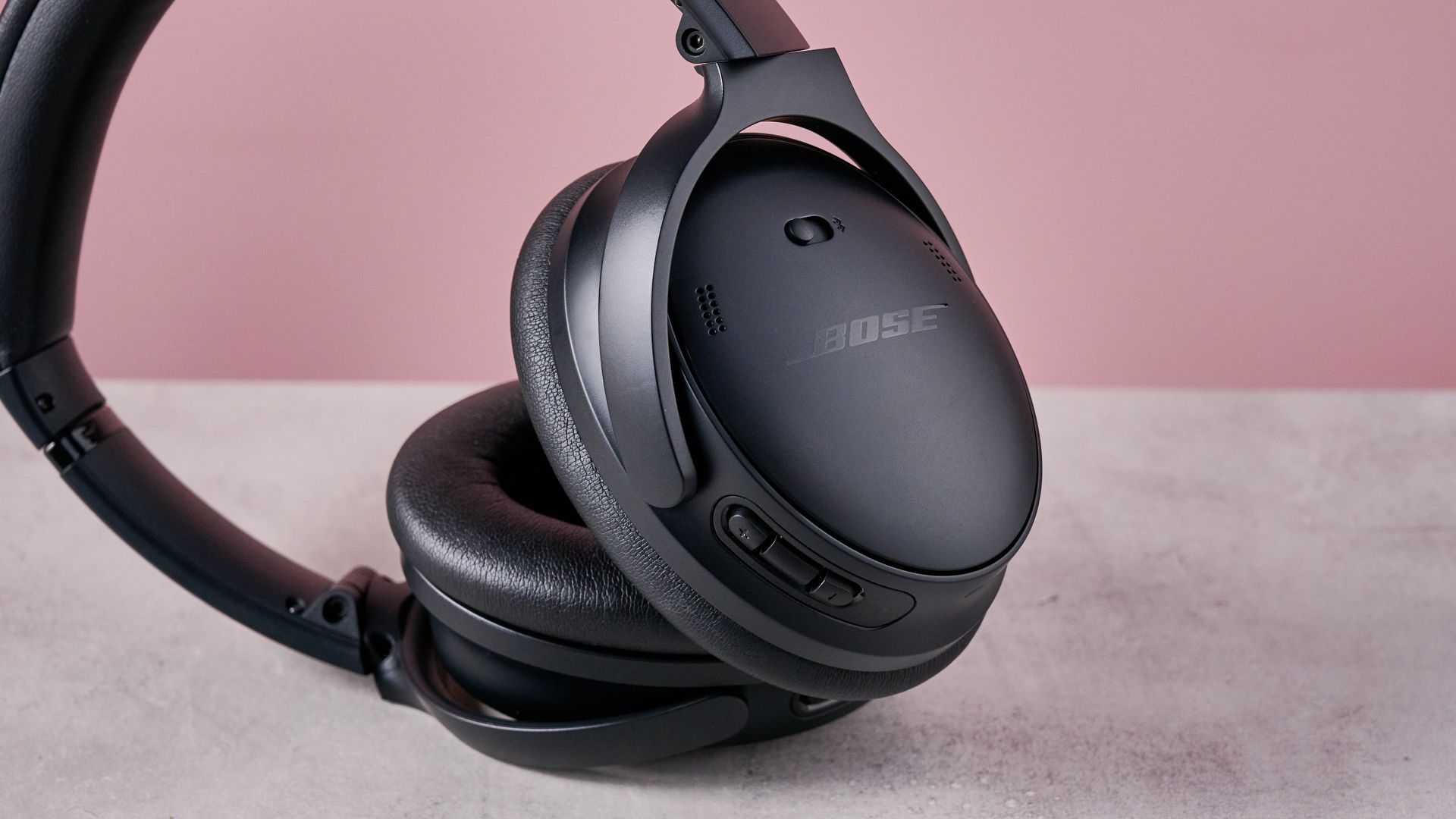
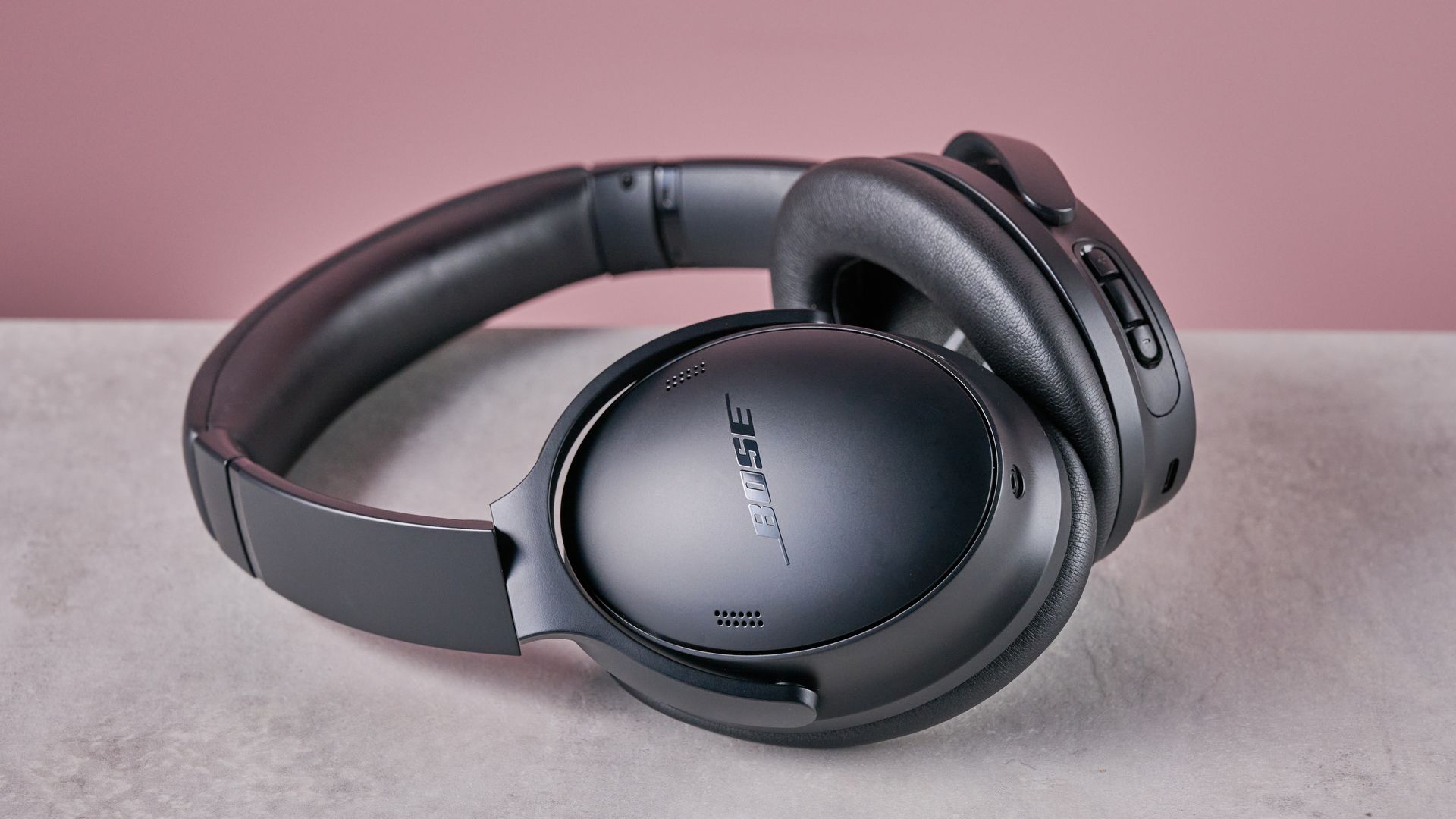
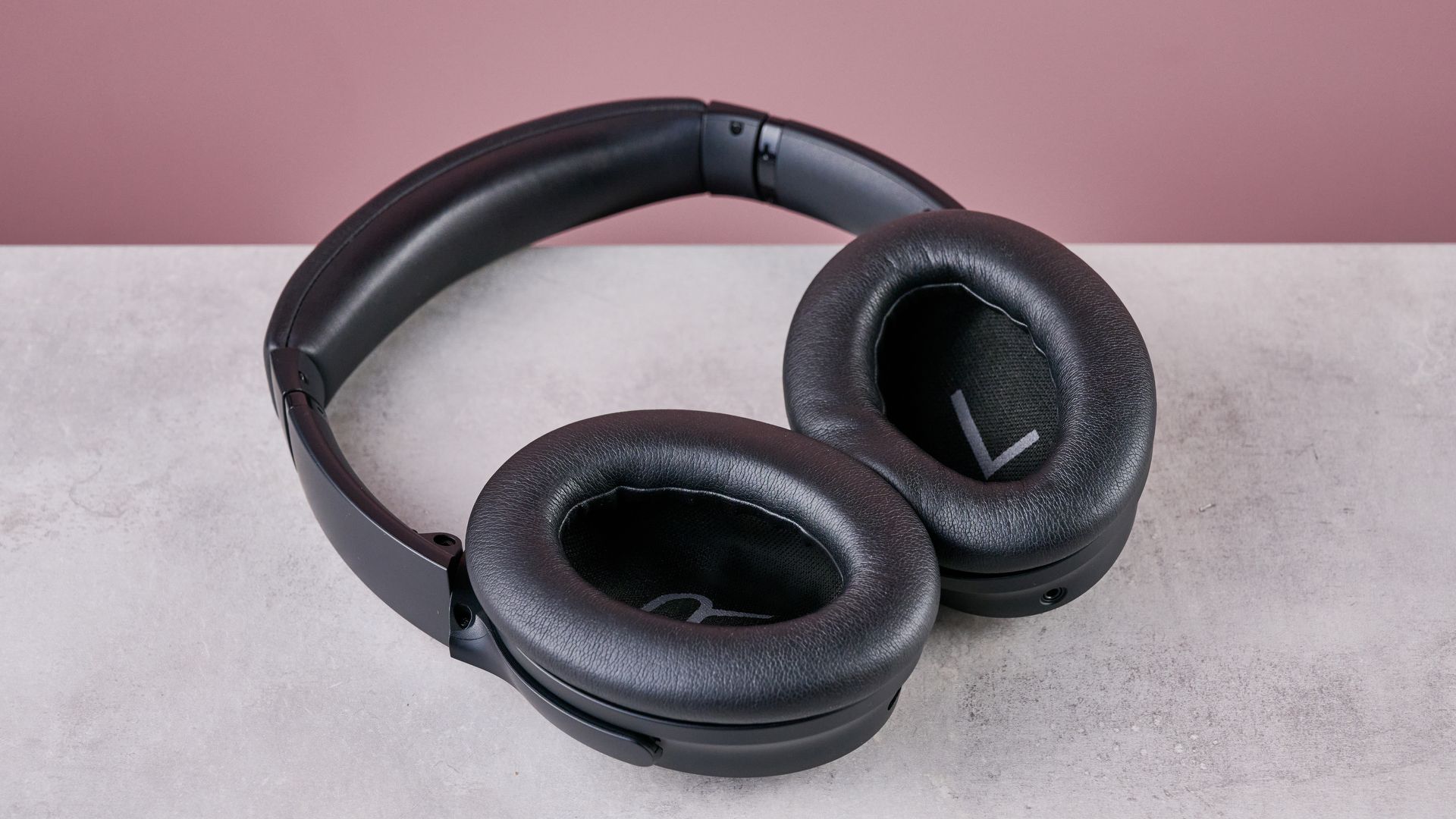
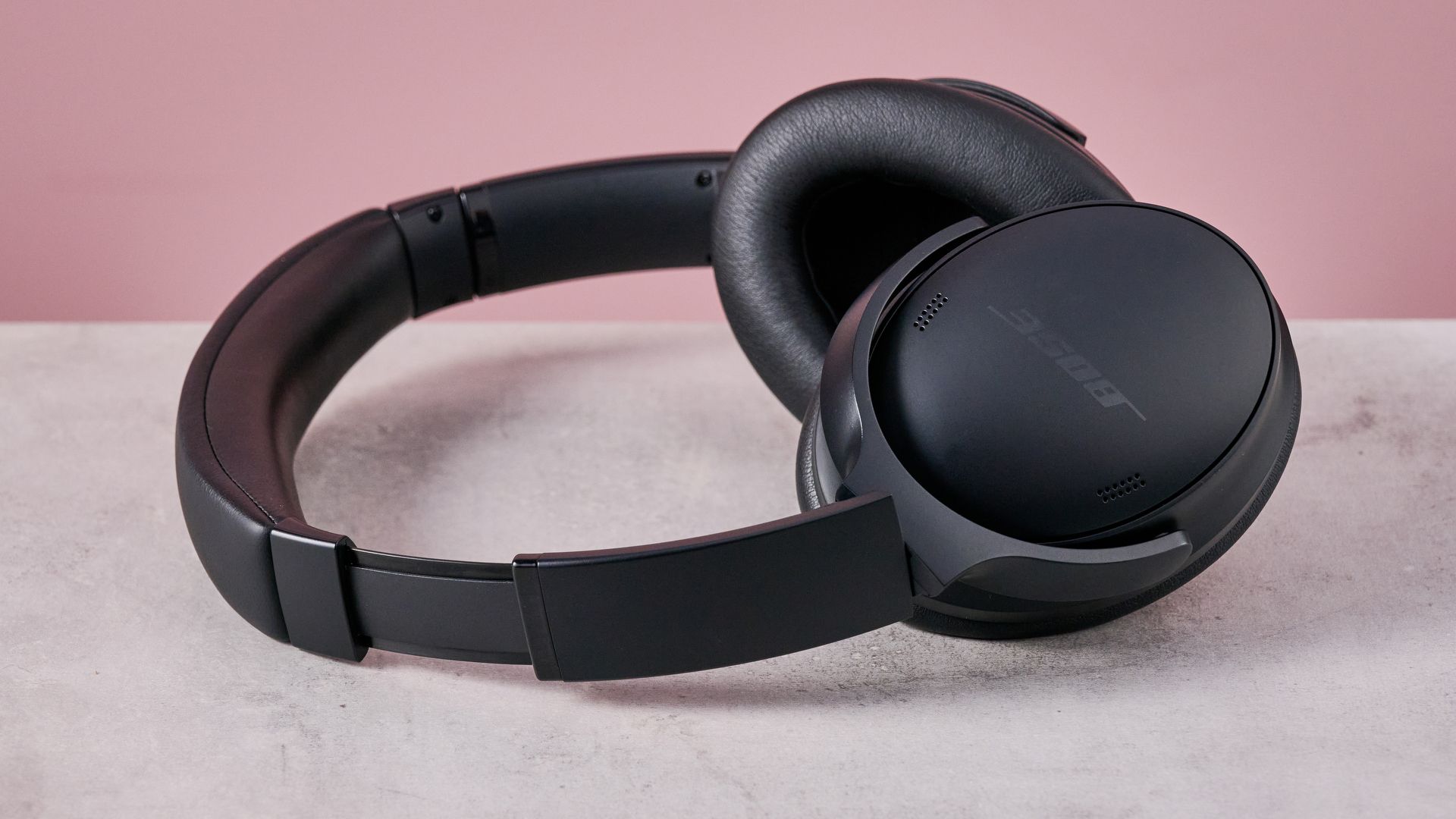
2. Bose QuietComfort Headphones
High-end noise cancellation for a step down in price
Acoustic design: Closed | Weight: 240g | Frequency response: Not listed | Drivers: 40mm | Battery life: 24 hours (ANC on)
Light and very comfortableExcellent noise cancellationEasy to use and controlBelow-average battery lifeMids need a boost in the EQDesign is kind of plainAt full price, the Bose QuietComfort are arguably a little too expensive. But there's no reason to pay full price – having originally been released in 2023, these are now generously discounted throughout the year. I've picked them for an 'under $250' category, but I'm playing it safe there – you will almost certainly find them available for more like $200 / £200 during the sales season.
In my noise-cancellation tests, I scored these only a couple of points lower than far more expensive models, including Bose's own Ultra models, plus the Sony XM6, and the Sonos Ace. In fact, I rated them higher than the pricey AirPods Max when weighting the real-world tests higher. When it comes to the quality of noise cancellation for the price, nothing beats these – especially at a lower sale price.
These headphones pretty much match more premium headphones when it comes to noise cancellation, but it's the sound quality and the design that makes them feel like they're a step down.
They sound good, don't get me wrong – rich bass, strong detail and clear highs all stand out – but there's a thinness to the mids that betrays the fact that these aren't Bose's highest-end offering. I found that you can improve the sound noticeably by playing with the EQ settings in the app and boosting the mids just a couple of points, giving a more well-rounded soundstage. If sound is your focus at this price, I'd steer you towards the Cambridge Audio P100 SE, but their noise cancellation is a step down.
The design, again, isn't bad in any way; it's just more utilitarian than the Bose Ultra, or the Cambridge Audio P100 SE. It's got more seams, and more square edges. This leads them to be superior to fancier sets in some ways, I have to say – for example, the on/off slider is a simpler thing to deal with than a button, and makes it easy to see at a glance if you've left them on – but it still won't excite aesthetes.
Crucially, though, the Bose QuietComfort Headphones are really light and comfortable for long-term use, matching the venerable (and similarly priced) Sony WH-1000XM4 in this regard. The Cambridge P100 SE are among the heaviest here, and are 38% heavier than the Bose, and so to keep stable and comfortable they use a much stronger clamping force. Some people don't like this (and it tends to affect glasses users like me more than the non-bespectacled), though some don't mind it – I tend to think it makes them more fatiguing for long-term use (such as flights) in particular.
I also prefer headphones that fold up, which is another reason I'd lean towards the Bose or Sony over the Cambridge. And I think the Bose are probably superior to the Sony in every way, even if it's not by a huge margin in some areas. Where it counts though – the noise cancellation – they're undoubtedly better.
The clear downside to these headphones is the 24-hour battery life. Sony's XM4 give you 30 hours, while the Cambridge P100 SE offer a colossal 60 hours. So if you're forgetful when it comes to charging, these may be preferable, since you're less likely to run out of power when you're in the middle of using them.