Wired earbuds feel like they’ve made something of a comeback in the last year or so. Mainly, I feel like this comes down to their retro aesthetic, but they also provide lossless audio — something that their Bluetooth rivals can’t provide.
With Black Friday fast-approaching, then, I thought it would be fun to take a look at some of the best wired earbuds I’ve tested lately to help you find a great pair that may just find itself discounted.
I’ve spent a couple of days testing four models against one another, assessing them in areas including design and comfort, features and connectivity, and, of course, sound quality. Each model will be ranked from 1st down to 4th in each section, before being placed into an overall ranking table.
Interested to see who comes out on top? Then make sure to read till the end! But first: allow me to introduce our contestants.
Meet the contestants
Price
$149.99 / £99 / AU$199
$99 / £99 (about AU$140)
$149.95 / £129.99 / AU$239.95
$39.95 / £34.99 (about AU$57)
Drivers
11mm dynamic
1x 8mm dynamic, 2x 6mm dynamic, 2x balanced armature
7mm dynamic
9.7mm dynamic
Weight
3g (per bud)
5g (per bud)
4g (per bud)
15g (total)
Frequency range
5Hz-20kHz
20Hz-20kHz
6Hz-20kHz
17Hz-20kHz
Connectivity
3.5mm
3.5mm, 4.4mm, USB-C
3.5mm
USB-C
Design and comfort
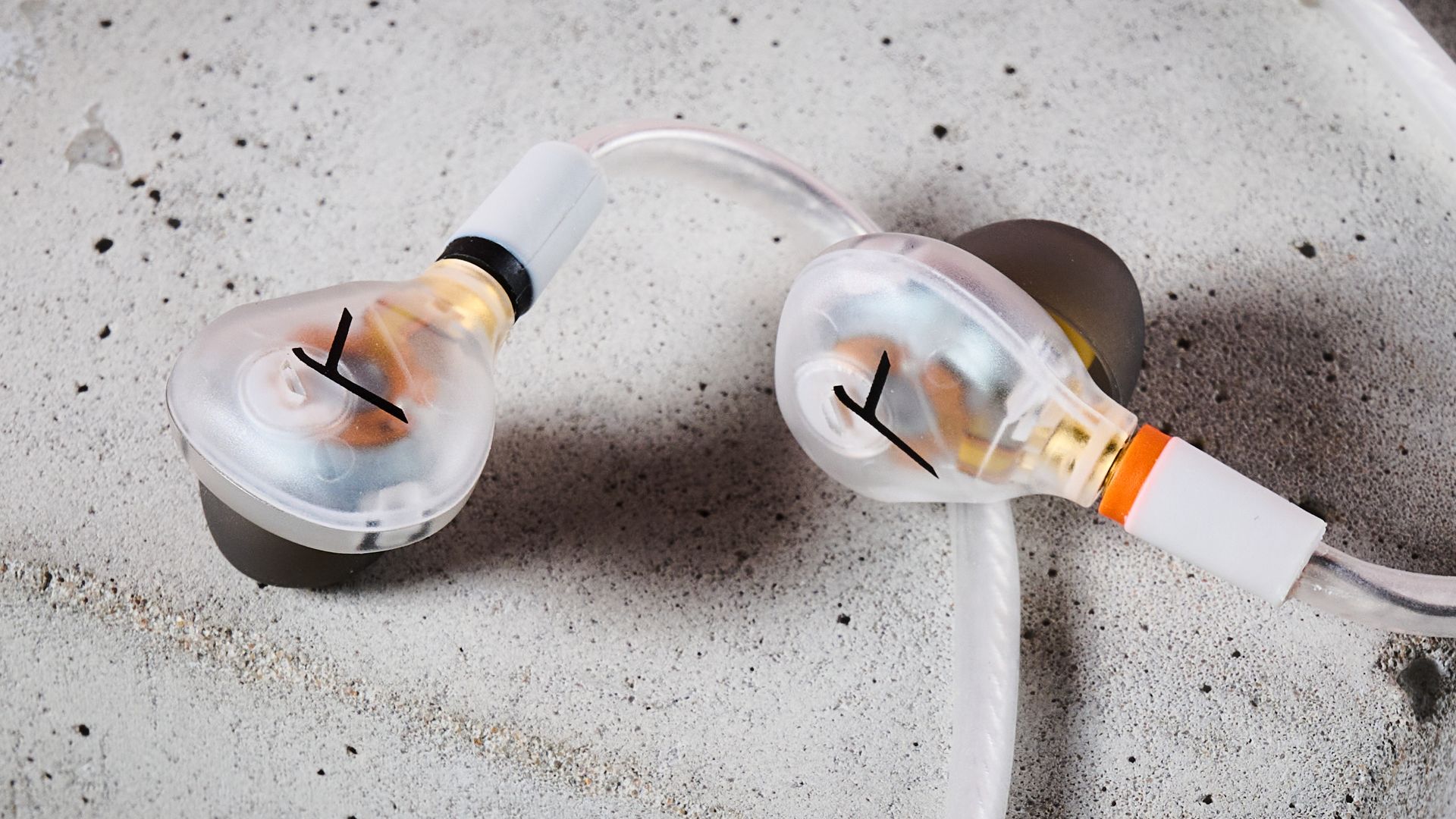
While I think all of these models have their merits in terms of design, not all of them are created equal. Here are the winners and losers when it comes to aesthetics, usability, and comfort.
Beyerdynamic DT 30 IE
The good: The DT 30 IE are extremely lightweight, coming in at just 3g per bud. The buds themselves are also very small, making them feel pretty seamless in use — sometimes I even forgot I was wearing them. Yes, they’re pretty comfortable, and if you have smaller ears, they’ll suit you perfectly.
Something else I like is their cable, which is built to a great standard, makes next to no noise in-use, and has easy to bend earhooks. It looks stylish too, with neat orange and white accents. The DT 30 IE also come with a tidy little carrying case for your earbuds, cables, and eartips.
The bad: My issue with the DT 30 IE is mainly a visual one. To be honest, they look a bit cheap, with the translucent casing on the buds having a plasticky look that doesn’t quite exude the sense of premium that some similarly priced rivals do. Otherwise, all good!
Activo Scoop
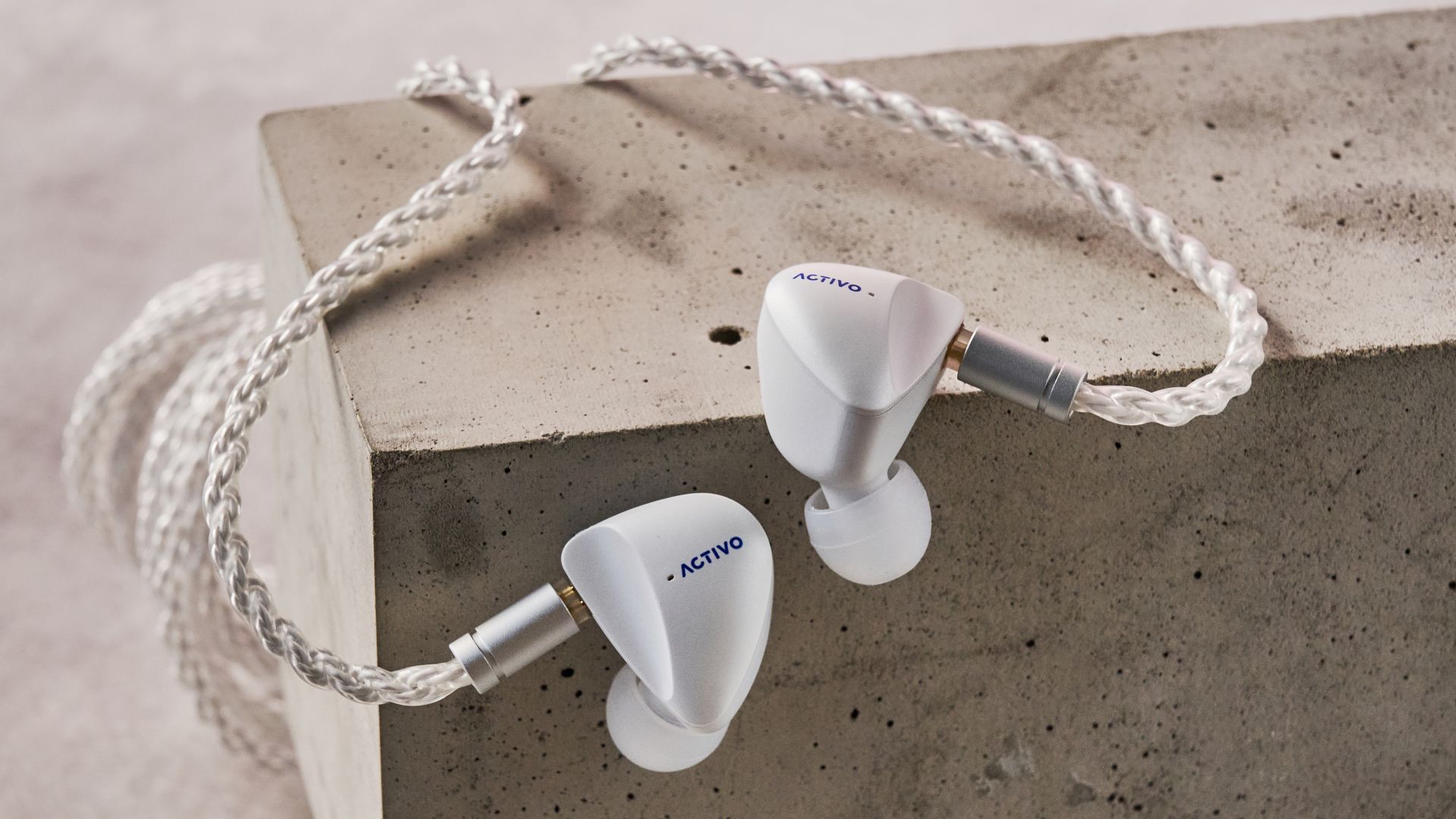
The good: If we’re talking about sheer looks, the Activo Scoop are probably the best option in this lineup. They’re inspired by a pebble, having the smooth, rounded and sculpted look you’d associate with that, and their polished white finish is beautiful.
I also found that they subjected me to little in the way of cable noise, and their rounded case has plentiful space for your buds and accessories. The build quality on offer is strong across the board too, with a durable cable and premium buds to match.
The bad: While the Scoop aren’t exactly uncomfortable to wear, they are far, far chunkier than their rivals, and I felt far more aware of them in-use. They still sit snugly in-ear, and don’t look too prominent, but they just don’t have that all-day comfort that the Beyerdynamic DT 30 IE provide.
Sennheiser IE 200
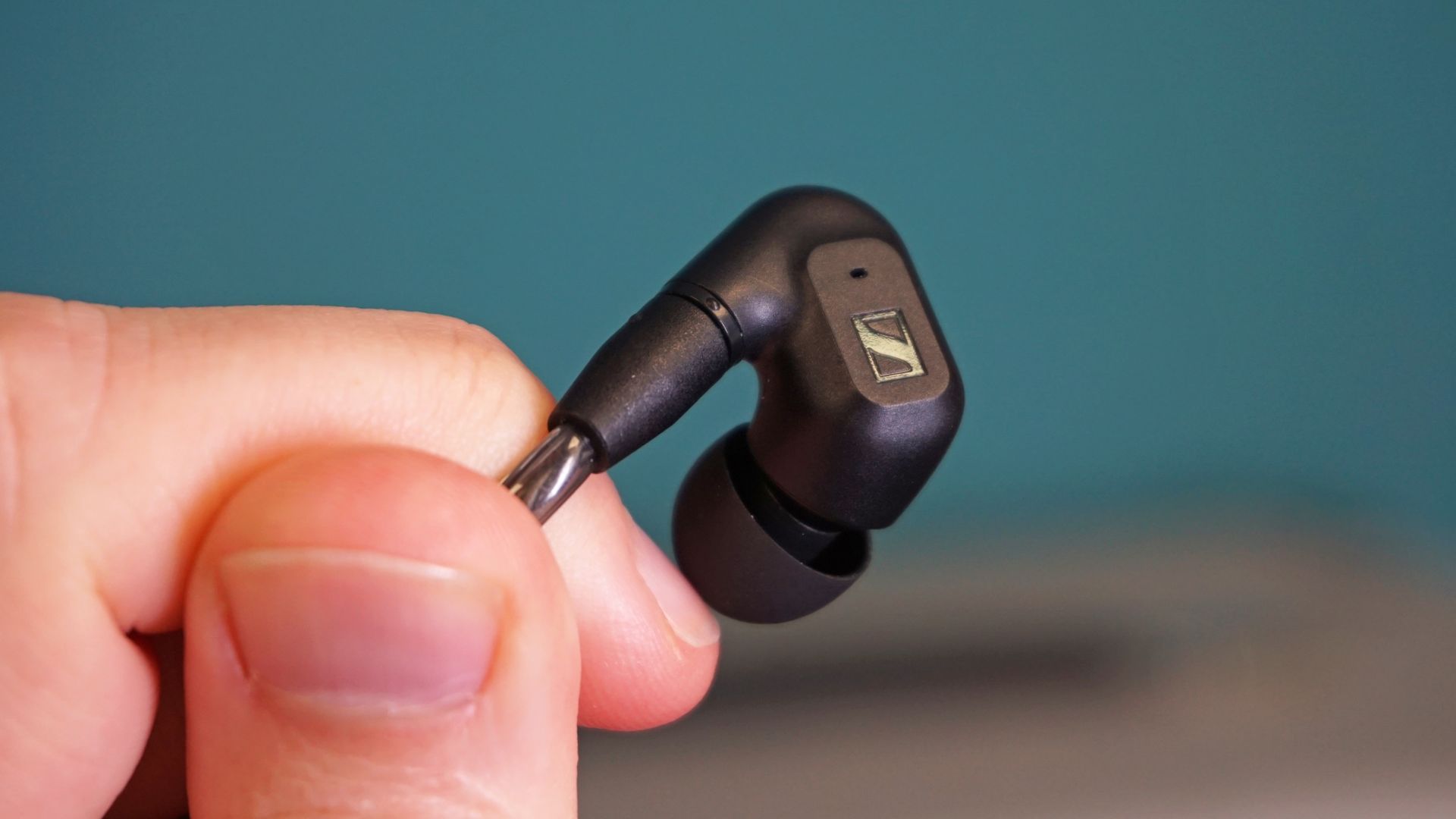
The good: Like the DT 30 IE, the Sennheiser IE 200 are ultra-lightweight at just 4g per bud. They also fit so snugly in the ear, making them exceptionally comfortable to use for hours on end.
The overall aesthetic of these is pretty great too. They look incredibly discreet when you’re wearing them, but have a design that seems more premium than it is, with a stylish braided cable and neat blue and red accents on the earhooks.
The bad: You may argue that the cable is a little bit slight, and not as well protected as the DT 30 IE’s, but I personally love the look and feel of it, and have experienced no wear or tear after more than two years of use.
Sennheiser CX 80U
The good: Considering their low asking price, the Sennheiser CX 80U look fantastic. They have gorgeous silver details on the buds, a well made USB-C connector, and a rounded appearance that looks so suave.
In use, they’re nice and comfortable too, and with a total weight of 15g, it never feels like they’re fatiguing to wear, even for longer listening sessions.
The bad: I’d argue that the controller, which houses the CX 80U’s mic, looks pretty plasticky and lower in quality than the earbuds themselves. I also think the tighter-fitting DT 30 IE and IE 200 feel a bit more secure for when you’re on the move or performing.
Design and comfort rankingEarbuds
Rank
Beyerdynamic DT 30 IE
2nd
Activo Scoop
4th
Sennheiser IE 200
1st
Sennheiser CX 80U
3rd
Features and connectivity
Wired earbuds may not be known for being particularly feature-rich, but some of the models on this list have more to offer than you may expect.
Beyerdynamic DT 30 IE
The good: The DT 30 IE offer pretty solid noise isolation, with a number of different-sized eartips to help you find the perfect seal. According to Beyerdynamic, they offer passive cancellation up to -39dB, which isn’t bad by any means and ideal for zoning in during a live performance, for instance.
They also have an IP54 rating, meaning they’re dust-resistant and can cope with a bit of sweat or light rain without issue. These buds have a 3.5mm connector, so can be used across a range of source devices, though not the bulk of modern smartphones. The cable is detachable, though, so you could add an aftermarket alternative in the case of damage.
The bad: Unlike the Activo Scoop, the DT 30 IE only come with a single connector out of the box — there’s no USB-C or 4.4mm adapter. They also don’t have an in-line controller on the cable — while this isn't uncommon for IEMs, some do still have one. Also while found the passive noise isolation to be decent, it’s not the best I’ve experienced — though grabbing some foam eartips could really help in that regard.
Activo Scoop
The good: The Activo Scoop are an extremely versatile set of IEMs for the price. My favorite feature is their interchangeable connector, with 3.5mm, 4.4mm, and USB-C available, meaning you can use them with just about any device out there for either casual or critical listening.
These offer slightly better passive noise isolation than the DT 30 IE, with both silicone and foam eartips at your disposal. You also get the detachable cable, which some may appreciate given the sheer bulk of the interwoven wires these come with.
The bad: These earbuds skip on an in-line controller too, so you’ll need to use your source device to control media playback. The Scoop also skip on an IP rating, but otherwise I don’t have a bad word to say about them.
Sennheiser IE 200
The good: The Sennheiser IE 200 are dual-tunable, with a standard and outer configuration. In the outer position, the treble catches a bit more of the limelight, especially at the very highest of frequencies, whereas the bass is dialed down compared to the standard position. While I almost always stick with the standard option, this is a pretty thoughtful and unique feature.
In addition, you get a few eartips to choose from, the cable is detachable and replaceable, and the passive noise isolation isn’t half bad either.
The bad: Like the DT 30 IE, the Sennheiser IE 200 use a 3.5mm connector and don’t offer any adapters to help you switch things up. You could buy this separately of course, but it’s worth flagging that the Activo Scoop provide more versatility. There’s also no IP rating, and while Sennheiser sells a cable with volume controls and a microphone built-in, the one bundled in doesn’t have this.
Sennheiser CX 80U
The good: The Sennheiser CX 80U have a certain advantage here, due to the fact that they’re more oriented towards casual use than their rivals.
They have a USB-C connector for use with modern smartphones, tablets, and laptops, they have a built-in mic, and a button for pausing tunes or taking calls. I was surprised by just how effective their passive noise isolation was too, and you can cycle between small, medium, or large eartips to find the right fit.
The bad: While it’s always nice to get a mic on affordable earbuds like this, it’s not the best one I’ve tried at this price-point. I found that there was some noticeable static when taking a recording, and while the mic isn’t bad, it’s just nothing special. I was also confused over the decision to leave volume controls out — I always like to use these to make adjustments when I’m on the move. I would’ve given the CX 80U a five-star rating if it wasn’t for these small issues, but they still have a very solid feature-set overall.
Features and connectivity rankingEarbuds
Rank
Beyerdynamic DT 30 IE
4th
Activo Scoop
2nd
Sennheiser IE 200
3rd
Sennheiser CX 80U
1st
Sound quality
OK, here’s what you’ve been waiting for: the listening test results. And when I say that the results here shocked me, I well and truly mean it.
I played three tracks on the same source device, using Tidal to enjoy high-res audio. And all of the earbuds plated up distinctly different sound.
Track 1, Dsco by Sweet Trip, is a busy electronic tune with a lot going on, and I used it to assess instrument separation, soundstaging, and detailing. Track 2, Pobre de quem by Carlos Dafé, is a softer, more laid-back track with an emotive vocal performance and helped me judge mid-range clarity and balance across the frequency range. And Track 3, Fantasy Island by Lucas Alexander, Joey Rich, and EVA, is a house tune that was ideal for testing low-end performance and treble articulation.
So, here’s how our contestants got on…
Beyerdynamic DT 30 IE
The good: The Beyerdynamic go for a more neutral approach, which is typical of IEMs. This is ideal for anyone that wants an insightful listen without any clear and obvious preference towards a specific section of the frequency range.
This even-handed approach was a nice fit for Track 1, where there were a lot of elements contending in the mix, be that crunchy guitars, intertwining vocals, deep bass, or energetic drums. But the DT 30 IE managed all of these well, with each instrument sounding clear and relatively well defined in the mix.
Similarly, in Track 2, vocals were clear, bass was clean and nicely balanced, and the dynamism of the intro was striking. All in all, the DT 30 IE put up a cohesive performance, and if you want more of a ‘flat’ EQ curve from your earbuds, they could be a good fit for you.
The bad: If there’s one thing I’d criticize about the DT 30 IE, it’s that they lack the openness and detail of some rivals. In fact, in Track 1, I felt that the overall sound from these buds seemed compressed, lacking the natural and detailed edge of the Sennheiser IE 200, for instance.
Track 3 was where the DT 30 IE struggled the most, with the vocals lacking the presence or definition I was hoping for, and bass just short of the full-sounding power I heard from other models. It’s also worth noting that I didn’t find the DT 30 IE to sound all too expansive, though some may prefer a tighter sound. These buds are by no means bad, but they struggled to stand out among their rivals.
Activo Scoop
The good: The Activo Scoop place a large emphasis on treble — perhaps unsurprising given that they’re configured with two balanced armature drivers. But they offer pretty good performance right across the board, which was showcased perfectly with Track 3 — where the Scoop easily gave their best performance.
Here, the IEMs served up sparkling and precise treble, clear mids, and surprisingly weighty bass, while still retaining the agility required to maintain the energetic vibe of the tune. They put on a good show with Track 2 as well, where I was impressed by their controlled yet textured low-end and clean replication of vocals.
In Track 1, the Scoop offered expertly separated electric guitars in the left channel, offering more nuance than most of its rivals. But unfortunately, this song didn’t exactly show the Scoop in their best light overall…