An IP address won’t hand over your passwords, but it can give attackers somewhere to aim
In November 2021, Twitch streamer xQc lost his internet connection shortly after playing "Crab Game." The game's developer then warned streamers to avoid public lobbies after discovering that the game could expose players' IP addresses to distributed denial-of-service (DDoS) attacks. Although xQc couldn't confirm an attack caused that specific outage, the developer soon switched to newer Steam networking to hide IP addresses.
IP addresses basically help route data to and from websites and games. Now, most home routers let multiple devices share one public IPv4 address, while IPv6 can give each device its own public-facing address. But before you pull out the tinfoil hat, understand that neither type of IP address gives someone access to your passwords or personal data. However, both can give a hacker a target to aim at, and that's enough to raise an eyebrow.
What can a hacker actually do with your IP address?
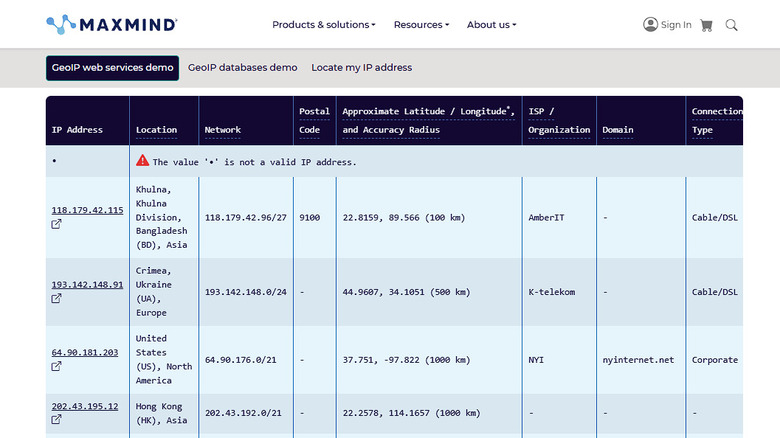
An IP lookup is a quick way to reveal your internet service provider and approximate city or region. Back in 2016, a Kansas family sued MaxMind after its database mapped approximately 650 million unrelated IP addresses to their farm, prompting repeated law enforcement visits over incidents involving people elsewhere.
A typical DDoS attack floods a target with traffic from multiple sources. It's the same kind of attack Bluesky blamed for its server outages, and on a smaller scale, it could interrupt gaming sessions, video calls, or even an entire household internet connection. A firewall may offer little help once the internet connection is overwhelmed.
To access a device, an attacker needs a way in, such as an exposed security camera, remote-access software with a security flaw, or a home server with weak password protection. IPv4 port forwarding or permissive IPv6 firewall settings can expose those services.
Some IPv6 addresses are used only within local or private networks. Temporary IPv6 addresses can change over time, making individual devices harder to track, although devices on the same home network may still share a recognizable address prefix.
Is IPv6 riskier than IPv4 if a hacker has your IP address?
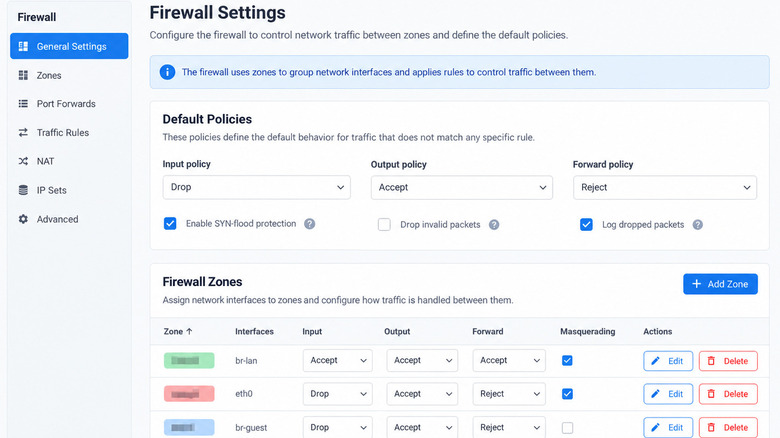
IPv6 can give devices their own public IP addresses, which sounds riskier than it is. A properly configured router firewall can still block unsolicited connections while allowing responses to traffic initiated from inside your network.
An OpenWrt user on Reddit turned on IPv6, tested their home server remotely, and discovered that their remote-access and file-sharing ports were reachable from outside the network. Their firewall had been set to allow forwarding, and changing that setting to reject closed the opening.
In October 2026, Microsoft disclosed CVE-2026-105016, a critical vulnerability in its QUIC implementation. It could allow specially crafted IPv6 traffic to execute code in affected .NET applications on Windows. Microsoft's advisory hasn't mentioned whether attackers had exploited the flaw.
So rather than disabling IPv6 altogether, check your router's firewall settings for both protocols, remove unnecessary remote-access rules, and install security updates. Microsoft mentions that turning off IPv6 could result in problems with some of the Windows components. And while a VPN can hide your usual public IP address from websites if it handles both IPv4 and IPv6 traffic correctly, it isn't going to patch vulnerable software. It's also worth checking that your VPN is working before you rely on it.