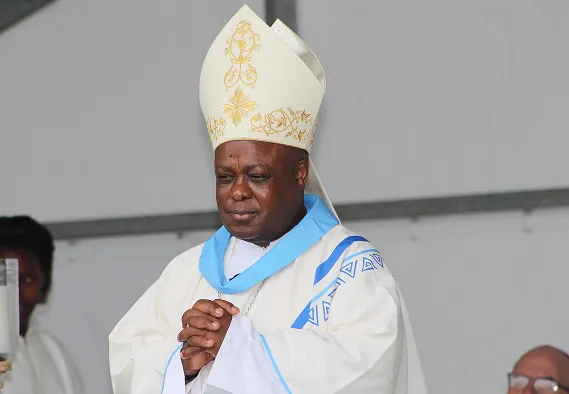
Archbishop Abel Gabuza, who succumbed to Covid-19 in 2021 before he could take up his position as the Archbishop of Durban was passionate about inequality, corruption and social justice.
Image: Southern African Catholics Bishops Conference
South Africa's Constitution promises equality, dignity and justice for all. Yet, for thousands of people who turn to the state for protection against violence, abuse and discrimination, those promises remain frustratingly out of reach.
Worse still, some encounter further humiliation and victimisation from the very institutions entrusted with protecting them.
It is this troubling contradiction that political economist, broadcaster and social commentator Nco Dube will confront when he delivers the 2026 Archbishop Denis Hurley-Archbishop Abel Gabuza Memorial Lecture in Durban today.
Under the theme, Law and Justice – Victims Deserve Justice, Not Victimisation, Dube will examine the widening gap between South Africa's progressive constitutional framework and the lived experiences of people whose rights and dignity are routinely compromised.
His address comes as the country continues to grapple with gender-based violence and femicide (GBVF), hostility towards foreign nationals and declining public confidence in institutions responsible for upholding the rule of law.
At the heart of his argument is a fundamental question: what is the value of having some of the world's most progressive laws when those who need their protection most cannot access justice?
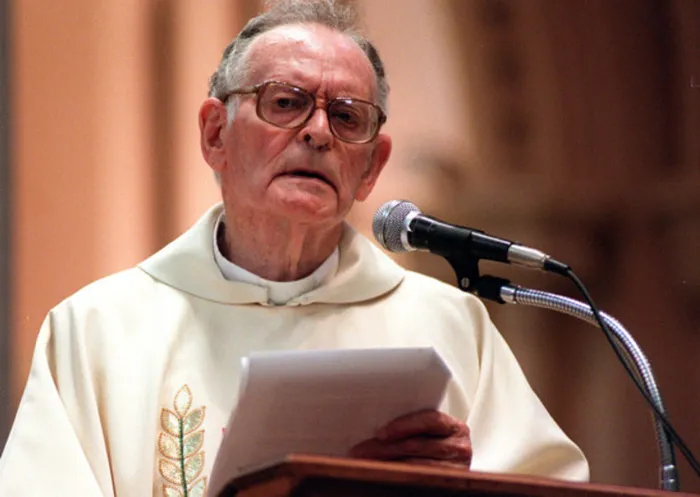
Roman Catholic archbishop Denis Hurley denounced apartheid as blasphemy. Archbishop Denis Hurley who denounced apartheid as blasphemy.
The lecture, organised by the Justice, Peace and Development Commission, will pay particular attention to the treatment of GBVF survivors, who often encounter indifference, lengthy delays, disbelief and inadequate support when reporting abuse or seeking protection.
"For many, the ordeal does not end with the violence they have suffered. Their encounters with the criminal justice system can compound their trauma, leaving them feeling abandoned by institutions that should be on their side.
"This secondary victimisation raises uncomfortable questions about the effectiveness of policing, prosecution and victim support, and whether the needs of survivors are receiving the attention they deserve.
"The treatment of foreign nationals presents another test of South Africa's commitment to constitutional democracy," said Dube.
The political economist said while the state has a legitimate responsibility to manage immigration, enforce its laws and secure its borders, administrative failures cannot justify xenophobic intimidation, discrimination or vigilante violence.
"Frustration over undocumented migration, pressure on public services and competition for economic opportunities cannot become a licence to strip other human beings of their dignity and fundamental rights," said Dube.
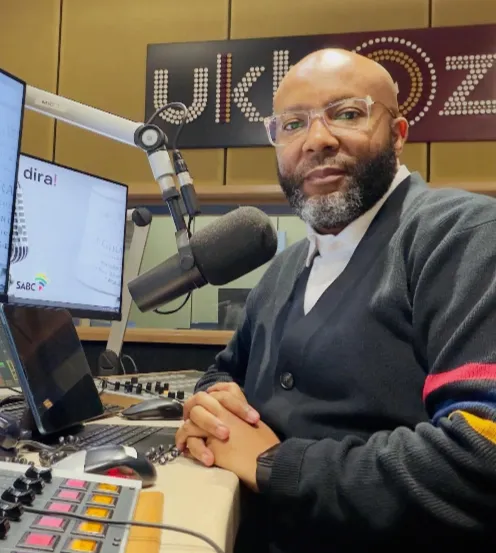
Political economist and social commentator Nco Dube who will deliver the Hurley-Gabuza lecture.
The distinction between lawful immigration enforcement and unlawful discrimination will be central to Dube's argument. A state that fails to enforce its laws effectively cannot transfer that responsibility to mobs or allow citizens to become judges and enforcers outside the law.
The subject also speaks to the legacies of the two Catholic archbishops whose names the lecture carries.
Archbishop Denis Hurley was among South Africa's most outspoken religious opponents of apartheid, which he denounced as blasphemous. He consistently challenged racial discrimination and defended human rights, often at considerable personal and institutional risk.
His conviction that human dignity was indivisible and that religious institutions had a responsibility to confront injustice made him one of the country's most consequential moral voices.
Archbishop Abel Gabuza, who died in January 2021 before taking up his appointment as Archbishop of Durban, continued the Catholic Church's tradition of engagement with poverty, inequality, corruption and social justice.
Their shared commitment to human dignity and accountability provides a compelling moral framework for examining contemporary South Africa.
The lecture will also question whether religious institutions and civil society are doing enough to confront injustice, challenge institutional failures and defend people whose rights are routinely violated.
Dube, who contributes analysis to SABC radio platforms, including Ukhozi FM and SAfm, and writes for newspapers within the National Media Group and IOL, has established himself as a commentator on governance, constitutional democracy and the country's political and social development.
His address comes at a time when corruption, administrative failures and inadequate service delivery continue to erode public confidence in state institutions. In KwaZulu-Natal, a changing political landscape, persistent poverty and the province's history of political violence make questions of accountability and social cohesion particularly pertinent.
Ultimately, the lecture will challenge political leaders, religious institutions and ordinary citizens to consider whether South Africa's constitutional promises are translating into meaningful protection for its most vulnerable people and comes just in time as the Electoral Commission of South Africa is wrapping up the final count of the local government election.
Dube joins a distinguished list of luminaries who have delivered the Hurley lecture, including former deputy president Phumzile Mlambo-Ngcuka, the late political analyst Protas Madlala, former Cabinet minister Jeff Radebe, Fr Peter-John Pearson, director of the Catholic Parliamentary Liaison Office, Catholic writer and scholar Dr Siphiwe Mkhize. The list also includes Archbishop Stephen Brislin, then Archbishop of Cape Town, who delivered the first relaunched joint Hurley-Gabuza Memorial Lecture and renowned epidemiologist Professor Salim Abdool Karim who followed after.