The Youth Justice Board's (YJB) response to the publication of the Children’s Commissioner for England's plan to transform education in Young Offender Institutions (YOIs).
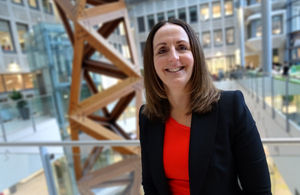
Stephanie Roberts-Bibby, Chief Executive of the YJB.
Stephanie Roberts-Bibby, Chief Executive of the YJB.
On 23 November, the Children’s Commissioner for England published The Children’s Commissioner’s plan to transform education in Young Offender Institutions (YOIs).
Stephanie Roberts-Bibby, Chief Executive of the YJB, said:
The Youth Justice Board (YJB) welcomes the Children’s Commissioner’s report and its clear recognition that too many children in custody are being failed by its education system.
Children do not lose their right to education when they lose their liberty. For many, custody follows years of disrupted schooling, exclusion and unmet needs and custody should come with an opportunity to break that cycle, not deepen the disadvantage they have already experienced.
The findings underline the need for fundamental change. Children cannot learn effectively when they feel unsafe, spend prolonged periods locked in their cells or are prevented from attending lessons because of restrictive arrangements, including keep-apart orders. These are systemic issues that require a coordinated response across the whole youth custodial estate, and those who meet the ongoing needs of children both within custody and the community.
We support the ambition to move towards smaller, therapeutic settings where children’s safety, development and education are central to the way custody operates. The YJB has long advised government of the evidence supporting smaller, geographically dispersed facilities, with appropriately trained staff who can respond effectively to children’s complex needs.
The London Accommodation Pathfinder, which is funded by the YJB, is grounded in the evidence that children are more likely to move away from offending when they are supported to develop their strengths, build positive relationships and see a future beyond the justice system. High-quality education is fundamental to this ambition.
Education in custody must be more than an entitlement on paper. It must be a meaningful opportunity to change a child’s future. Getting this right is not only in the interests of children, but of victims and the wider public, because helping children move away from offending makes communities safer.