Myanmar says it will take “appropriate” steps but will not follow ICJ requirements it deems inappropriate after the court finds the state committed genocide against Rohingya.
Myanmar President Min Aung Hlaing waves as he leaves after delivering a speech at the Union Parliament in Naypyitaw, Myanmar, on Nov 18, 2026. (Photo: AP/Aung Shine Oo)
Myanmar President Min Aung Hlaing waves as he leaves after delivering a speech at the Union Parliament in Naypyitaw, Myanmar, on Nov 18, 2026. (Photo: AP/Aung Shine Oo)
YANGON: Myanmar leader Min Aung Hlaing said his government would not comply with "inappropriate" aspects of a UN court ruling that the state committed genocide against its Rohingya minority, state media said on Thursday (Nov 26).
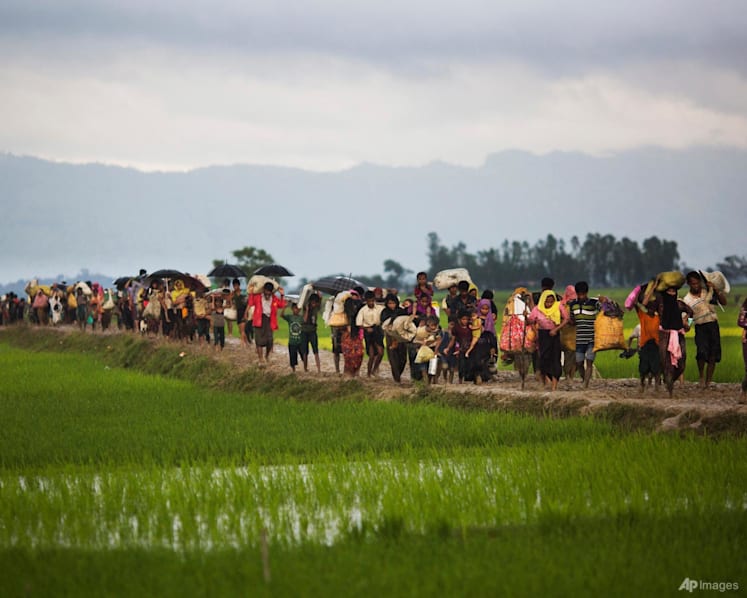
The International Court of Justice (ICJ) last week delivered a searing guilty verdict, finding Myanmar forces systematically killed, raped and destroyed property of civilians from the mostly Muslim Rohingya during a 2017 crackdown in western Rakhine state.
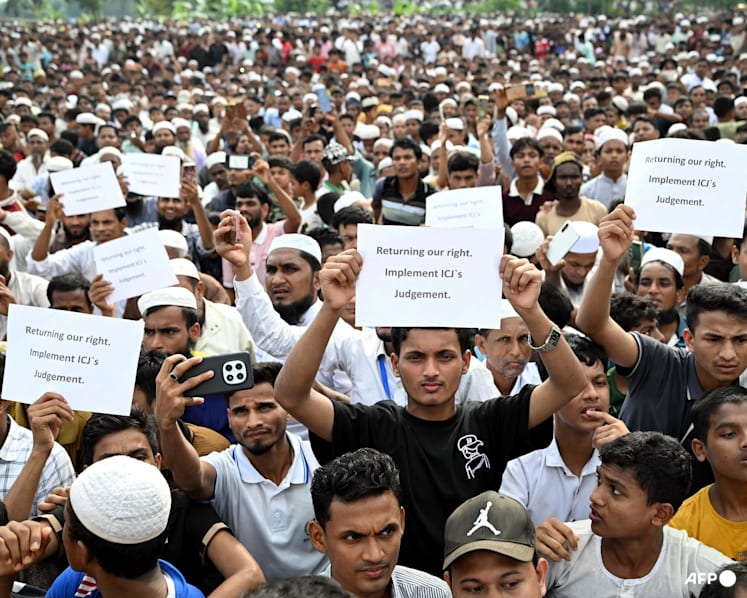
It ordered Myanmar authorities to prosecute and punish anyone suspected of perpetrating genocide, compensate survivors and facilitate safe passage home for refugees - more than 700,000 of whom fled to Bangladesh.
Speaking during a meeting Wednesday, coup leader Min Aung Hlaing said "Myanmar would take the actions appropriate for a responsible country but would not comply with requirements it considered inappropriate", state media said.
CNA Games
 Guess Word
Crack the word, one row at a time
 Buzzword
Create words using the given letters
 Mini Sudoku
Tiny puzzle, mighty brain teaser
 Mini Crossword
Small grid, big challenge
 Word Search
Spot as many words as you can
Show More
Show Less
The ex-general commanded the military during the Rohingya crackdown before ousting the elected government of Aung San Suu Kyi in a 2021 coup, triggering an ongoing civil war.
Min Aung Hlaing was installed this year as civilian leader following deeply restricted elections.
In his first publicised comments on the ICJ ruling, which determined state rather than individual responsibility, he called the case a "one-sided accusation" against Myanmar.
He also said the "term 'genocide' had seriously affected the country's reputation", according to the state-run Global New Light of Myanmar.
"As the country's leader, he considered himself primarily responsible for all matters occurring in the country and would not accept any actions that undermined the nation," it added.
While the decisions of the ICJ are binding and cannot be appealed, the court has no way of enforcing its verdicts.
ASEAN's Five-Point Consensus
Following a 2021 military coup, ASEAN has excluded Myanmar from high-level meetings as it has yet to make meaningful progress on the bloc's Five-Point Consensus to end hostilities.
During a meeting in April 2021, all ASEAN leaders reached a consensus about the situation in Myanmar.
First, there shall be immediate cessation of violence in Myanmar and all parties shall exercise utmost restraint.
Second, constructive dialogue among all parties concerned shall commence to seek a peaceful solution in the interests of the people.
Third, a special envoy of the ASEAN chair shall facilitate mediation of the dialogue process, with the assistance of the secretary-general of ASEAN.
Fourth, ASEAN shall provide humanitarian assistance through the AHA Centre.
Fifth, the special envoy and delegation shall visit Myanmar to meet with all parties concerned.
LANDMARK RULING
The ruling was the first in the ICJ's 80-year history in which its judges determined that a state committed genocide.
Myanmar's security forces killed thousands of Rohingya civilians, committed "widespread sexual violence" against women and "extreme violence" against children, the court found.
Rohingya villages were systematically destroyed and replaced with non-Rohingya inhabitants, it said, ruling that the "only reasonable inference" was that Myanmar intended to destroy the population - a key test for genocide.
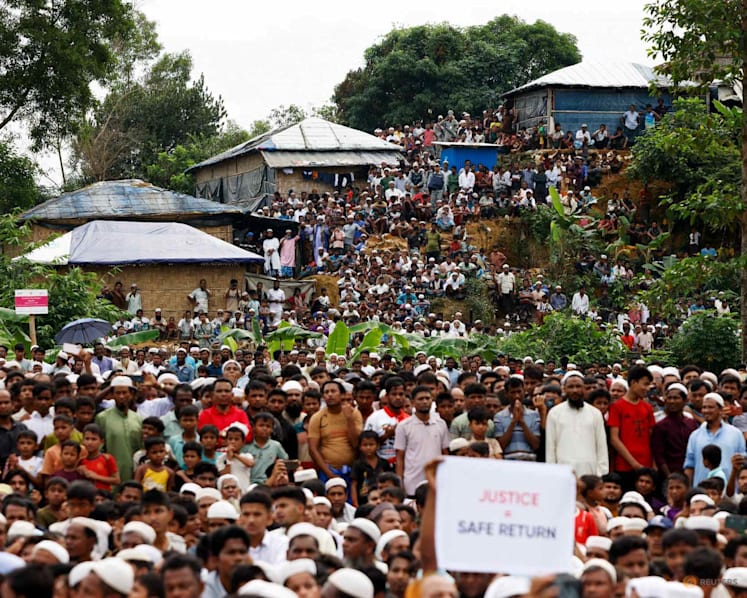
The court ordered several remedies, including that Myanmar authorities must "facilitate the safe, voluntary and dignified return" of refugees displaced either within the country or abroad.
Most of Rakhine state, from where the Rohingya fled, is now controlled by the Arakan Army, an ethnic minority rebel group fighting the military.
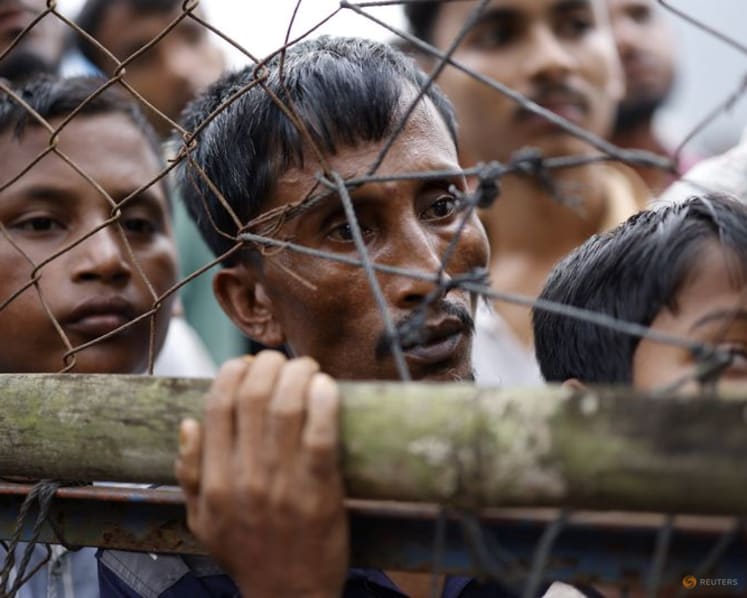
More than one million Rohingya currently live in Cox's Bazar, across the border in neighbouring Bangladesh, now the world's biggest refugee camp.
The court said the Rohingya are entitled to "adequate compensation" for the harms caused by the genocide.
It gave Myanmar two years to set the amount and method of compensation, and will then determine whether the proposal is sufficient.
Authorities must also "return or replace in kind all individual and collective property" that was lost in the crackdown, and offer "physical and psychological rehabilitation", the ICJ ruled.
ORDERED TO INVESTIGATE
Judges told Myanmar it must promptly investigate anyone suspected of committing genocide, noting previous probes into atrocities by state actors were insufficient.
Myanmar has always denied genocide, arguing that its actions targeted an armed insurgency after a series of attacks left a dozen security personnel dead.
But the ICJ ruling dismissed Myanmar's argument that it was carrying out counter-insurgency operations.
On Friday, the Myanmar government described the ICJ decision as unfair and "a great disappointment".
The ICJ case was brought by The Gambia under the 1948 UN Genocide Convention, which allows any state to file suit against another it suspects of breaching the international agreement set up after World War II.
Morning Brief
An automated curation of our top stories to start your day.