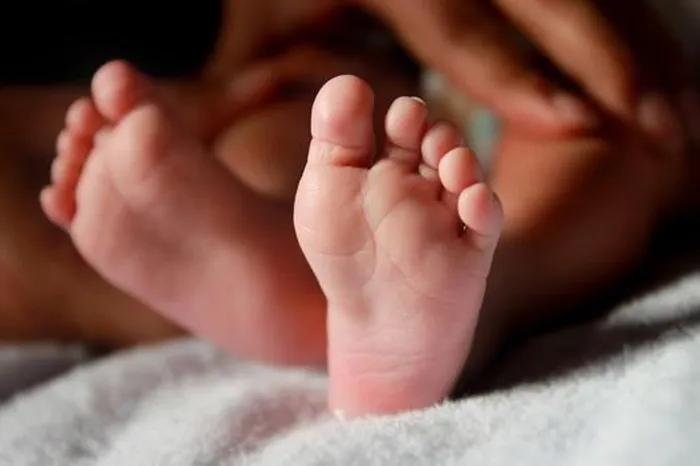
From newborn babies discovered in bushes, rubbish bins and public spaces to older children left without adequate parental care, child abandonment remains a deeply troubling reality confronting communities across KwaZulu-Natal.
From newborn babies discovered in bushes, rubbish bins and public spaces to older children left without adequate parental care, child abandonment remains a troubling reality confronting communities across KwaZulu-Natal.
According to Baby Savers South Africa, a national coalition of non-profit and public benefit organisations that provide a safe alternative to unsafe baby abandonment through a saver, over 10 000 babies are abandoned in South Africa every year, with a vast majority found dead due to unsafe relinquishment methods.
While the discovery of abandoned newborns often makes headlines, organisations warn that the problem extends far beyond these incidents, with older children also bearing the consequences of parental neglect, family breakdown and abandonment.
For newborns, this included baby savers at public hospitals and clinics - but as the last resort.
Tessa Naidoo, deputy chairperson of the Rapid Response Team on gender-based violence in Chatsworth, said finding discarded babies exposed vulnerable lives to unimaginable danger.
“Even one incident is one too many,” said Naidoo.
She said among the contributing causes were poverty, unemployment, unplanned pregnancies, rape, sexual abuse, fear of rejection and social stigma.
“Concealed pregnancies are particularly concerning, as some teenagers and women hide their pregnancies out of shame or fear of exposing what they perceive as a mistake. Young girls and financially dependent women may also feel trapped, so accessible pregnancy counselling, family support and healthcare services are essential. No woman should feel abandonment is her only option.”
Naidoo, also the director of the Hope and Healing Foundation SA, said government needed to invest in teenage pregnancy prevention campaigns, age-appropriate reproductive health education, abstinence education, and family planning.
“Women must also know that parenting support, adoption and temporary safe care are available alternatives when they cannot raise a child themselves.”
She said baby savers could save lives, but must be a last resort.
“Our priority must remain prevention, education and responsible choices. A mother who feels she is unable to raise her baby should approach a child welfare organisation, our offices or recognised child-protection facilities without fear of judgement.
“Dangerous abandonment may constitute a criminal offence, whereas voluntary surrender through appropriate legal procedures provides a safer alternative for both mother and child.
“Our message is simple - prevention is better than cure. A baby saver should be the last safety net, not the first option. Every baby deserves a chance at life, and every mother deserves compassion, care and support,” she said.
Pranashen Pillay, the director of Child Welfare Chatsworth, said that since January they have investigated 23 cases involving abandoned children, ranging from newborns to 14-year-olds. Seven of the cases involved infants.
“About 53 children from previous abandonment cases remain within our long-term statutory caseload, having been placed in alternative care. These figures highlight not only the immediate danger to abandoned children but also the long-term demands placed on the child-protection system,” said Pillay.
While the organisation does not have a baby saver, he said one that was properly regulated could provide a potentially life-saving alternative for mothers who felt unable to care for their newborns.
“We believe baby savers should be considered and expanded where necessary, but they cannot replace prevention and early intervention, particularly where fear, secrecy and stigma prevent mothers from seeking assistance.”
Keresha Govender, the acting vice chairperson of the DSK Group, said they had seen a decrease in the number of abandoned babies on the North Coast over the past year, due to their various programmes held and support offered.
She said however, child abandonment remained a growing concern and does not believe there is a quick-fix solution.
The answer, she said, lies in community and multi-departmental collaboration between religious organisations, institutes of learning, and the relevant departments.
“We should also start creating dialogue around understanding the plights of these women.”
Govender, a wellness coach, said that through her experience while working around South Africa and abroad, baby savers were a reminder that every baby’s life was worth saving.
“They were easily accessible, protected the babies during inclement weather, sterile to prevent contamination, and immediately alerted relevant authorities. This meant quick responses and a high probability of these babies being saved. Willing organisations should be allowed to provide baby savers that are regulated and monitored with appropriate policies and procedures.”
Earlier this month, the KZN government granted the non-profit organisation early occupation of a provincial building in Tongaat to serve as a safe haven and support center for gender-based violence survivors and abandoned children.
Aroona Chetty, the director of Phoenix Child Welfare, said that while not every case was reported, their social workers were regularly called out to abandonment cases involving newborns, babies and older children.
“Over the past few years we have not seen a dramatic spike but rather a steady, worrying pattern that has not decreased, despite awareness campaigns. The age groups most affected are newborns up to three months, and children aged 5 to 12.”
“The most urgent cases involve newborn babies found in bushes, open fields, rubbish bins, public toilets and outside clinics and hospitals. They are also left on doorsteps and at places of safety. We had one case this year where a baby was abandoned in a park.
“Older children are seldom left in a public place, but they are left without parental care — left with grandparents, neighbours, older siblings, or left alone when a parent migrates, is arrested, passes away, or simply disengages,” she said.
Chetty said the organisation fully supported baby savers as a safe and anonymous alternative.
Phoenix Child Welfare in partnership with the POST’s sister publication, The Mercury, and the Sibaya Community Trust, installed the Valliamma Cradle of Love baby saver on the boundary wall of its children's home in 2020. It is named after child martyr Valliamma Munuswamy Mudaliar.
“Baby savers save lives by giving a desperate mother a safe option instead of abandoning her baby in a dangerous place. More baby savers should be established at clinics, hospitals and welfare offices, alongside counselling and support, so mothers understand they have a choice.
“We also need stronger prevention such as accessible family planning, support for teenage mothers, mental health services, substance abuse programmes, and economic support for vulnerable families. The government must adequately fund child welfare organisations so we can respond timeously and provide aftercare,” she said.
Jo Moodley, the social work and general manager of Tongaat Child and Family Welfare Society, said that while cases do not occur every week, they happen regularly enough to remain a concern.
She said newborns and babies found in bushes, open fields, rubbish bins, toilets and outside clinics and hospitals were among the most distressing cases.
“We also see older children left with relatives, neighbours, or in some cases left to fend for themselves when parents are unable or unwilling to continue caring for them due to poverty, substance abuse, mental health challenges, or family breakdown.”
She said many mothers who abandoned their children did not act out of cruelty, but mostly out of desperation and isolation.
They supported baby savers as it gave mothers a chance to leave their babies safely, anonymously and without judgement.
“However, we need prevention, not only response.”