Production: By Europod, in co-production with Sphera Network.
EUobserver is proud to have an editorial partnership with Europod to co-publish the podcast series “Briefed” hosted by Léa Marchal. The podcast is available on all major platforms.
Find the full transcript below:
The trial of 5 men suspected of brutal killings associated with France’s major drug cartel should come to an end in Aix-en Provence this Friday (6th of November).
France has been particularly affected by the ramp up of drug trafficking and related violences across Europe in recent years. But how has drug trafficking transformed into one of the major threats to European security? And what solutions are put forward in Europe?
While during the 60s-70s, European port cities like Marseille were transit zones for drugs directed to the North American market, Europe is now a key consumer market for production, which is exploding too.
Western and Central Europe is currently the second largest cocaine market in the world according to the UN’s office on drugs and crime. And levels of use are clearly increasing since 2015.
When it comes to Eastern Europe, it has the highest prevalence of people who inject drugs worldwide : 1.3 percent in 2024.
In parallel, the quantity of drugs seized in the EU between 2014 and 2024 has surged dramatically: the amount of seized methamphetamine multiplied by 11, and five times more cocaine.
Read more
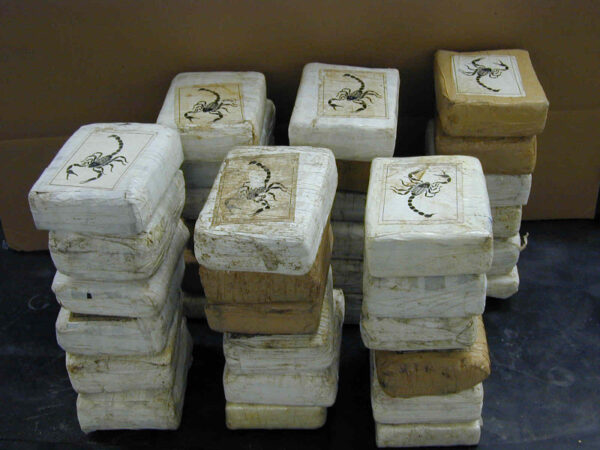
From the Netherlands to Sierra Leone: EU aid, a president’s daughter and Europe’s most‑wanted cocaine boss
A recent investigation by the Guardian directly links the surge in cocaine trafficking to Europe with the expanding presence of Latin American criminal networks in Europe and the close ties they’ve forged with local mafias.
This intensification of drug trafficking in Europe, has been accompanied by a surge in correlated violences. The 2023 Eurojust report signalled that half of all homicides recorded in Europe were directly connected to drug trafficking.
Here in Brussels, 74 shootings were recorded between January and September 2026, resulting in two deaths and 28 injuries.
So what should we do about it ?
Last month, the European Parliament voted a resolution demanding a coordinated EU crackdown on drug trafficking networks. The resolution demands more funding on police equipment, tighter security at ports and a deepening of collaboration between customs, law enforcement and judicial authorities across the bloc.
But while nationally, right and far-right politicians call for harsher punitive approaches – other voices call for alternative solutions.
Read more
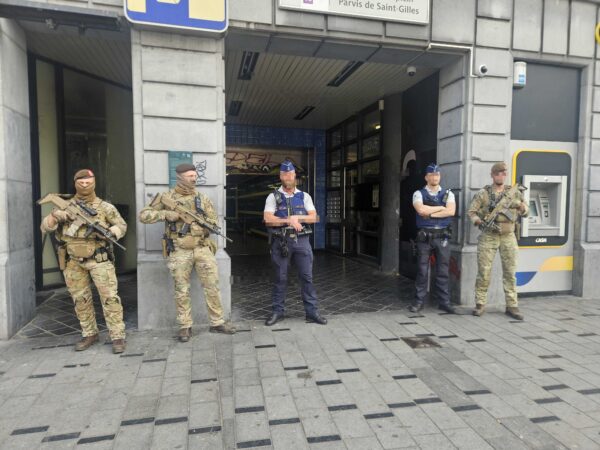
Brussels’ drug war in Saint-Gilles: residents caught between bombs, shootings and an absent state
One of these voices is anti-mafia French activist Amine Kessaci. The Marseille-born 23 year old is the brother of one of the victims of the 3 killings currently on trial. Recruited by a drug gang as a teenager, his brother Brahim was shot and burned in a car in 2020.
Now part of the French Green party, Kessaci argues that drug gangs “fill a void” left by a lack of public services, offering an illusion of economic opportunities to teenagers from economically precarious families, who feel abandoned by the school system and entrapped in the margins of society.
Similarly, Belgium’s national commissary to drugs Ine Van Wymersch underlines that the one third of young Brusselers living under the poverty line, are particularly vulnerable to criminal organisations which consider them as an “easy-to-recruit” and “disposable” workforce.
Van Wymersch warns against the counter-productive effects of repressive approaches and calls to “transform the living environment of vulnerable youth” by supporting parents, offering better access to public neighbourhood structures and creating better adapted work experience opportunities.
Van Wymersch’s recommendations also include the creation of a “Child File” from birth to detect risk factors such as poverty, family histories of crime, and low levels of education. She argues that early intervention would prevent young people from becoming the victims of recruiting drug traffickers. A social and economic approach to the boom in