Trump said Iran, which he stressed has had its economy and military severely damaged over eight months of war, is eager to end the conflict.
People drive next to a banner with a picture of Iran's Supreme Leader Mojtaba Khamenei, on a street in Tehran, Oct 26, 2026. (Photo: WANA (West Asia News Agency) via REUTERS/Majid Asgaripour)
People drive next to a banner with a picture of Iran's Supreme Leader Mojtaba Khamenei, on a street in Tehran, Oct 26, 2026. (Photo: WANA (West Asia News Agency) via REUTERS/Majid Asgaripour)
TEHRAN: Iran said on Saturday (Nov 7) its military had grown "stronger" since the outset of its war with the United States, as mediators including Qatar worked to prevent any return to fighting after months of deadlock in the conflict.
Washington also offered a US$20 million reward for information about Tehran's nuclear programme.
Iranian Foreign Minister Abbas Araghchi said on Instagram on Saturday that over the past 48 hours he held phone calls with ministers from 12 countries.
US President Donald Trump, meanwhile, called Qatari Emir Sheikh Tamim bin Hamad Al Thani on Friday to discuss efforts to end the war.
CNA Games
 Guess Word
Crack the word, one row at a time
 Buzzword
Create words using the given letters
 Mini Sudoku
Tiny puzzle, mighty brain teaser
 Mini Crossword
Small grid, big challenge
 Word Search
Spot as many words as you can
Show More
Show Less
Qatar's Prime Minister Sheikh Mohammed bin Abdulrahman Al Thani applauded colleagues in the US administration for "genuine intentions to find a way to contain the situation and to de-escalate it".
"Thanks also to some wise voices in Tehran, we have prevented that from getting out of control," he said in Oxford on Friday.
Trump said Iran, which he stressed has had its economy and military severely damaged over eight months of war, is eager to end the conflict.
"We're dealing with them now. They want to make a deal very badly," he said.
The Middle East conflict began when the US and Israel attacked Iran in late February.
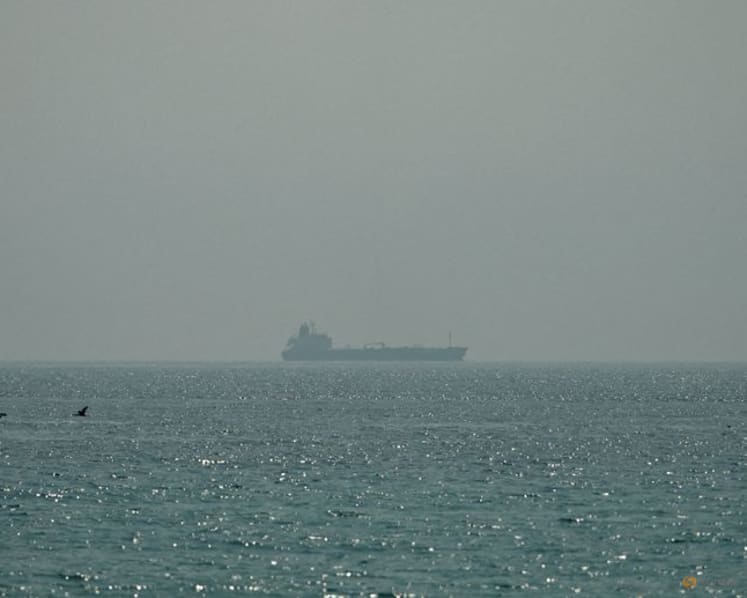
Tehran has since sought to limit traffic through the Strait of Hormuz, which normally carries about one-fifth of global oil consumption.
Iranian army spokesman Mohammad Akraminia said the strategic waterway would remain closed until Tehran's demands were met by Washington.
No 'perfect deal'
He also said Iran's forces "are on higher alert and are stronger than they were at the beginning of the war".
"They now possess greater motivation, commitment and self-confidence," he added, state news agency IRNA reported on Saturday.
"Under the order of the Supreme Leader, the response of the armed forces will be immediate, effective and without geographical limitations."
Revolutionary Guards spokesman Hossein Mohebbi told Fars news agency on Saturday that "the increase in the range of Iran's missiles continues steadily".