Here's who should spend the extra money on a 2TB phone and who should skip it.
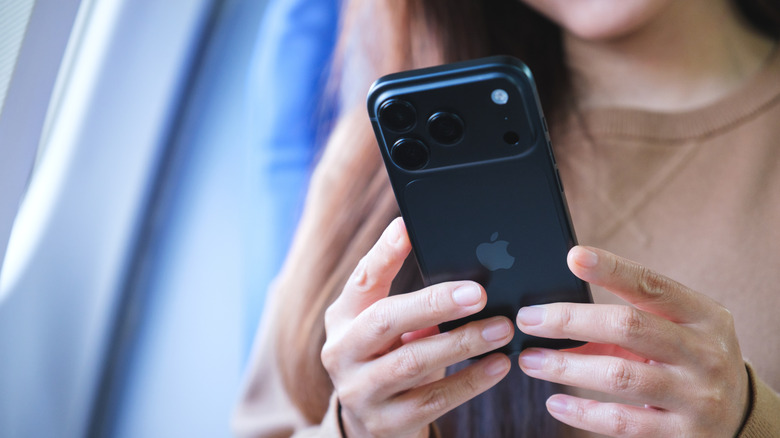
For most people, a 2TB smartphone is a bit of overkill since they won't actually need that much storage space. Unless you shoot professional-grade videos, edit long-form content or download a ton of games, a more modest storage option is better, especially given how expensive it is to buy the 2TB models.
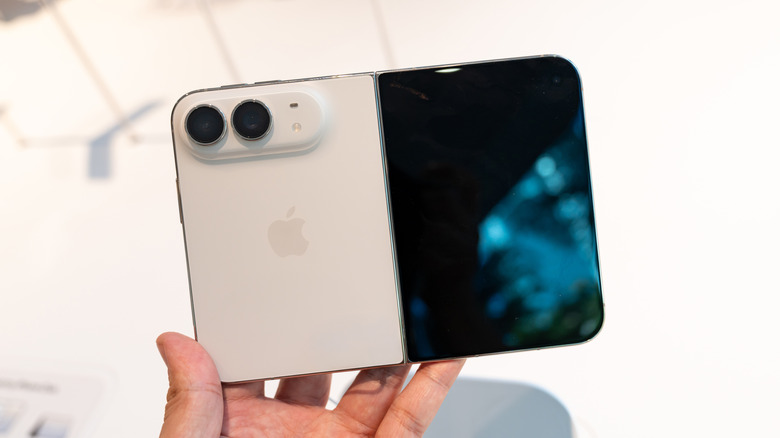
Apple's iPhone 18 Pro with 256GB of storage starts at $1,199, but the 2TB model costs twice as much. The flashy new iPhone Duo is already $1,999 for its 256GB model, but it's a steep $3,199 for the 2TB version. That's a $1,200 premium that most people won't need to pay.
With photos automatically backing up to the cloud, streaming apps replacing downloaded media and social apps and messaging tools taking up less space than a decade ago, 2TB doesn't make sense for the average consumer. For most folks, a 128GB or 256GB phone covers daily use for pics, apps, music and the occasional episode downloaded for in-flight entertainment.
So why does the 2TB exist at all? Content creators who take full advantage of the iPhone camera, gamers storing multiple games that together take up over 100GB of space and people who don't want to hand their personal pictures and videos to iCloud are just some users who can justify paying extra. These buyers don't have to constantly delete files, uninstall apps or juggle external drives.
Who actually needs 2TB of phone storage?

We're going to mainly talk about iPhone users here since you can't get Android smartphones with 2TB of built-in storage. Some Samsung and Sony phones do let you expand storage with a microSD card up to 2TB, but most apps can't be moved to the microSD, so that card only makes sense if you change the default folder.
So what are the use cases that would justify spending an extra $1,200? Shooting ProRes RAW video tops the list here. Apple says a minute of full-sensor ProRes RAW at 30 fps can use more than 10GB, and ProRes RAW HQ can use more than 15GB, so a 10-minute take can approach or pass 100GB. Anything less than 1TB is impractical for serious video work, especially since you'll probably need to shoot multiple takes.
Professional photographers face similar problems. Shooting in RAW format rather than compressed JPEG produces files that are up to 10 times larger; maintaining a working library of originals also adds up fast. Video editors working on vlogs, documentaries or short films also need lots of storage. You'll also need some elbow room to edit footage directly on a phone without constant file management.
If you're into downloading movies and shows for travel, you can fill a phone quickly, especially without reliable Wi-Fi. A single film can run 3GB to 4GB, so a handful of movies plus a few seasons of a show adds up fast. If you're a gamer, some titles can range from 20GB to 40GB and use quite a bit of your storage. Even a modest library of titles can consume a big chunk of a 256GB device.
How much storage do you actually need?
When deciding how much storage to buy, think about how you'll use your phone. Cloud storage can be a solution, but it does have limitations. ProRes video, for instance, can't record directly to iCloud or similar services in real time; videos must first be captured locally, then uploaded or transferred. When you're shooting in remote locations or areas with poor connectivity, you won't be able to send footage to the cloud to make room for new videos.
General consumers who take a few pics every day, install some apps, stream movies on occasion and play a couple of games should be able to get away with 128 or 256GB of space. Power users and gamers who want the room to install all the apps and games they want will be better off with 512GB. Pro creators, however, should shoot for 1TB or 2TB models so they don't have to rely on external storage.