Poco F9 Pro: two-minute review
The Poco F9 Pro is from a smartphone brand I wasn't all too familiar with before I got hands on with it I’ll admit it. Poco is owned by consumer tech giant Xiaomi, known for making mid-range mobiles, and we’ve rated a lot of their previous efforts pretty highly here at TechRadar.
But the Poco F9 Pro is an interesting model. See, while I’d still class it as a mid-range device, it comes with a substantial price bump over its predecessor, the Poco F8 Pro, which cost £549 (about $730 / AU$1,070) at launch. This new model, though, starts at £799 (about $1,000 / AU$1,500).
So does the Poco F9 justify that price increase? And can it compete with some of the best phones on the market? Here’s my verdict after a week of testing.
Let’s start by exploring why the F9 Pro costs so much more than its predecessor. Outside of the generally rising costs of memory and components, the F9 Pro features a superior Snapdragon 8 Elite Gen 5 V Series processor, a higher 185Hz refresh rate, a larger battery, and improved cameras. Right away, then, the price bump doesn’t exactly seem unwarranted — and, in practice, you feel each and every one of these improvements adds up to something special.
(Image credit: Future)See, I’m not sure if I’ve tested many phones that have impressed me more than the Poco F9 Pro in 2026. I want to start with performance, which is arguably the most impressive thing about this phone. The Snapdragon Elite processor paired with 12GB of RAM means that you’ll have more than enough firepower for demanding mobile games, multi-window activities, and general productivity tasks.
On top of that, the phone’s 185Hz refresh rate will help you enjoy games at 120fps with ease, and I found that games looked and ran absolutely effortlessly on the F9 Pro with next to no hiccups.
I’m a big fan of this phone’s screen tech more generally as well. It uses a big and beautiful 6.59-inch AMOLED display with Dolby Vision, HDR10+, and HDR10 support. Whether you’re watching movies or YouTube videos, you’ll be treated to a detailed, clear picture with eye-popping colors. On top of that, a 10,000 nits peak brightness will allow you to enjoy using the phone outdoors, even on the sunniest of days.
When you add in great camera quality (especially with the 200MP rear camera), plentiful battery life, speedy wired and wireless charging, and even a clean, relatively bloat-free software experience, there’s just so much to appreciate on the F9 Pro.
OK, its ultra-wide camera isn’t the best I’ve used, and I’d perhaps argue that it's a little lacking in the looks department. But when all’s said and done, the Poco F9 Pro offers everything you need from a mobile phone… and then some. If you want a powerful yet fairly modestly priced phone that can do it all, then look no further.
Poco F9 Pro review: price & availability
- 256GB version priced at £799 (about $1,000 / AU$1,500)
- 512GB version priced at £849 (about $1,100 / AU$1,600)
- Released in September 2026
The Poco F9 Pro was released in September 2026, less than a year after its predecessor, the Poco F8 Pro, which we rated very highly indeed. It’s available in the UK and some European markets, but isn’t directly sold in the US (though you could conceivably import it). Australia, meanwhile, got the slightly different Poco F9 Ultra.
If you go for the 256GB version of the Poco F9 Pro, it’s going to set you back about £799 (about $1,000 / AU$1,500). However, I’d strongly suggest going for the 512GB edition instead, as it's only marginally more expensive, coming in at £849 (about $1,100 / AU$1,600). It’s also worth noting that the F9 Pro was — and continues to be — available for a discounted price in the UK. I’ve seen it going for around £639 for the 256GB edition and £669 for the 512GB, so you should aim to avoid paying full price.
Poco F9 Pro review: specs
Dimensions
6.20 x 2.96 x 0.35 inches / 157.5 x 75.3 x 8.8mm
Weight
7.27 oz / 206g
Screen
6.59-inch AMOLED
Resolution
2510 x 1156
Refresh rate
185Hz
Chipset
Snapdragon 8 Elite Gen 5 V Series
RAM
12GB
Storage
256GB, 512GB
OS
Xiaomi HyperOS 3 (based on Android 16)
Rear cameras
200MP f/1.7 main, 50MP f/2.0 telephoto, 8MP f/2.25 ultra-wide
Front camera
32MP f/2.2
Battery
6,330mAh
Charging
100W wired, 50W wireless
Poco F9 Pro review: design
- Decent build quality
- Not the prettiest design
- Very strong IP68 dust and waterproofing
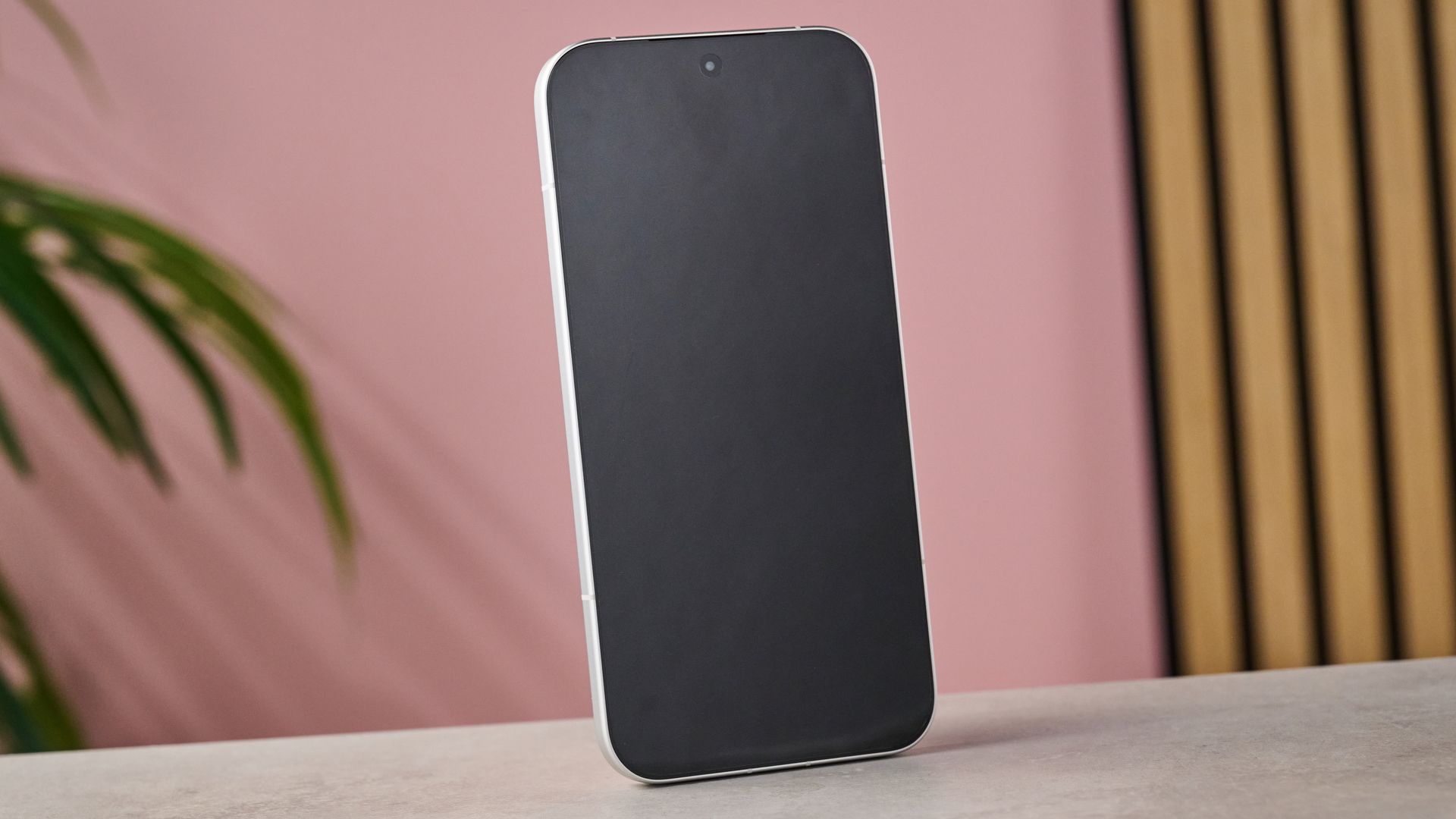
The Poco F9 Pro has a decent standard of build, with a solid aluminum frame and a reinforced plastic back plate. It's pretty large, with a 6.59-inch wide display. And at 206g, it’s not exactly the lightest phone around, but the F9 Pro never felt unwieldy or overly hefty for me.
This phone is also pretty sturdy. It has Corning Gorilla Glass 7i for the display — a staple option for mid-range phones that should keep your device safe from the occasional drop.
It also has an IP68 dust and waterproof rating, meaning the F9 Pro is fully protected against dust ingress, and can survive being dunked under a meter and a half of water for 30 minutes. While I still wouldn’t recommend dunking it in the tub, I reckon it should live if you use it outside on a rainy day or drop it in the sink.
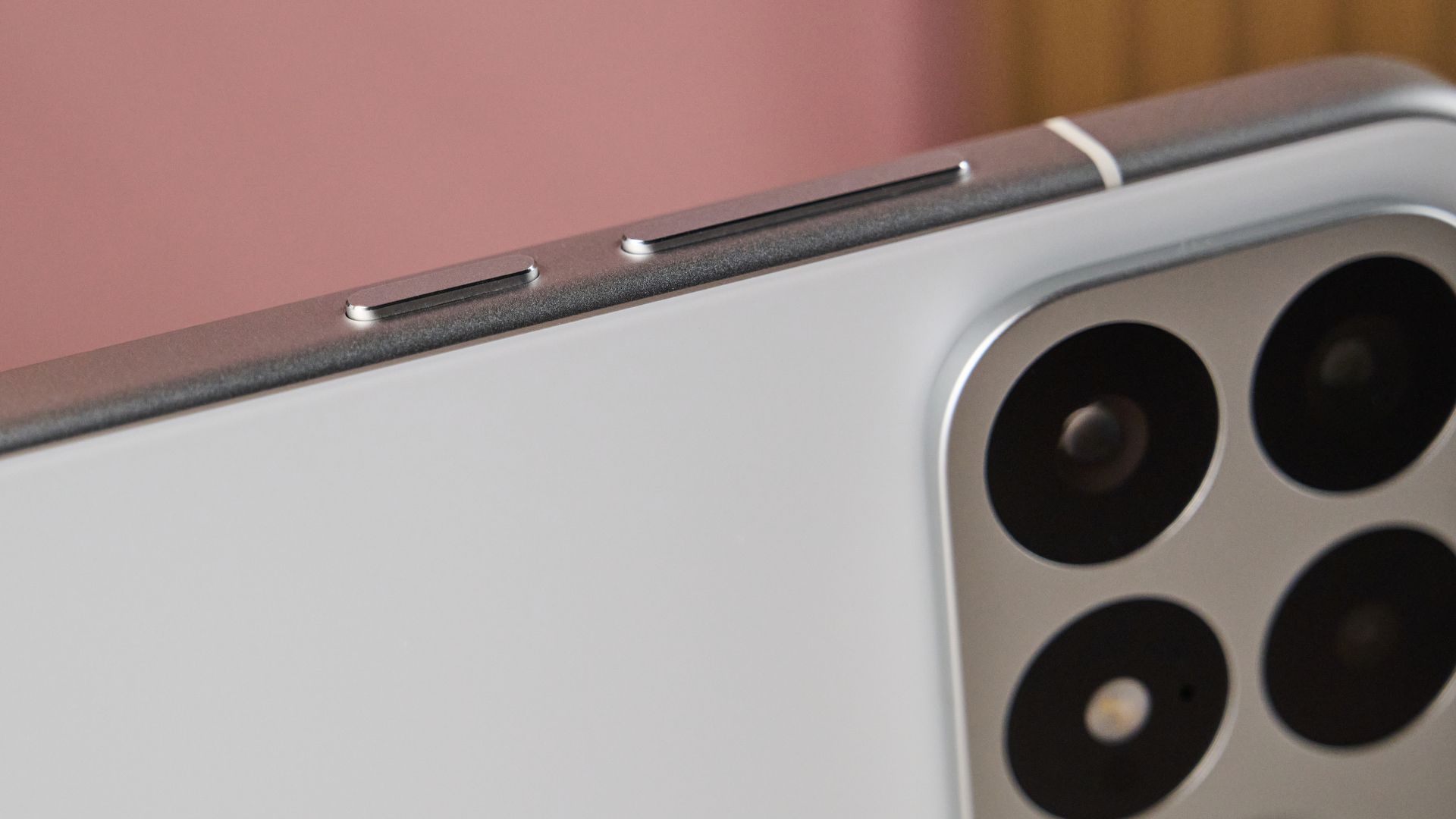
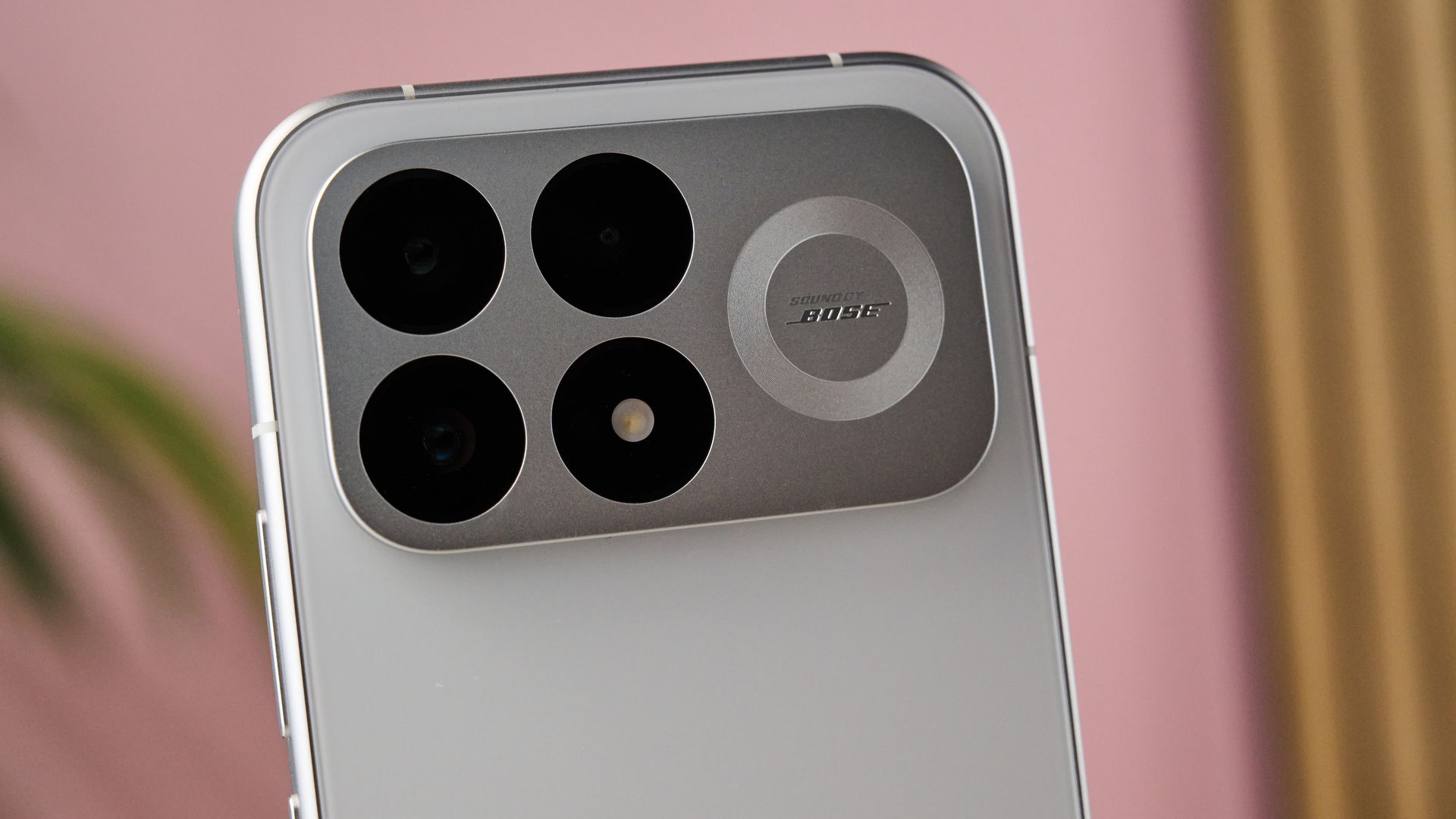
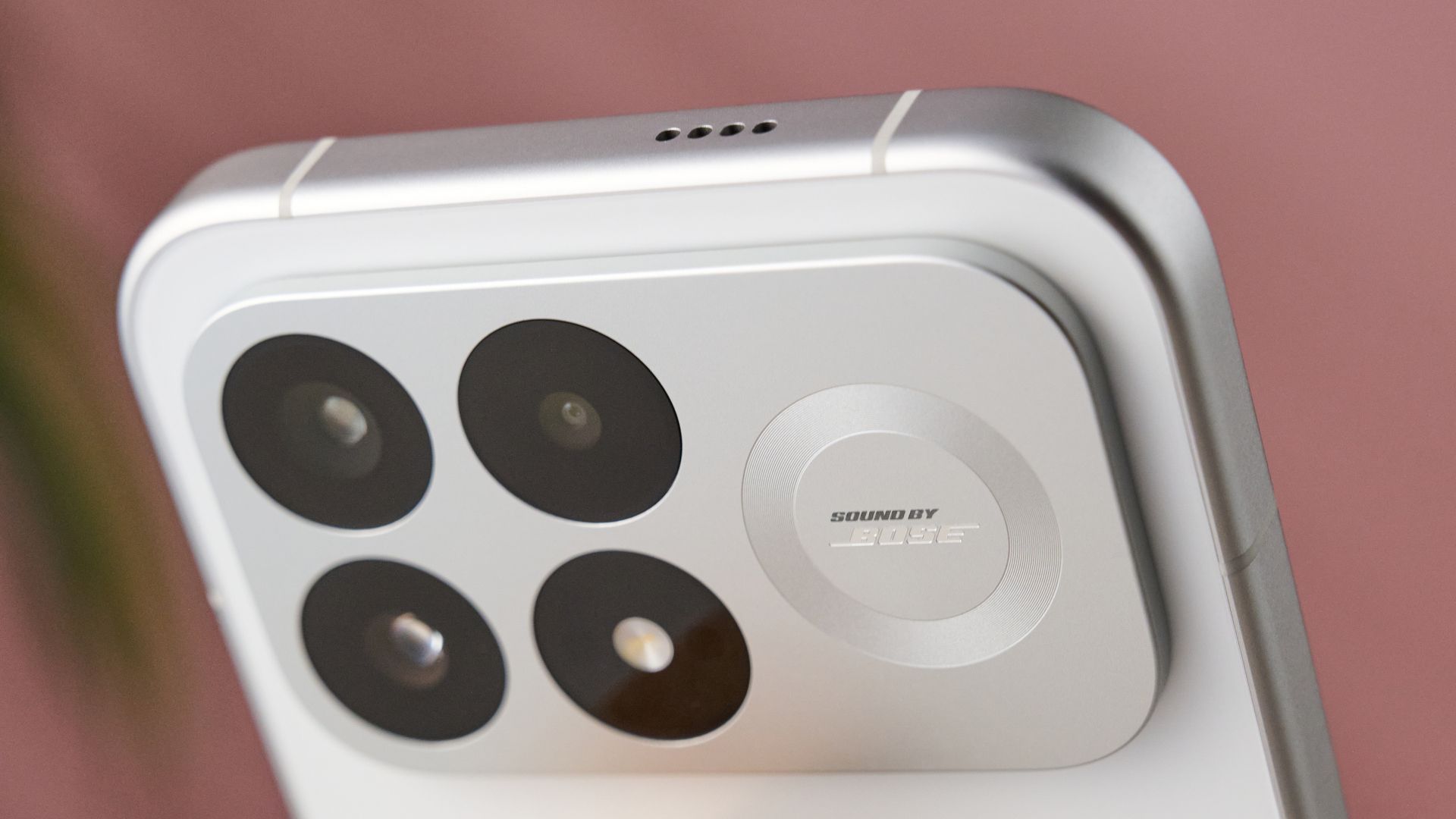
My only slight gripe with the F9 Pro’s design is that it's not particularly aesthetically pleasing. The module on the reverse side of the device is very large and has a ‘sound by Bose’ logo smacked on there, which isn’t particularly sleek. I much prefer the lower-profile module on the Xiaomi 17, for instance, and there was nothing else that really grabbed me about the F9 Pro’s look.
However, I did like the color options on offer. I tried the White version, but I really like the look of the Aurora Green variant, with a classy Black colorway also available.
- Design score: 4/5
Poco F9 Pro review: display
- 6.59-inch AMOLED display
- 185Hz refresh rate
- Exceptional 10,000 nits peak brightness
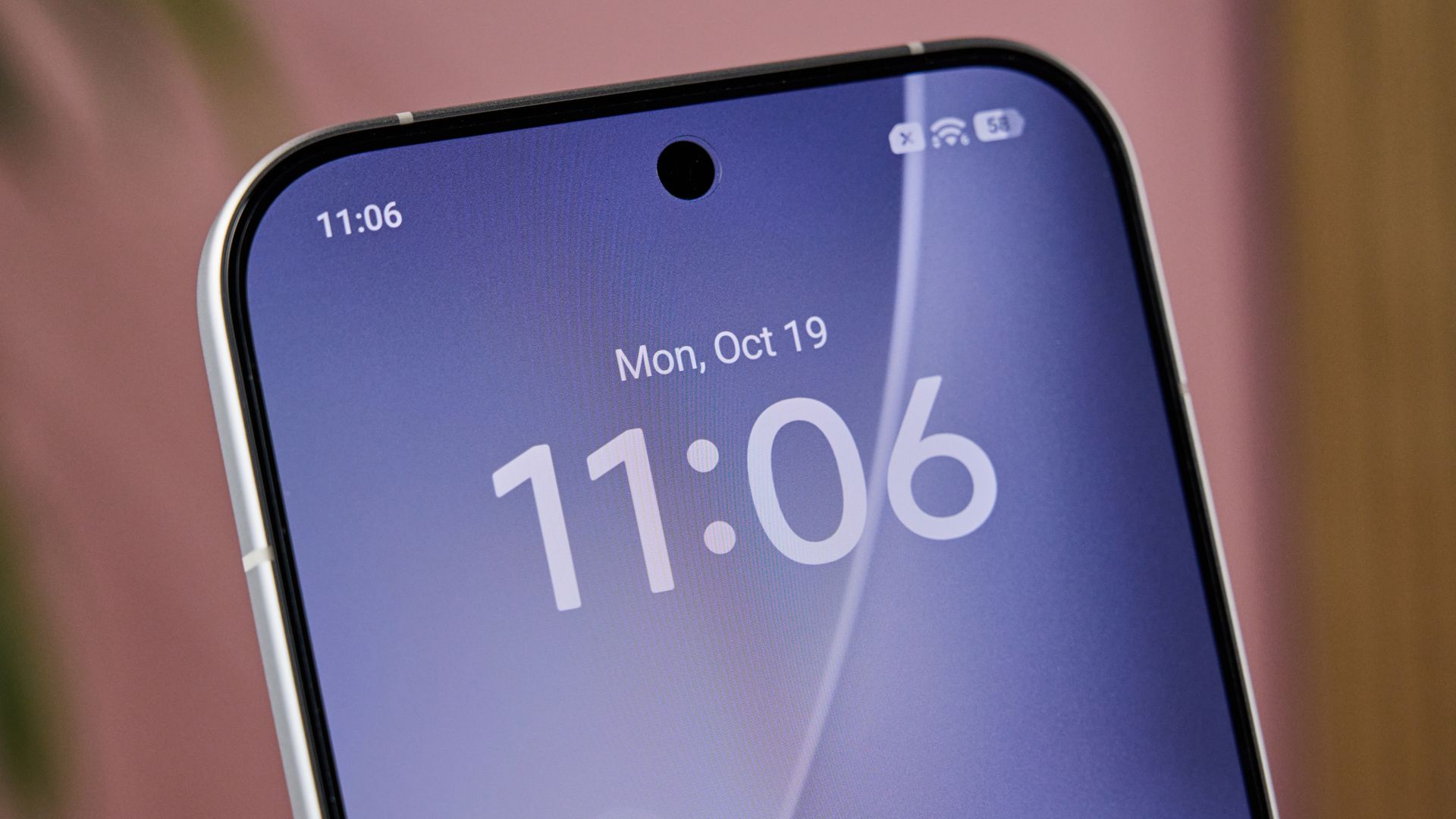
The Poco F9 Pro has an absolutely gorgeous screen. Its 6.59-inch AMOLED display is big and beautiful, and comes with HDR, HDR10+, and Dolby Vision support for the ultimate mobile viewing experiences.
Whether I was watching YouTube videos or Netflix movies in Dolby Vision, I was consistently staggered by the quality on offer here. The 2510 x 1156 resolution is plenty good enough for high-fidelity on-the-go viewing, and in a video set in Costa Rica’s rich rainforests, the deep emerald green of foliage was replicated elegantly, and details on a snake’s skin were intricate and textured. There’s impressive contrast and black levels on offer too, and I couldn’t really ask for more at this price-point.
The F9 Pro’s display also has a refresh rate of 185Hz, which is exceptional. Is it a bit of a gimmick? Perhaps — after all, there are next to no mobile games that will be able to take advantage of this. But you’ll be able to enjoy 120fps in more demanding titles, and just generally, scrolling on this phone feels extremely fluid and responsive.
I was also blown away by the brightness of the F9 Pro. Its 10,000-nit peak brightness was measured on a 1% window, but there was still a peak 4,500 nits recorded on a 25% area, which I found to be more than enough to enjoy videos or social media scrolling in well-lit outdoor areas.
In Settings, you’ll also be able to play around with Advanced Textures mode, which adds rendering effects like blurring to provide a more consistent viewing experience, Xiaomi Vision Care for easier-on-the-eye reading, and custom refresh rates.
- Display score: 5/5
Poco F9 Pro review: software
- Runs Xiaomi HyperOS 3 out of the box, based on Android 16
- Four years of OS updates and six years of security patches
- Relatively light on bloat
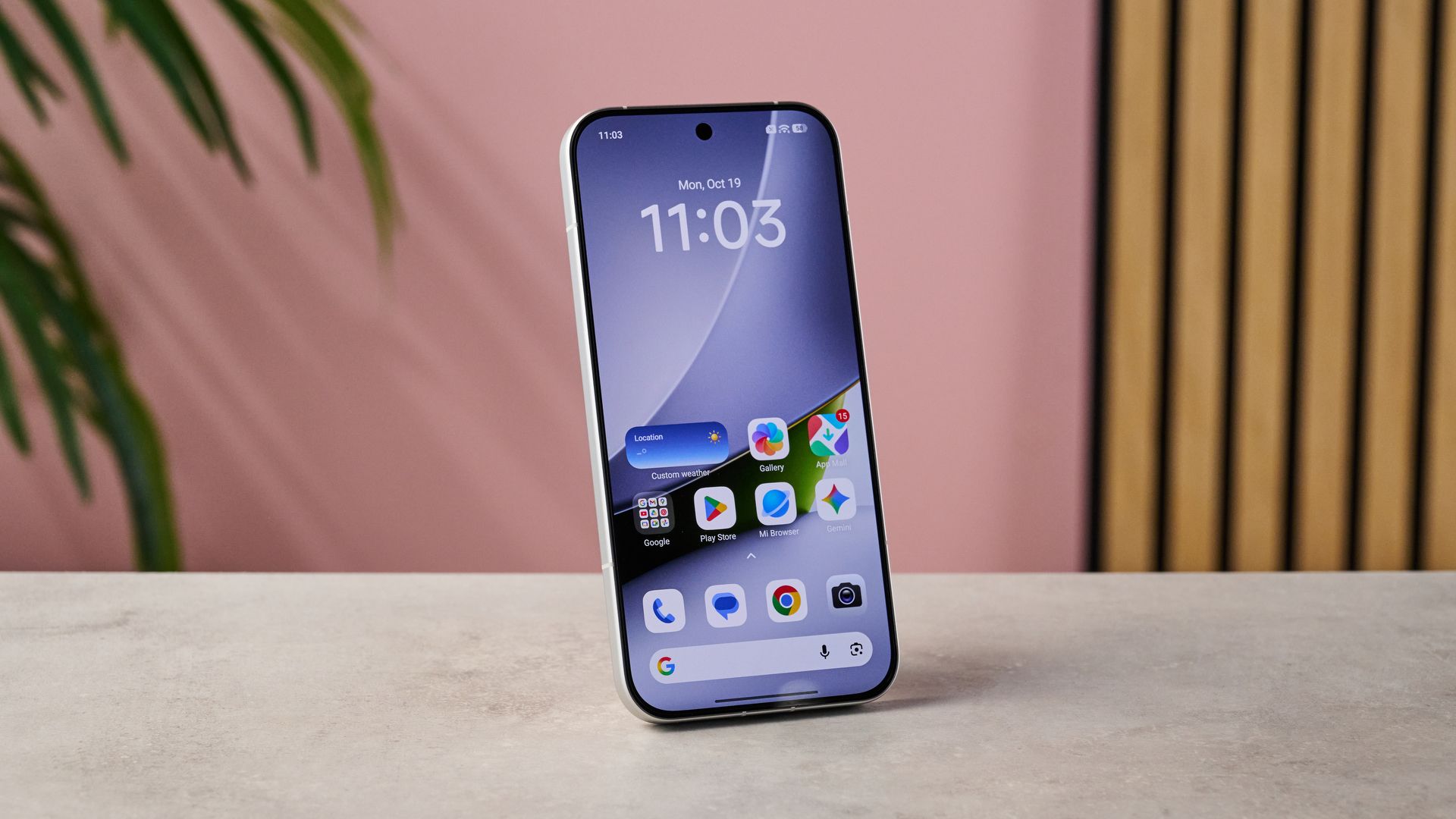
The Poco F9 Pro is running Xiaomi HyperOS 3 out of the box, which is based on Android 16. If you’ve used a Xiaomi phone or any modern Android before, it will be the same simple, customizable software experience you’re used to — it’s a clean and effective OS with a slick-looking, well-laid out user interface.
Xiaomi is also giving users four years worth of OS updates and six years of security patches on the F9 series, which should be enough to last you for the period prior to your next upgrade.
Something that a lot of budget or mid-range Android phones fall foul of is filling their device with bloatware out of the gate — but not the F9 Pro.
I found this phone to be relatively light on unwanted apps and services, with an option to avoid downloading shoddy mobile games and shopping apps available during the setup process. There are still a few mandatory third-party applications, such as Netflix, WPS Office, and the dreaded AliExpress, but I swiftly deleted these.
The only thing that is worth considering is that the F9 Pro likes to send quite a lot of notifications from its first-party apps, like Themes and the App Mall. However, these can be switched off with ease.
Another thing I really like about the F9 Pro is that it’s not trying to shove pointless AI functionality down your throat. Xiaomi HyperAI is onboard, enabling you to make use of features like AI Writing, AI Wallpapers, and AI Search, but these are hidden in Settings, rather than being constantly forced upon you — and given that I never want to use these tools, I was glad to see Poco take a more lax approach.
- Software score: 4.5/5
Poco F9 Pro review: cameras
- Great 200MP main camera
- Solid telephoto lens and selfie camera
- Ultra-wide isn’t the best
The Poco F9 Pro is a pretty strong performer in the cameras department.
The main 200MP camera can squeeze so much detail out of your surroundings, in pretty much any lighting conditions. When taking a photo of a plant pot in my living room, the glossy red came through with delicious depth, and the intricacies of the (admittedly fake) plant within it were captured to perfection.
You do have to wait a few seconds for 200MP images to process, but if you want a speedier option, then you can always switch to a 50MP or 12.5MP mode instead. And I found that photos still looked sharp, even at the lower end of the resolution spectrum, with red leaves on a tree exhibiting true-to-life texture and color.
The telephoto lens is also mightily impressive, and I found it was able to retain a lot more sharpness and clarity than some mid-range rivals I’ve tested over the years. A distant church shrouded in foliage looked brilliant at both 2.5x and 5x, with markings in the brickwork and surrounding trees perfectly visible.
I would say, however, that the ultra-wide camera is a bit middling. I tried taking a photo of my living room during the daytime, and there was a distinct downturn in quality, with a slightly blurry, unrefined quality to objects on my shelves — though I will say that colors remained punchy and the overall quality was still fine enough.
With that said, I did rate the front camera pretty highly. When taking a selfie, lines on my face and individual hair strands appeared well-defined and natural.
In terms of video, the F9 Pro comes with all of the features you’d expect at this price-point. You’re getting video up to 4K at 60fps, so content creators and hobbyist videographers should have all of the firepower that they need. I tried taking a video, and the picture quality remained strong, with smooth frame rates and plenty of useful options, including a teleprompter, slow-motion capture, and motion-tracking focus.
- Cameras score: 4.5/5
Poco F9 Pro review: performance
- Powerful Snapdragon 8 Elite Gen 5 V Series chipset
- 12GB of RAM
- Great symmetrical speakers and audio codec support
The Poco F9 Pro has impressed me right across the board so far, but its performance truly wowed me.