
In brief: The US military has established Task Force Iron Gate to disrupt weapons shipments, sanctioned goods, and illicit financing moving through Iran’s land borders and the Caspian Sea. The approximately 20-person team will coordinate with other US agencies, extending pressure beyond the naval blockade. The announcement comes as Washington and Tehran remain divided over conditions for renewed peace talks.
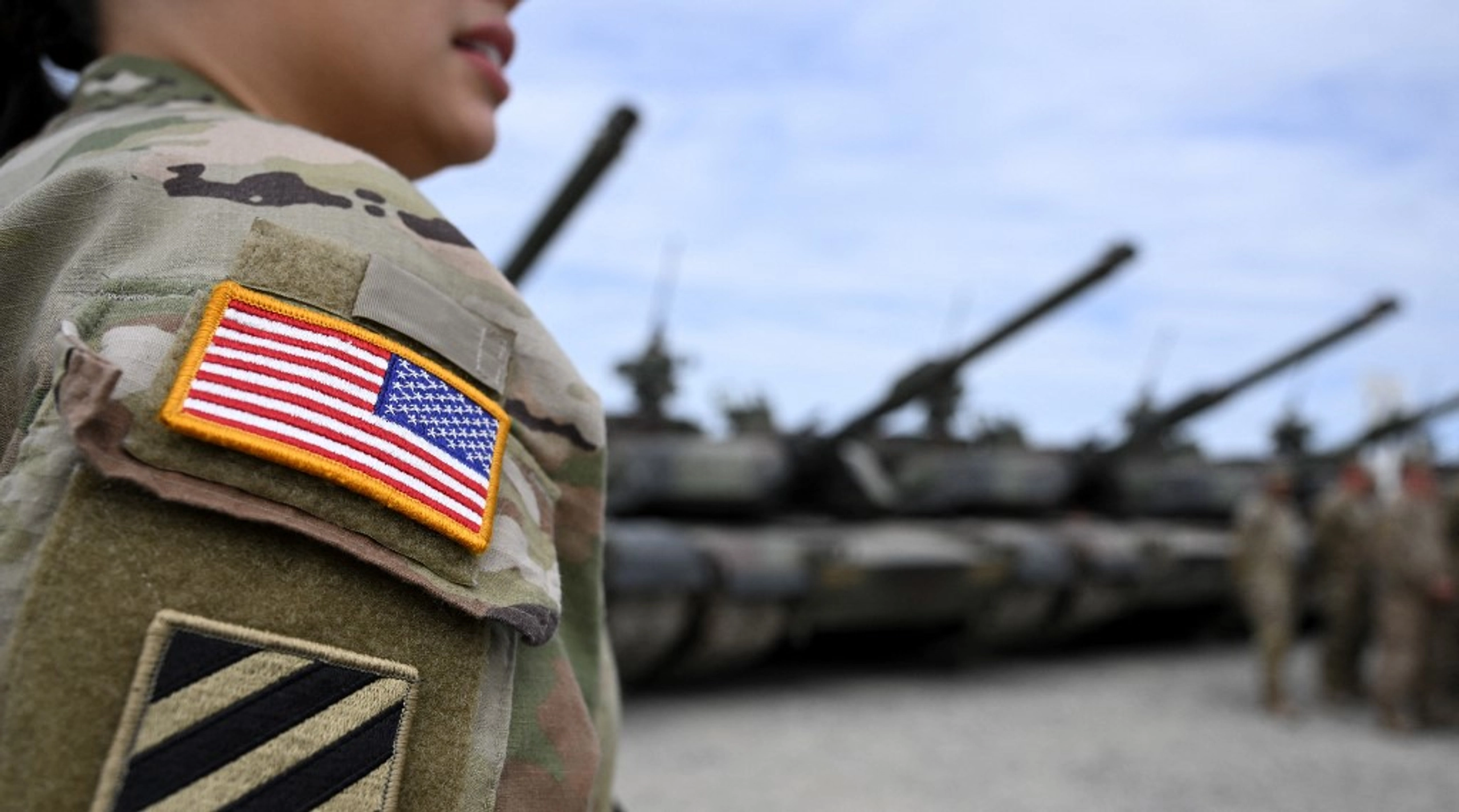
The US military announced the creation of a new task force to disrupt Iran’s movement of advanced weapons, sanctioned materials and illicit revenue through its land borders and the Caspian Sea, expanding pressure beyond its months-long naval blockade.
US Central Command (CENTCOM) announced on Saturday, Nov. 7, the formation of Task Force Iron Gate after Reuters first reported the initiative.
JOIN US ON TELEGRAM
Follow our coverage of the war on the @Kyivpost_official.
The team will comprise approximately 20 civilian and military personnel based in Tampa, Florida, working with other US government agencies to restrict Tehran’s access to weapons, dual-use technologies and financing.
“Strengthening CENTCOM’s collaboration with US interagency partners will further constrain Iran’s ability to finance terrorism, rebuild weapons factories, and replenish their military,” CENTCOM commander Adm. Brad Cooper said.
CENTCOM described Iron Gate as an internal coordination team. It did not announce a deployment of American troops to Iran’s borders or explain how the group would disrupt shipments through neighboring countries.
The initiative broadens Washington’s focus to alternative supply routes that can bypass the waters where US naval forces enforce the blockade.
Caspian routes complicate efforts to restrict supplies
The Caspian Sea provides Iran with a shipping connection to Russia that avoids the Persian Gulf and Strait of Hormuz.
A June assessment by the Center for Strategic and International Studies identified Pakistan, the Caspian Sea and more direct sourcing from China as potential alternatives to Iran’s traditional procurement routes.

Russia Faces Sabotage Epidemic That Mirrors Own Hybrid Assault on Europe
The researchers said Iran’s military industry depends on imported machinery, electronics, raw materials and other goods that can have both civilian and military applications.
Restricting those supplies could complicate efforts to rebuild damaged weapons factories and replenish missile and drone stocks, the assessment argued. It also warned that procurement networks could shift as established routes came under pressure.
An October Reuters investigation found that Iranian military agencies had imported at least $2 billion in hardware, explosives and heavy-duty trucks since January 2025 through a covert procurement network.
The equipment entered Iran aboard cargo vessels from Russia across the Caspian Sea, trucks from Central Asia and freight aircraft from China, according to the investigation.
Military pressure extends beyond the naval blockade
CENTCOM estimates that its naval blockade has prevented Iran from exporting more than $25 billion in crude oil in recent months. That figure is the command’s assessment.
Cooper said Iron Gate would reinforce the maritime restrictions, which CENTCOM said would continue against vessels entering or departing Iranian ports.
The confrontation at sea also continues. CENTCOM said US forces disabled a commercial vessel in the Gulf of Oman on Nov. 7 after it ignored repeated warnings and attempted to breach the blockade following a visit to an Iranian port.
The effort to restrict Iran’s supplies comes amid growing scrutiny of its military relationship with Russia.
Documents reported by the Financial Times on Nov. 5 indicated that Moscow had agreed to supply Iran with 90 helicopter-mounted missile launchers. The records did not establish whether those launchers had been delivered.
Iran previously supplied Russia with Shahed attack drones used extensively against Ukraine. Moscow subsequently established domestic production of Iranian-designed drones under the Geran designation.
Iran rejects pressure as diplomatic contacts continue
Iran dismissed the new task force while defending its conditions for renewed negotiations with Washington.
Foreign Ministry spokesman Esmaeil Baghaei said on Monday, Nov. 9, that Tehran wanted sanctions and the naval blockade lifted and hostilities ended before talks. Iran’s latest proposal shortened a previously suggested seven-day timetable to two days.
Baghaei characterized the US initiative targeting land trade as a diversion following Republican losses in the American midterm elections.
Diplomatic efforts nevertheless continue through Qatar. US President Donald Trump was due to meet Qatari Prime Minister Sheikh Mohammed bin Abdulrahman Al-Thani in Washington on Nov. 9, although US officials have played down expectations of an imminent agreement.
Kyiv Post is Ukraine’s first and oldest English news organization, reporting since 1995. Its international reach – 90% of readers are outside of Ukraine – make it truly Ukraine’s global voice.
Russian Diesel Tankers Flee US Route as Trump-Putin Deal Hits Sanctions Wall
‘We Will Not Implement It’: Kallas Rejects US-Russia Security Deal Negotiated Without Europe
Zelensky: Musk in Contact With Putin Since War’s Start
China Rejects Ukraine Talks With Trump and Putin

EU Divided Over European Role in Upcoming Ukraine-Russia Talks

‘What Have I Done?’ Trump Dismisses Impeachment Prospect

US Electronics Found in Russia’s New Geran-5 Weapon Capable of Reaching 1,000 Kph

US, Armenia and Azerbaijan Launch Planning Group for Trump Peace Route
Record Number of Russians Head for the Exit Amid New Draft Fears

Territorial Changes: Kremlin Says Ukraine ‘Already a Different Country’

Russia Faces Sabotage Epidemic That Mirrors Own Hybrid Assault on Europe

Will a Freezing Winter Save Ukraine from Russian Drones?
