The government plans to introduce a 3% discount on small-scale gold purchases in 2027 to reduce the cost of accumulating foreign exchange and building reserves through domestic gold purchases.
The measure, outlined in the 2027 Budget, comes after the transfer of the gold-buying programme from the Bank of Ghana to GoldBod, with the Ministry of Finance now responsible for financing its costs.
According to the budget, the cost of generating foreign exchange through the Ghana Accelerated National Reserve Accumulation Policy fell from 16% in 2025 to 5% in 2026. Government now intends to reduce it further to 2%.
“To reduce this cost further to 2 per cent, Government will, in consultation with industry stakeholders, introduce a 3 per cent discount on small-scale gold purchases in 2027,” the budget states.
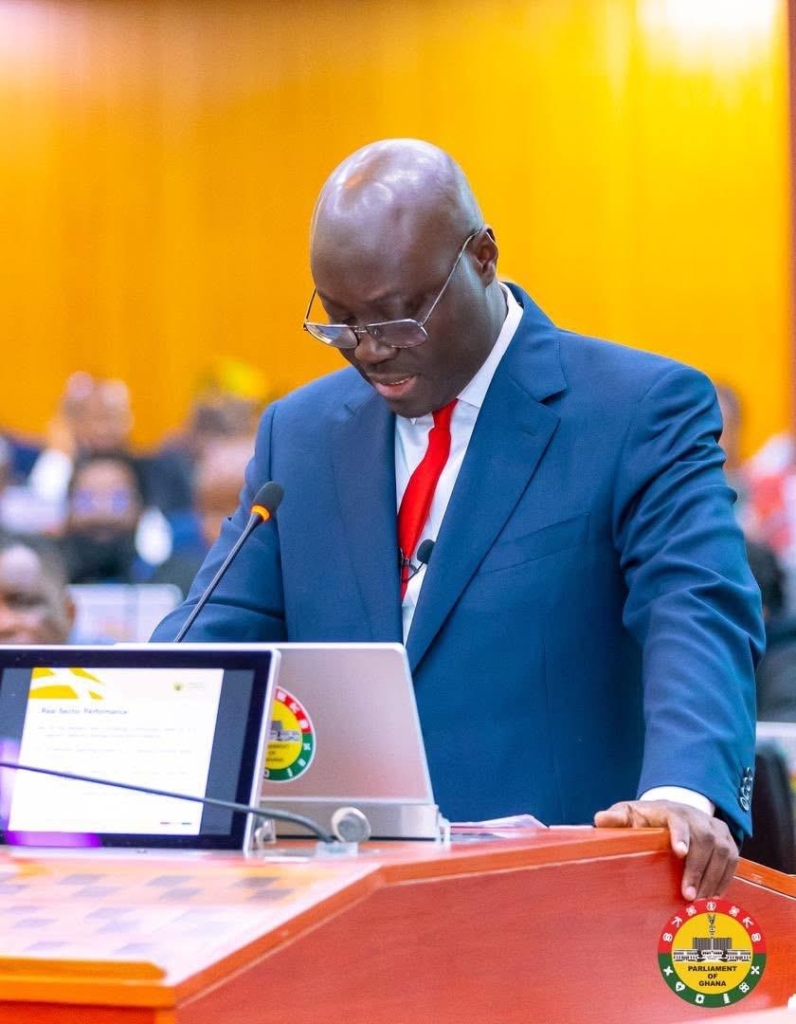
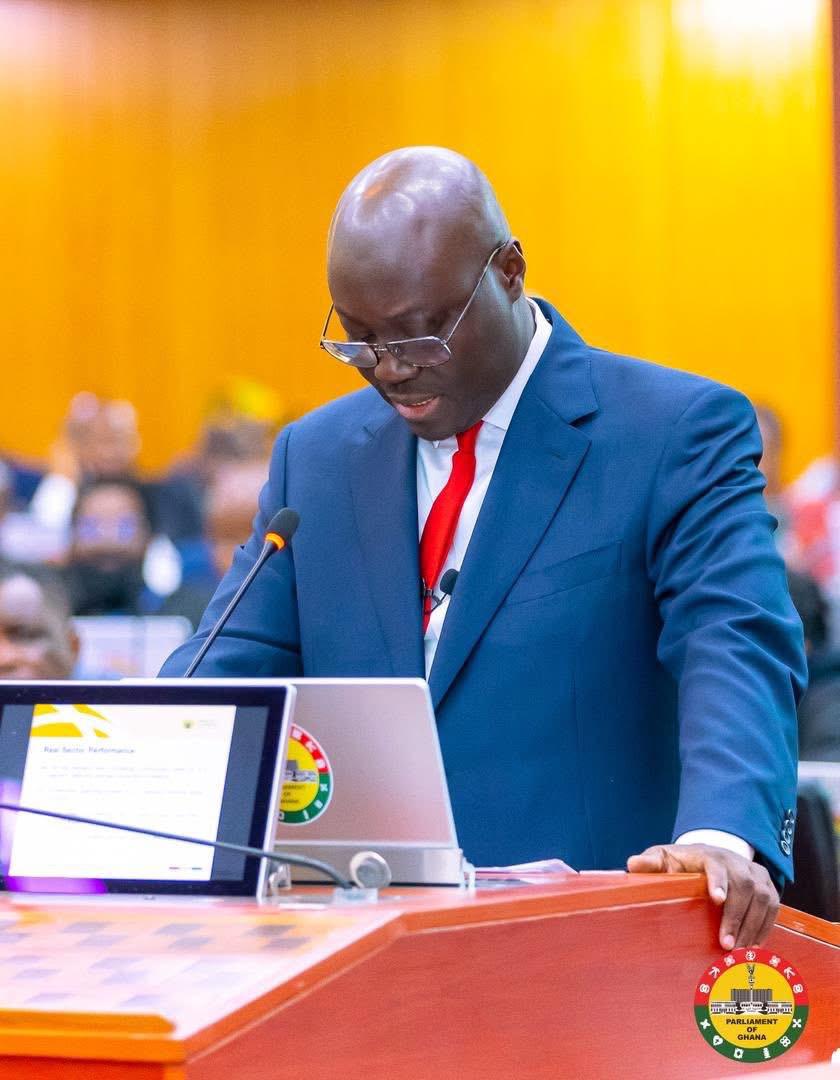 Finance Minister Dr. Cassiel Ato Forson
The proposal addresses an important question raised by the programme’s earlier trading model: whether the price paid for gold leaves enough room to cover export costs and generate foreign exchange.
Under the previous arrangement, GoldBod facilitated gold purchases on behalf of the Bank of Ghana, buying from small-scale miners at spot prices and, in some cases, at a premium. GoldBod earned fees for its services, while the central bank financed the purchases and absorbed the associated losses.
The Bank of Ghana’s 2025 financial statements reported that the Domestic Gold Purchase Programme generated losses of approximately GH¢22 billion.
 BoG Governor, Dr Johnson Asiama
JoyNews Research subsequently identified several sources of the losses, including service and assay fees, discounts on gold sold to off-takers and exchange-rate differences. Its analysis highlighted the gap between the forex bureau rate used to purchase gold and the reference rate used in the central bank’s accounting.
Some losses reflected valuation effects rather than direct economic costs, but they nevertheless weakened the Bank of Ghana’s balance sheet.
Responsibility for the programme has since changed.
According to the government, GoldBod began conducting doré gold purchases on April 1, 2026. A memorandum signed in July formalised the transfer of the programme from the Bank of Ghana.
 GoldBod CEO, Sammy Gyamfi
In practical terms, the transfer moved the financial burden away from the central bank. It did not automatically make the underlying transactions cheaper.
The proposed discount now targets the purchase price itself.
Buying gold at a lower price could create more room to cover refining, transport, financing and other trading costs. It could also reduce the amount government needs to provide to support the programme.
The government’s own target suggests the discount will reduce the programme’s cost rather than eliminate it. Even after the proposed adjustment, the budget envisages a remaining cost of 2%.
The government also has to balance reducing acquisition costs with keeping the official buying system attractive to miners and traders.
A lower purchase price could improve the programme’s finances. But its effect on the volume of gold supplied through licensed channels will depend on the prices and payment terms available elsewhere.
The budget says the government will develop the measure in consultation with industry stakeholders and specifically calls on the Ghana National Association of Small-Scale Miners and the Licensed Gold Buyers Associations to support the reforms.

Government continues to emphasise the programme’s wider benefits. The budget reports that GoldBod has exported 88 tonnes of small-scale gold worth $12 billion since January 2026, supporting foreign-exchange supply, reserve accumulation and the cedi.
Those benefits explain why the programme remains important to government. They also make it necessary to report its costs transparently.
The 3% discount is a concrete response to the acquisition-cost problem. But transferring responsibility for financing the programme from the Bank of Ghana to the Ministry of Finance does not, in itself, resolve the underlying economics of the transactions.
The proposed discount seeks to narrow that gap.