When Moscow launched its war against Ukraine in early the 2022, the EU quickly announced sanctions to cripple Russia’s economy.
Twenty-one sanction packages have since been imposed, designed to punish Russia for its war. In 2021, EU trade with Russia stood at €253bn. Last year, it was €58bn.
Yet despite EU restrictions, sanctioned trade goods, both imports and exports, still manage to slip into Russia as member states grapple with weak monitoring, spotty enforcement and legal ambiguities.
This includes everything from dual-use and advanced-technology items found in Russian weapons to industrial goods vital for Russia’s economic and industrial base.
Of some 202 identified parts in Russian missiles and drones, eight came directly from the EU. Even mundane products like Birch plywood from Russia and Belarus, which get relabelled in a foreign state, end up in the EU market.
Read more
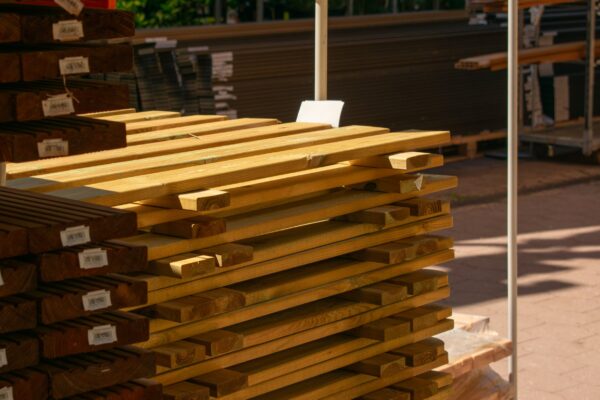
In theory it’s from China, in reality it’s from Moscow – how sanctioned Russian timber keeps flowing into Czech Republic
The findings were part of a larger report on EU sanctions on Russia, by the Luxembourg-based EU watchdog, the European Court of Auditors.
The court looked at Bulgaria, Germany, Latvia, the Netherlands, and Poland. The differences between the five, in terms of compliance, appears striking.
The report found Bulgaria recorded no violations of the sanctions. Latvia recorded 2,100. Both share borders with non-EU countries.
This article continues, but the full version is available only to EUobserver.com subscribers. Visit account.euobserver.com/membership