The Western Cape High Court has rejected an appeal bid over the Cape Peninsula baboon management plan, although a limited appeal relating to costs has been allowed.
The Western Cape High Court has refused an attempt to overturn its dismissal of a legal challenge to the Cape Peninsula baboon management plan, leaving the ruling in place following the relocation of the Simon’s Town Waterfall troop.
Liberty Fighters Network (LFN) and its executive official, Reyno Dawid de Beer, sought leave to appeal the judgment delivered on February 25, 2026, which dismissed their application to interdict the Action Plan for managing the Waterfall baboon troop.
The court refused leave to appeal against the dismissal but allowed a limited appeal relating to part of the costs ruling.
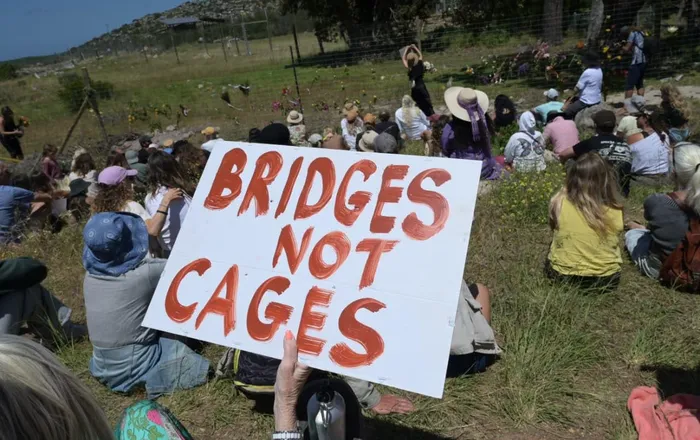
The baboons were captured and relocated to the Urban Wildlife Centre in Kogelfontein earlier this month.
The application for leave to appeal was heard by Judge Melanie Holderness on November 12, 2026. It was opposed by South African National Parks (SANParks), CapeNature and the City of Cape Town.
Judge explains why baboon management challenge failed
Judge Holderness had dismissed Part A of the application on the basis that the urgency was self-created.
In a judgment delivered on Thursday, she said the applicants had failed to establish that De Beer was authorised to act on behalf of LFN, that they had standing under section 38 of the Constitution, or that they had made out a case for interdictory relief in their founding papers.
Holderness also said she had directed that the costs issue stand over, with the parties given an opportunity to file written submissions.
However, LFN and De Beer did not submit their arguments after SANParks sought a stay order.
Holderness said the central question in the appeal application was whether the unchallenged finding that no case for an interdict had been established was decisive, and whether urgency had been assessed on the correct facts.
“I found that the applicants had failed to set out, in their founding or replying affidavits, what right they sought to protect, or to plead the requirements for an interim interdict, and that the application had to fail on that ground alone.”
She noted that the only legal issue pursued in the founding affidavit concerned whether CapeNature was authorised to conclude the memorandum of agreement under which the Action Plan was adopted.
Other issues had been identified but were not pursued further.
On the applicants' argument that she should have struck the matter from the roll rather than deciding it, Holderness said a finding that a matter was not urgent did not deprive the court of jurisdiction to determine it.
“It goes to whether the matter should be heard out of turn,” she said.
Holderness added that the applicants were based in Gauteng and had failed to demonstrate an interest of their own in the matter.
LFN also failed to produce a resolution, minute or other evidence showing that its national working committee had authorised the litigation.
“There is no reasonable prospect that another court would differ on either finding.”
Court addresses costs appeal
Holderness rejected the applicants' argument that she had delivered judgment on the costs order without giving them an opportunity to respond after the respondents' counsel had addressed the issue.
“It is so that no reply was invited at the end of the argument on costs. However, the applicants were afforded the opportunity to address costs in writing from 25 February 2026 and did not take it.”
She said the costs judgment followed the general rule that the unsuccessful party should pay costs.
“Mr De Beer instituted the proceedings in LFN’s name without proving that he was authorised to do so. It follows that the costs are properly borne by him rather than by an association which, on the evidence, did not authorise the litigation,” the judge said.
The ruling comes amid further legal challenges and objections to the baboon relocation.