Why retire your old TV when you can give it a new job or help someone out?
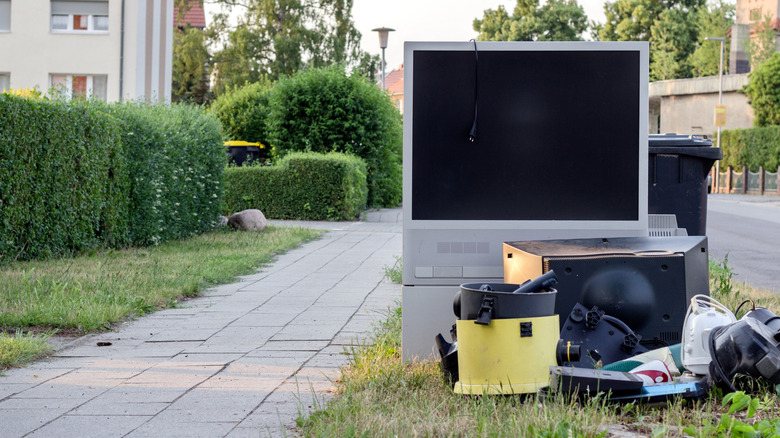
The average TV sits in an entertainment center or hangs on the wall for somewhere between 6 and 8 years. In many cases, it's perfectly fine, but it ends up on the chopping block in favor of more screen real estate or a nice resolution upgrade. But what happens to the old TV now that its usefulness on family movie night has run its course?
The simple answer is to move it to another room or, even better, donate it or give it to someone who is going through a hard time right now. You could turn it into a DIY repair project, though that usually takes a steady and patient hand. Most smart TVs today stop receiving firmware updates around 4 to 7 years, but don't forget that a new Fire Stick or Apple TV 4K could fix that without dropping even more cash on a replacement.
If this article caught your eye post-purchase, it's not too late. As long as your old TV is working, it will make a nice computer monitor, or it can become your dedicated display for a game console. The point isn't to persuade you to keep a TV if you don't want it. The thing is, you already own it, so you may as well get every bit of use out of it. If we're talking about an old CRT (cathode ray tube), you should keep that just on general principle. (They don't make 'em like they used to.) Whatever you decide to do, here are some important factors to consider before throwing away your old telly.
Is your old TV worth selling or donating?
If you don't have a use for your old TV and don't want to move it somewhere else, there are plenty of folks who would love to take it off your hands. If you're planning on selling it, keep your expectations realistic. Smart TVs depreciate between 30 and 40 percent in the first year and plummet 60 to 70 percent in three years.
A TV that is working, reliable and has virtually no resale value will find a comfy spot on a thrift store shelf or in the hands of a family member or friend. Most local online marketplaces don't require you to put a price on everything, so you could just list it for free, first come, first served, or however you want to handle the exchange. Just make sure you include a full description so potential recipients know what they're getting.
Old CRTs need more particular care because the glass may contain lead. Don't take it apart or break it to make it easier to trash or carry out the door. Believe it or not, the popularity of CRTs is on the rise again, thanks to the aesthetic they provide for retro gaming. So if you're determined to get rid of it, it might command a surprisingly high sale price.
How do I dispose of my old television?
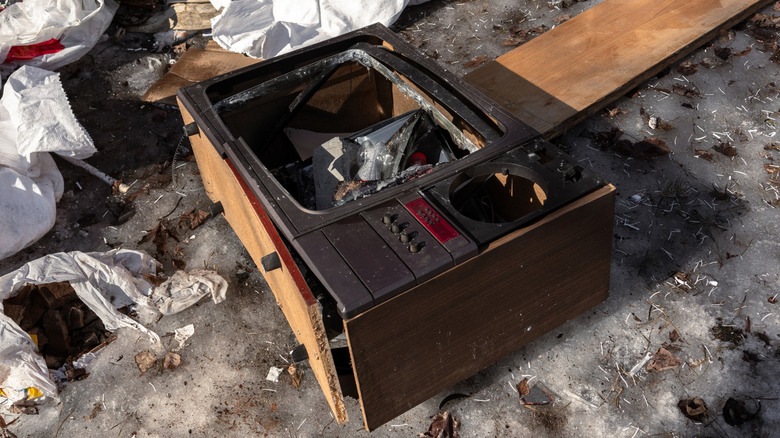
If your old TV is ruined or nobody wants it, look around for local electronics recycling. E-waste is a real problem, and the United States alone is pushing nearly 7 million tons of it per year. Your little TV is a drop in the ocean, but everything has to start somewhere. If you find a commercial or municipal location that collects electronic waste, make sure the location accepts your TV's type and size and determine if there's a charge. Recycling laws and ordinances are different depending on the state, county, and city where you live.
Some retailers also have "take-back" programs, and they'll happily pack your old TV away while delivering your new one. It always pays to check ahead of time. Even if you have to pay for collection, it's generally more convenient than having to haul it off yourself or let it take up valuable shelf space in the garage. If you want to transport it yourself and you're packing a flat-panel TV, protect the screen and keep it upright when you hit the road. Some flat-panel TVs may have small amounts of lead (not on the same level as CRTs), but shattered glass is dangerous either way.