Compact cameras took a major hit when smartphones took over, yet years later they’re staging a huge comeback, and we’re all for it. The best point-and-shoots pair stylish, distraction-free shooting with image quality that even top camera phones simply can’t match.
The TechRadar team has personally put every camera in this guide through extensive real-world testing. We’ve curated recommendations across a range of budgets and shooting styles, grounding every pick in the kinds of everyday scenarios you’ll actually encounter.
Overall, we rate the Fujifilm X100VI as the best compact camera you can buy, thanks to its standout design and effective stabilization for everyday shooting. If you want a deeper feature set and zoom versatility, the Sony RX100 Mark VII is a brilliant alternative, while the Sony ZV-1 remains our top pick for video creators.
Score a cut-price compact camera this Black Friday season
The Black Friday sales are underway, so it's a great time to buy discount compact camera. Black Friday itself takes place on November 27, and Cyber Monday arrives November 30, meaning those are two key days to look out for the very best deals.
Why you can trust our judgement
Every compact camera in this guide has been thoroughly tested by one of TechRadar's expert reviewers in real-world scenarios. Our dedicated team has decades of combined experience in both professional photography and technology journalism.
Why you can trust TechRadar☑️ 100s of cameras reviewed
☑️ 15 years of product testing
☑️ Over 16,000 products reviewed in total
☑️ Nearly 200,000 hours testing tech
We test all types of compact cameras, ranging from affordable point-and-shoots to film cameras and premium models with flagship features. Photo quality is a key area of focus (and video where relevant), but we also look at the overall user experience and the value offered by each model.
Real-world tests are the most revealing way to understand the best compact cameras' performance, quirks, and features. So, along with standardized tests for factors like ISO performance, we take every camera we test for a spin to see how it fares in real-world scenarios.
Here I am in Tokyo, the home of the Fujifilm X100VI which sits in top spot of this guide. I loved testing the stylish retro compact. (Image credit: Future)We'll use it both handheld and on a tripod to get a sense of where its strengths lie and test its startup speed. We'll also use a formatted UHS-1 card and shoot in both RAW and JPEG (if available), testing its burst shooting and buffer performance.
Don't buy it if:❌ You want a rugged camera: The camera isn't weather-sealed, and as such you need to look after it – as we know from experience with the GR III!
❌ You shoot video a lot: Maxing out at 1080p, video recording is very much an afterthought in the GR IV. It's nice to have all the same, but you'll be better off using your phone.
Ricoh's GR point-and-shoot lineup has earned a devoted following among photographers (me included!) who appreciate its genuinely pocket-friendly design paired with impressive image quality. This newest model, released in 2025, stays true to that formula, packing a superb 5-axis stabilized 26MP APS-C sensor into its diminutive frame while delivering welcome upgrades like extended battery performance and a generous 53GB of onboard storage. Thanks to its fixed 28mm lens and near-instantaneous power-up, this camera excels as a go-anywhere companion for street photography and travel shooting.
That said, it won't be the right fit for everyone. The autofocus feels noticeably slow, there's no built-in flash, and video recording maxes out at 1080p. The lack of weather sealing also stands out as a puzzling omission for a camera that otherwise seems designed to be your faithful, ever-present travel companion. Still, here's what matters most: you simply won't find another camera this small that delivers photographs of this caliber.
Read our in-depth Ricoh GR IV review
Best alternative...
- Ricoh GR IIIx: The GR IV's direct predecessor has many of the same advantages and drawbacks, but the 'x' version with 40mm lens offers photographers a different, tighter perspective – and as an older model, it's cheaper too.
- ^ Back to the top
The best Panasonic compact for keen hobbyists
 Tim Coleman
 Tim Coleman
 Tim Coleman
 Tim Coleman
 Tim Coleman
 Tim Coleman
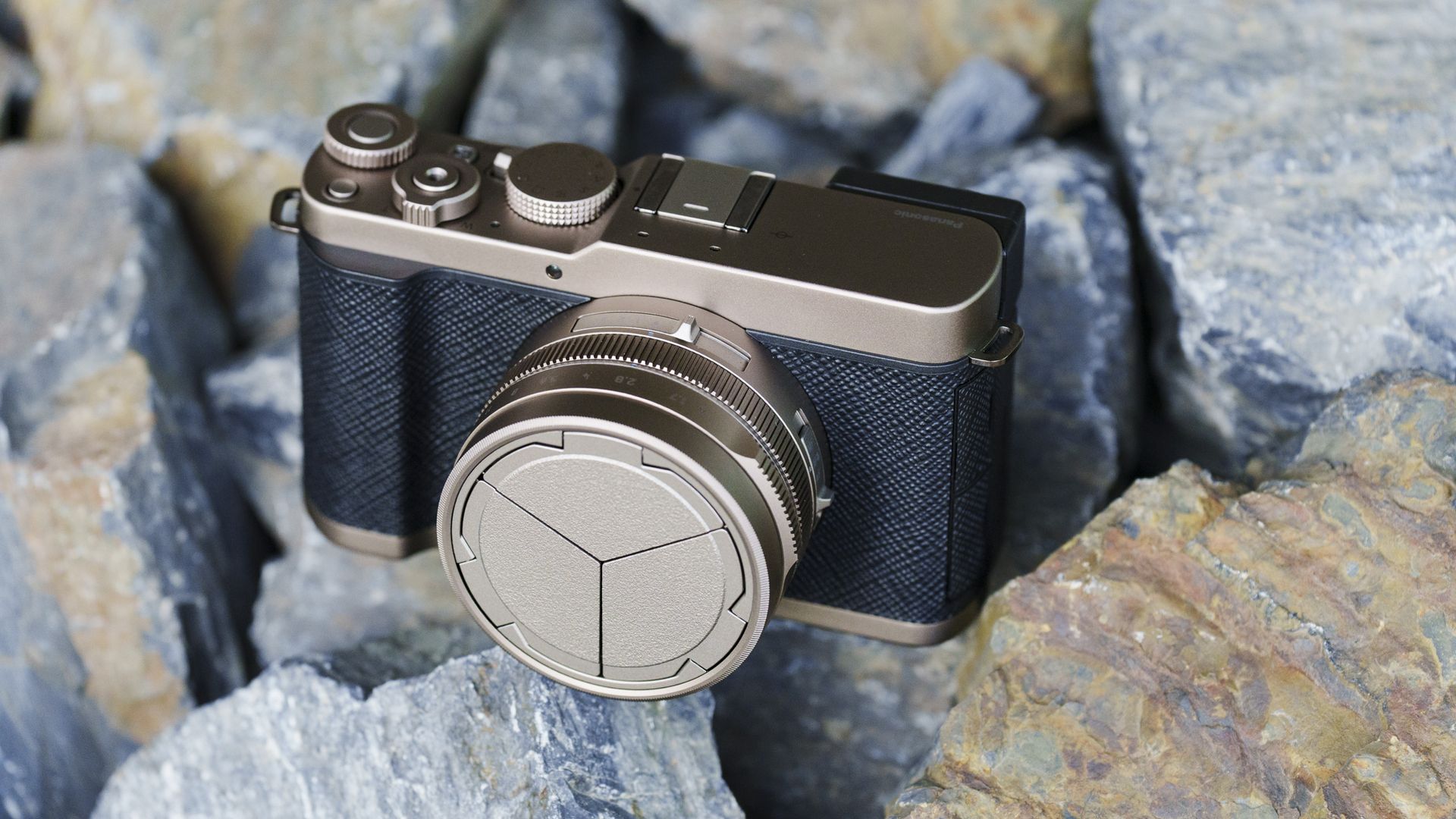
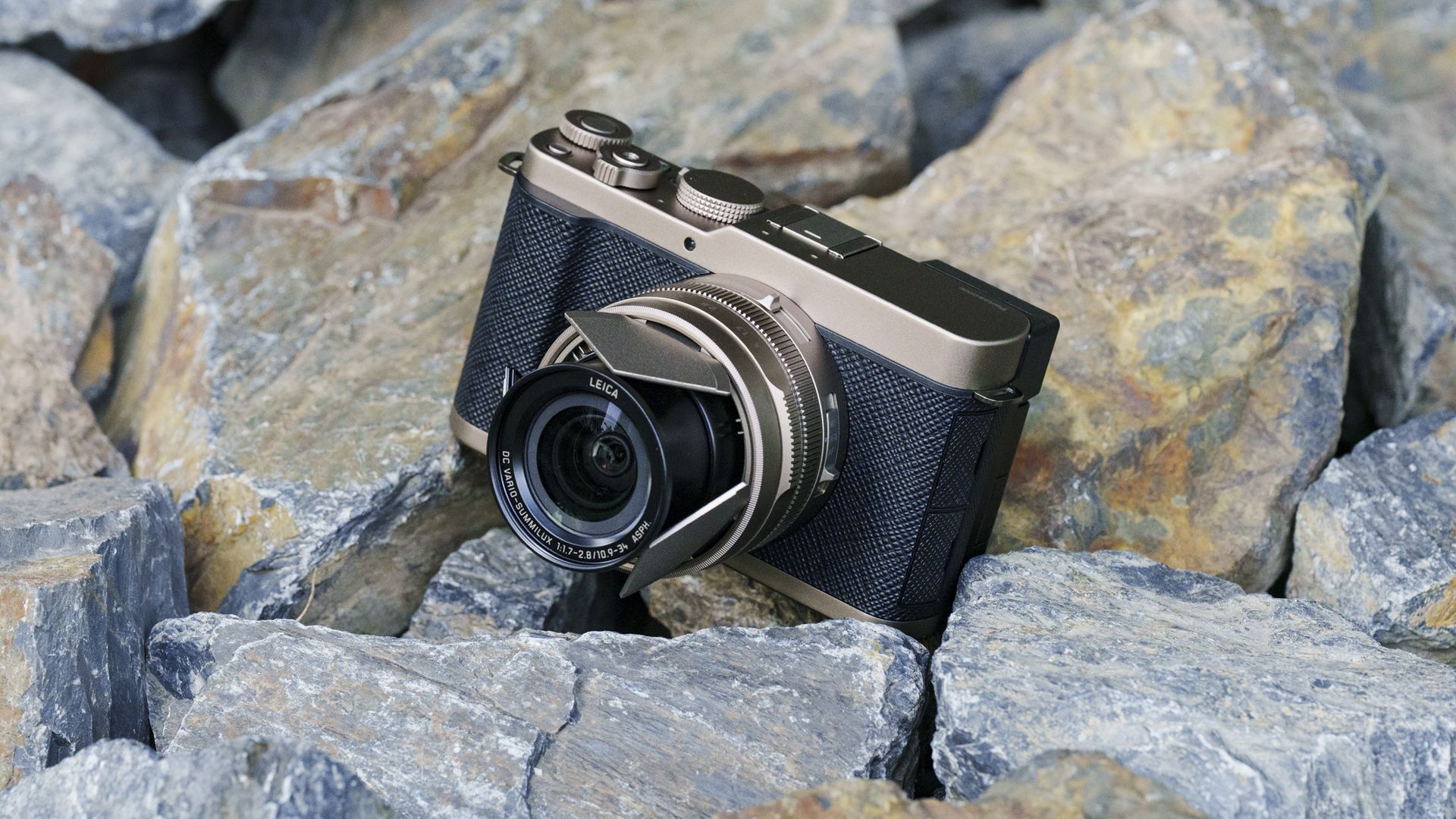
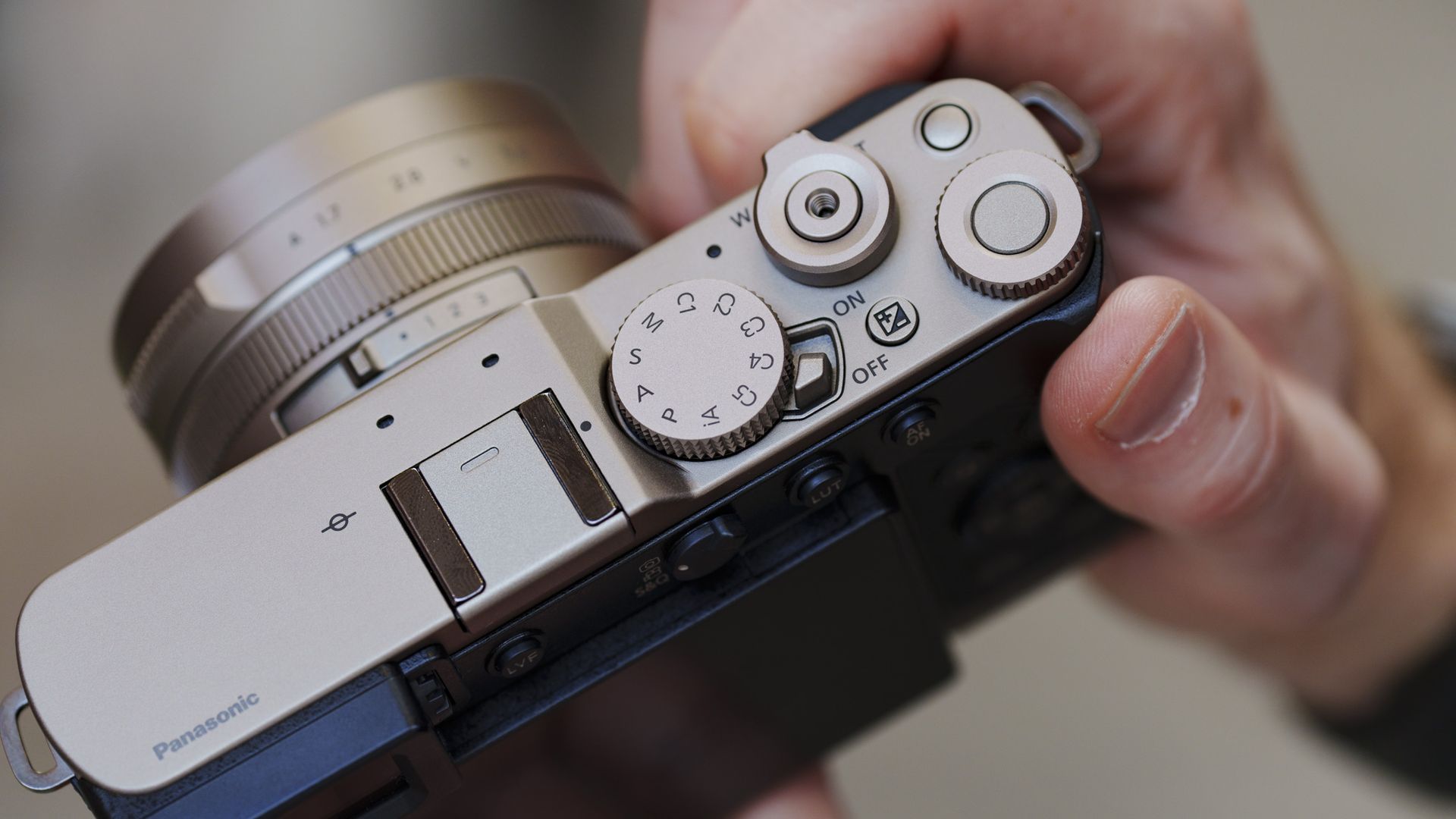
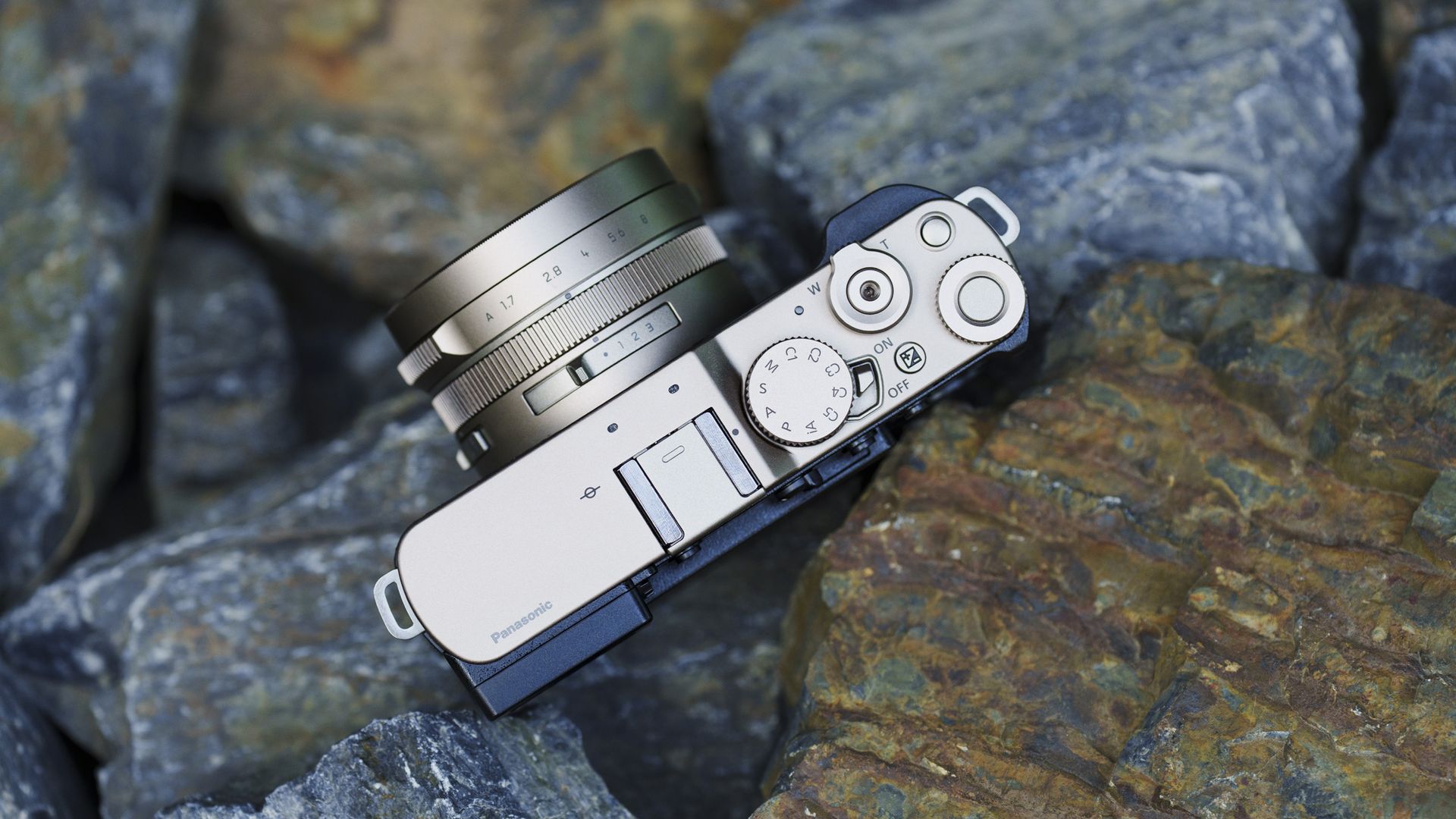
5. Panasonic Lumix L10
The best compact camera for hobbyist photographers
Sensor: Micro Four Thirds, 20.4MP | Lens: 24-75mm, f/1.7-2.8 | Monitor: 3.0-inch touchscreen, 1.84m dots | Viewfinder: EVF | Max continuous shooting: 11fps | Movies: 5.6K | User level: Intermediate
Photo and video features are powerfulHandles like a charm, with an EVF, flip-out touchscreen Stills limited to 20.4MP (not all of the sensor's 26.5 megapixels are used)Larger body than the Lumix LX100 IIPanasonic Lumix L10 sample images
 Tim Coleman
 Tim Coleman
 Tim Coleman
 Tim Coleman
 Tim Coleman
 Tim ColemanBuy it if:
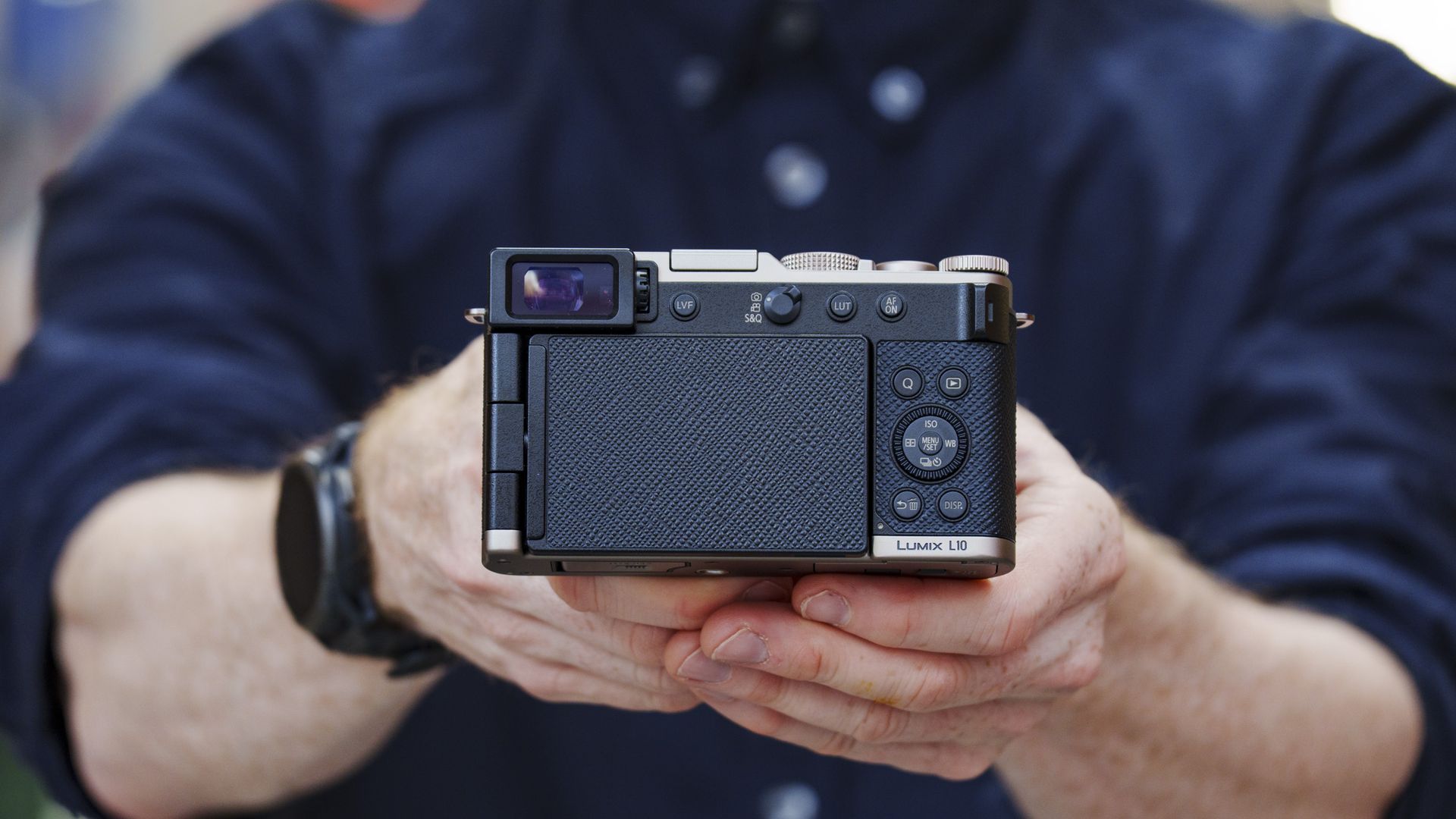
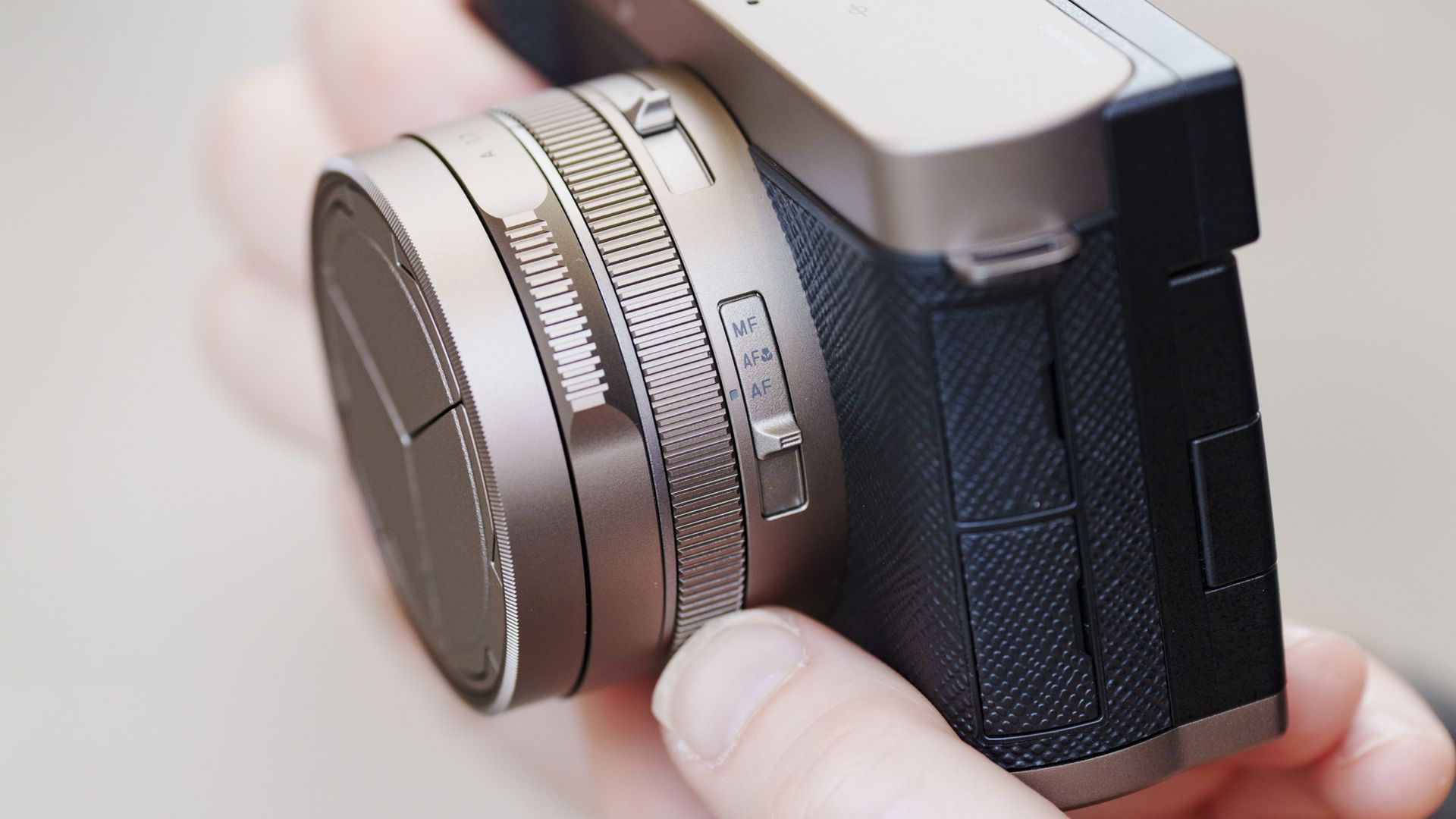
✅ You're looking for a stylish everyday camera: The Lumix L10 is undeniably pretty, thanks to its retro profile and rangefinder-style viewfinder.
✅ You already have a mirrorless Lumix: The Lumix L10's sharp zoom lens, sticky autofocus, and solid video capability make it a nifty companion to Lumix's mirrorless cameras.
Don't buy it if:❌ You use a single focal length: Zoom lens versatility is a major selling point of the Lumix L10, so you might be better off with a Fujifilm X100 series model if you typically shoot using a single focal length.
❌ You need an all-weather camera: Unfortunately, the Lumix L10 isn't as rugged as it looks, lacks weather sealing, and will need to be looked after on the go.
Few compact cameras are as pleasant to use as the Panasonic Lumix L10 – and it's thanks to more than just the charming retro design that takes its inspiration from the Lumix L100 II. The overall layout of the Lumix L10 isn't too dissimilar, either, with a 24-75mm f/1.7-f/2.8 lens, vari-angle 1.84m-dot touchscreen and 2.36m-dot EVF. It's a solid setup for casual shooting (whether you're capturing stills or video). The most notable difference we discovered is the size of the Lumix L10 – it's considerably bigger and slightly heavier than the L100 II.
We were massively impressed by the Lumix L10 during our hands-on testing. It didn't miss a beat when shooting 11fps burst sequences, macro focusing at the wide end allowed close-ups with pleasing background blur, and the high-res 5.6K video footage didn't suffer from any lag or overwhelming rolling-shutter distortion. Autofocus is just as capable, too, and we found that the subject detection picked out humans, animals, vehicles, and more without issue (and the pose recognition is a nice plus).
There are a few caveats to keep in mind, however. There's a drawback to the Lumix L10's design – the lens's imaging circle cuts into the sensor area, leaving some of the sensor's 26.5 megapixels unused and limiting the maximum photo resolution to 20.4MP. It's still a step up from the LX100 II, with its effective 12MP resolution, but lags behind the 40MP Fujifilm X100VI. Additionally, if you need a compact camera to take on the go, you'll need to keep in mind that the Lumix L10 isn't weather-sealed – so keep an eye on the forecast!
Read our in-depth Panasonic Lumix L10 review
Best alternative...
- Leica D-Lux 8: essentially the same camera but in Leica clothing, the D-Lux 8 is a recent release, but packs a lot of the same tech as the older D-Lux 7.
- ^ Back to the top
The best full-frame compact camera
 Future
 Future
 Future
 Future
 Future
6. Leica Q3
The best compact you can buy for big money
Sensor: Full-frame CMOS, 60.3MP | Lens: Summilux 28mm f/1.7 ASPH | Screen: 3-inch tilting touchscreen, 1,840,000 dots | Viewfinder: EVF, 5,760,000 dots, 120fps | Continuous shooting: 15fps | Movies: 8K/30p | User level: Intermediate
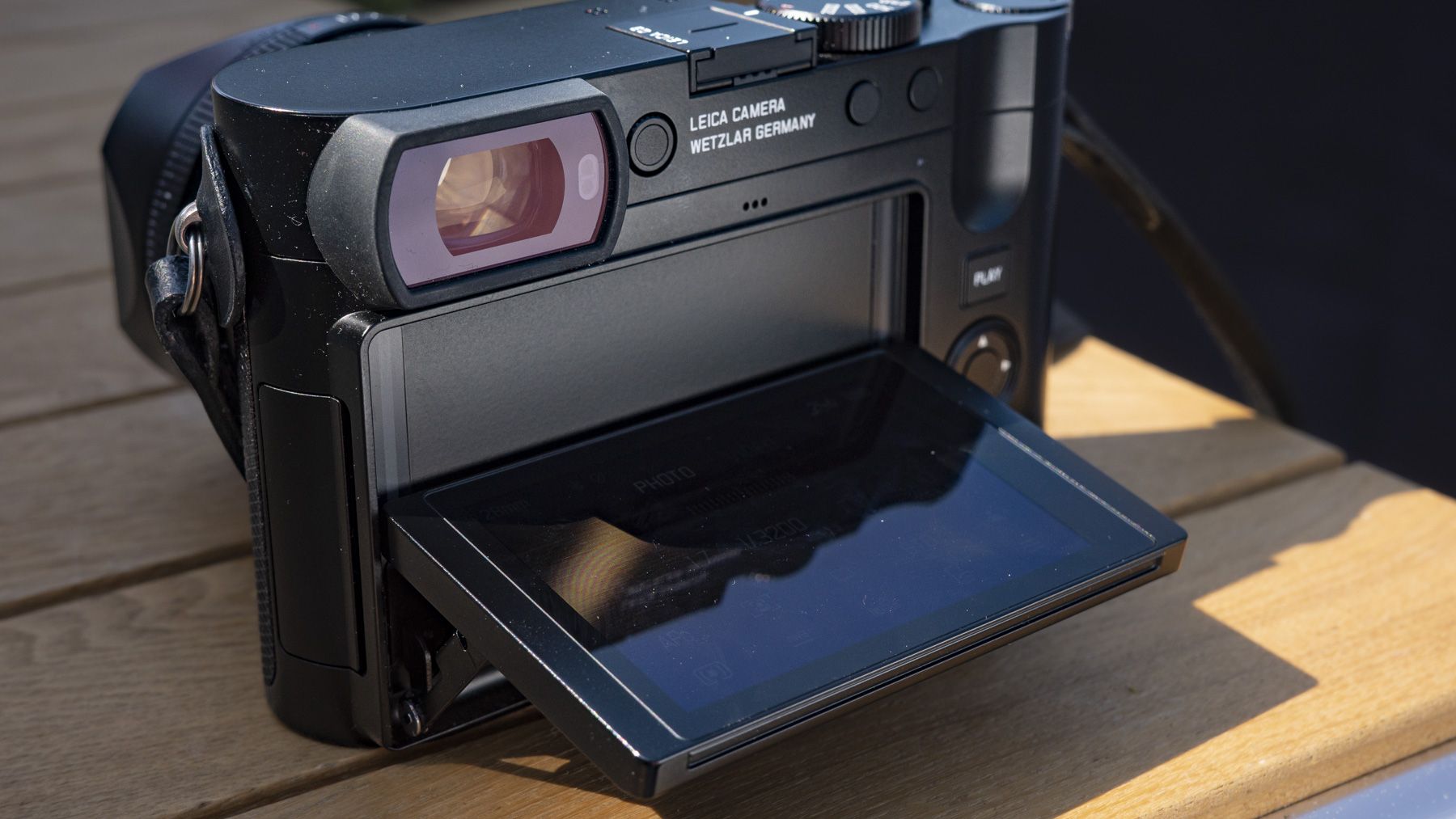
Unparalleled lens design and qualityThe most powerful compact available60.3MP to play withSimply a joy to useNew tilt screen poorly implementedImproved autofocus still bettered elsewhereAverage optical stabilizationMiddling 350-shot battery lifeLeica Q3 sample images
 Future
 Future
 Future
 Future
 Future
 Future
 Future
 FutureBuy it if:
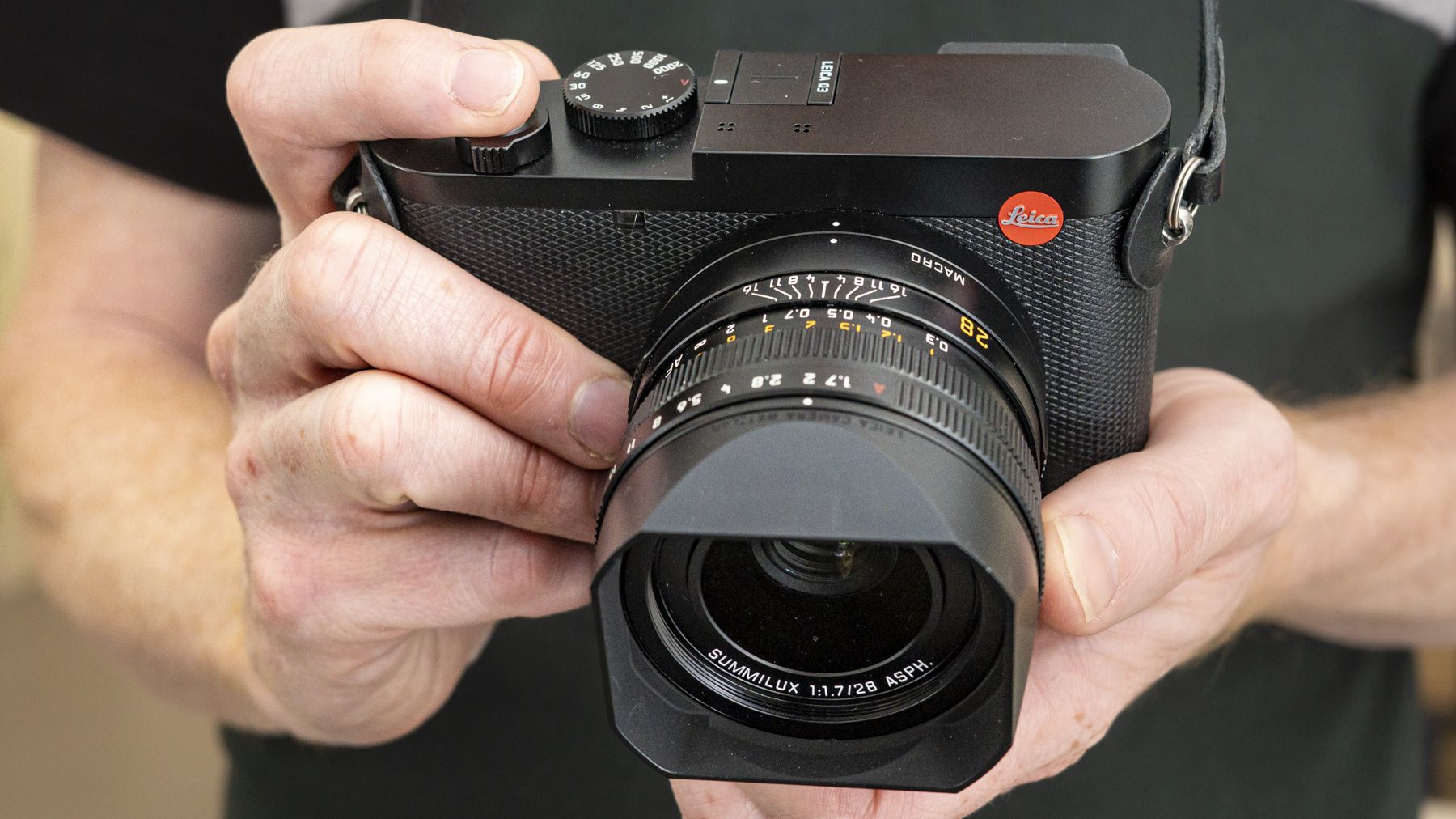
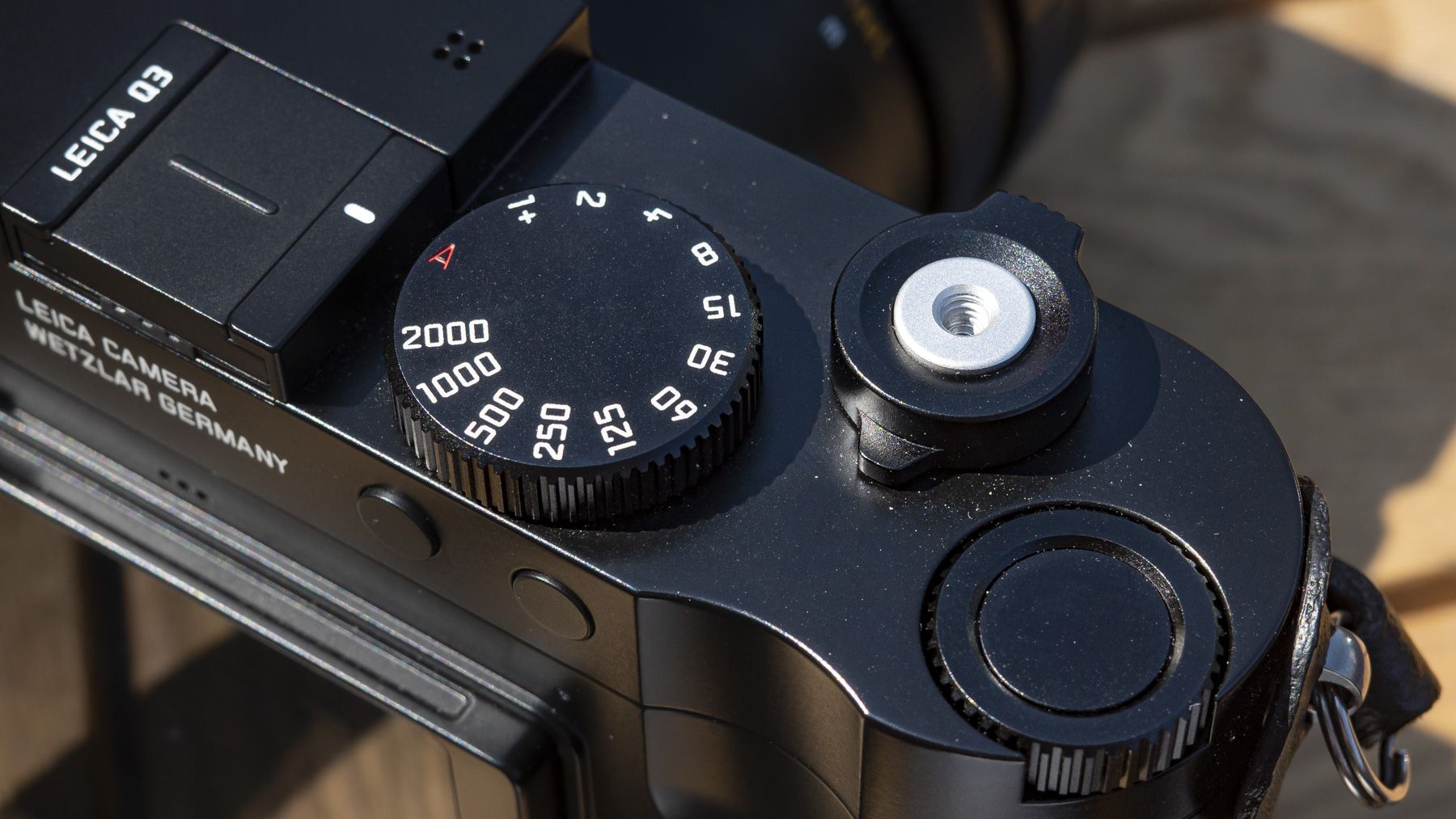
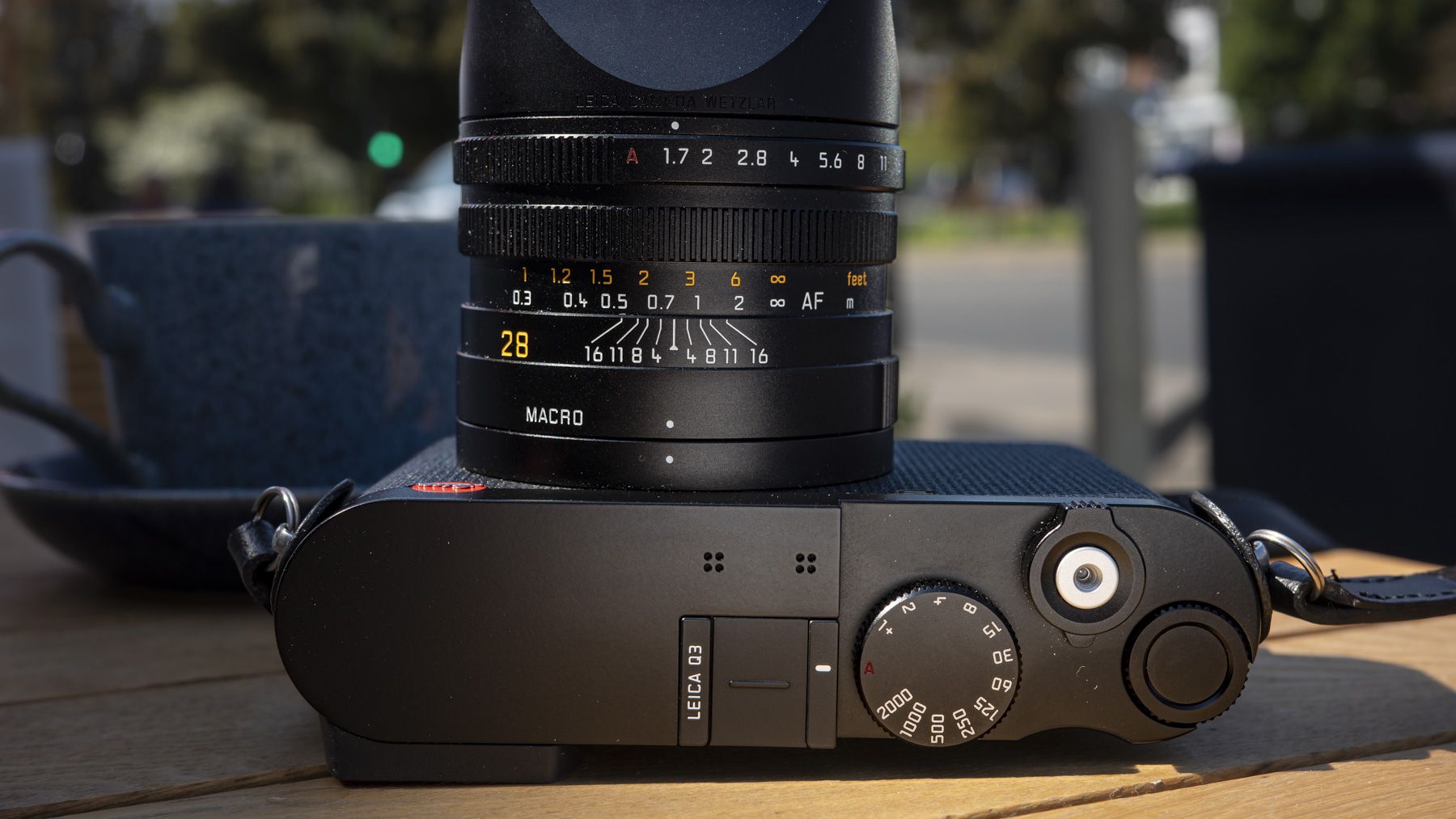
✅ You like manual control and a tactile experience: The robust dials and shutter button offer the tactile experience that we'd like to see more of.
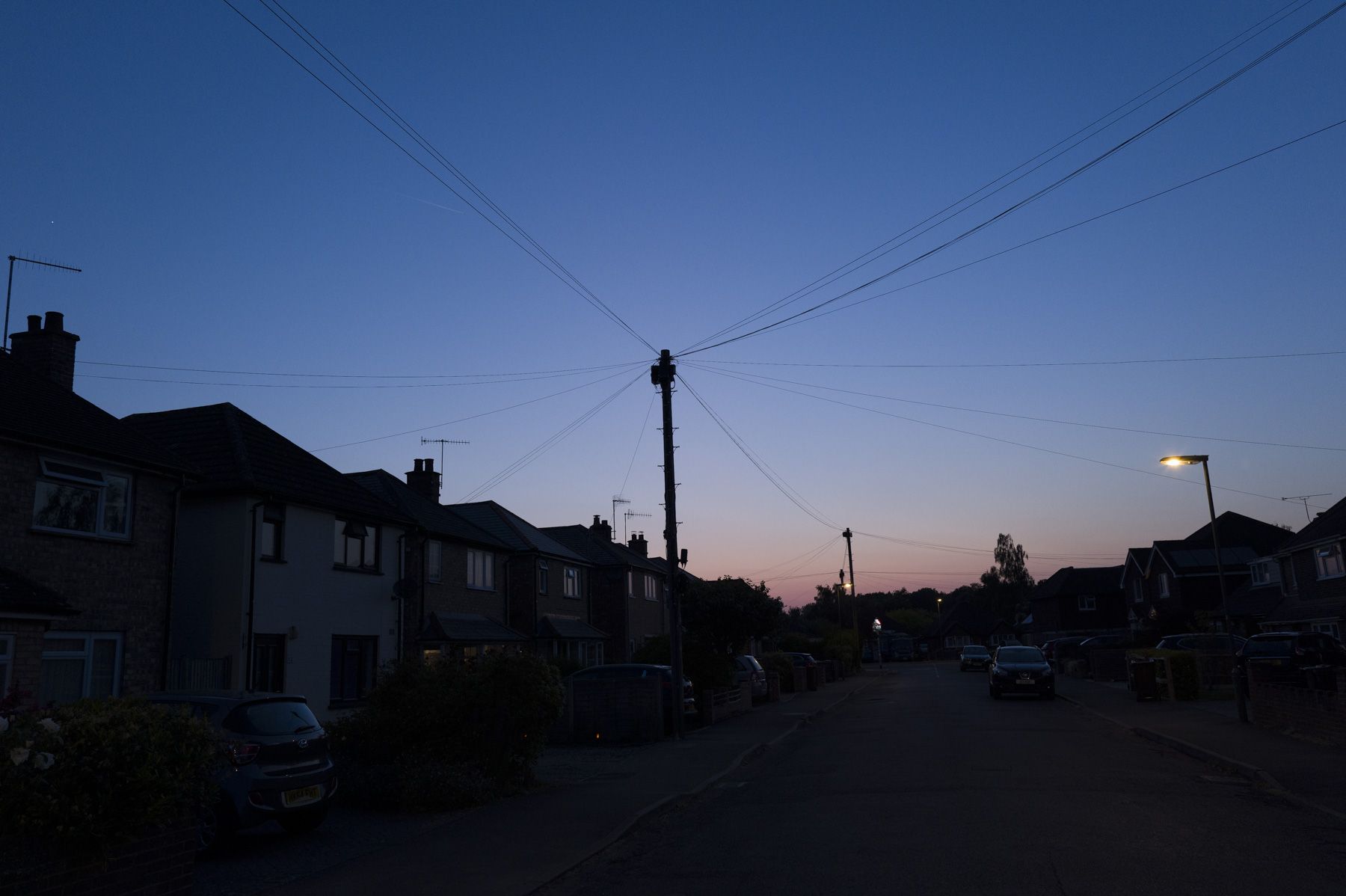
✅ You want the best-quality everyday camera: With a super-sharp lens and full-frame sensor, no compact camera can better the Leica Q3 on stills.
Don't buy it if:❌ You want to push a camera hard: The Q3 has some seriously impressive features, but they work best when in moderate, everyday use.
❌ You’re after great value: There’s no real rival to the Q3, and it does represent reasonable value for a Leica, but $5,995 / £5,300 / AU$9,790 is a lot of anyone’s money.
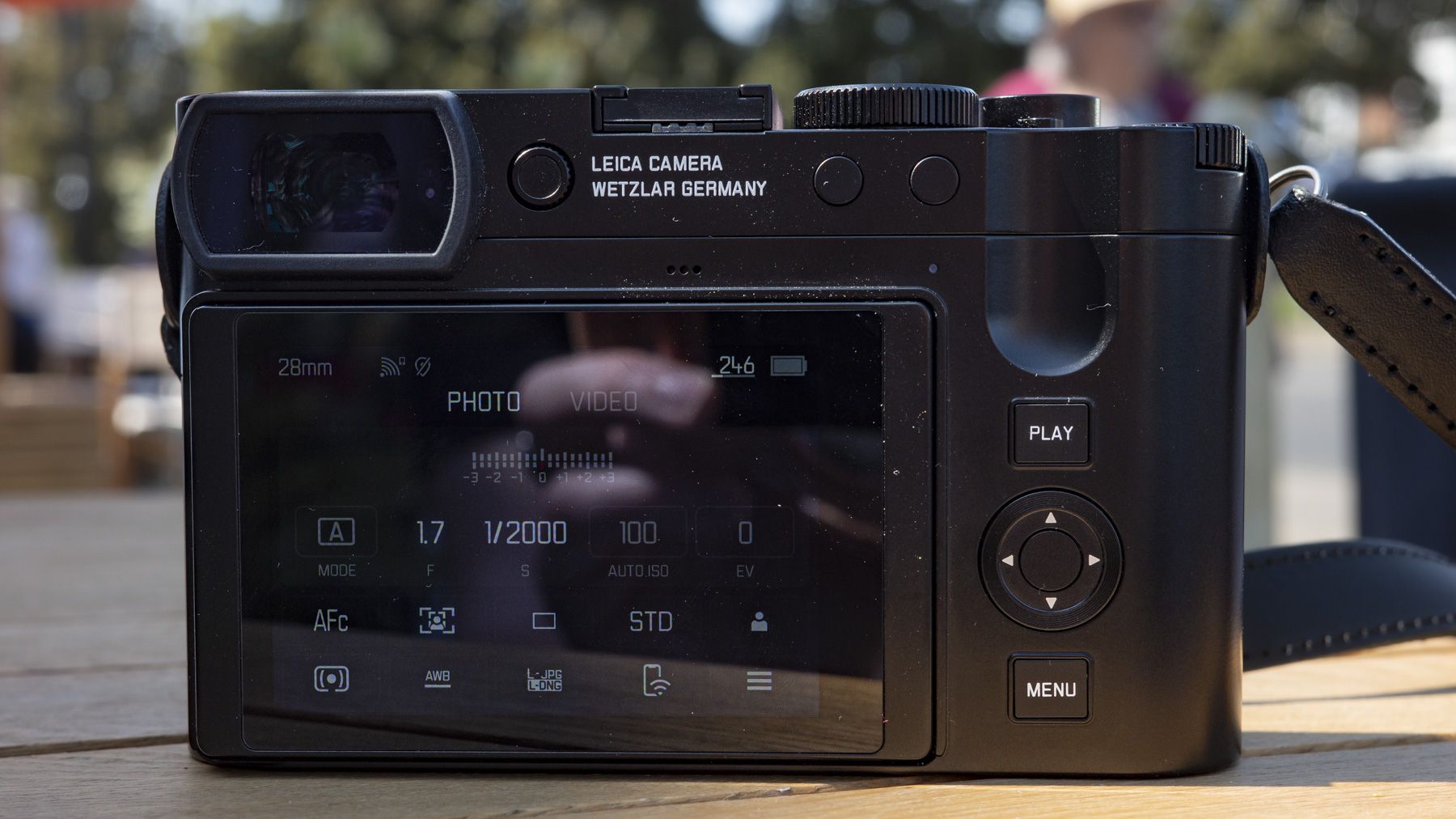
Compact cameras can be cost-effective alternatives to interchangeable lens cameras, but that doesn’t mean there aren’t superb high-end options. Take the stunning Leica Q3: a full-frame monster that comes complete with the exceptional Summilux 28mm f/1.7 ASPH fixed lens. Calling the Leica Q3 compact may be a slight stretch – it's around the same size as the Panasonic Lumix S5 II with a pancake lens – but it is the full package if you’re looking for superlative image quality and almost unparalleled build quality.
It’s this latter point that allows the Leica Q3 to stand out from the competition and smartphones. Put simply, the Leica Q3 offers a premium tactile shooting experience that even the best camera phones can’t hope to match. And, price aside, the Leica Q3 is an excellent performer. Unlike the well-known M-series rangefinders from the brand, the Q3 is fully autofocus capable, which makes it an excellent everyday carry for the well-heeled. Sure, the autofocus performance doesn’t quite match the best systems on the market right now, but the Leica Q3 is the brand’s easiest-to-use camera yet - and one that scores full marks on style points.
Read our in-depth Leica Q3 review
Best alternative...
- Sony RX1R III: With the same 61MP sensor, Sony's RX1R III has a 35mm f/2 lens, incredible autofocus, and a more compact design, but a lot of the RX1R II's features remain, which was disappointing. If you like the sound of an even tighter lens than the Q3's, there's also the Leica Q3 43.
- ^ Back to the top
The best optical zoom compact camera
 Future
 Future
 Future
 Future
 Future
7. Panasonic Lumix ZS99 / TZ99
The best optical zoom compact camera
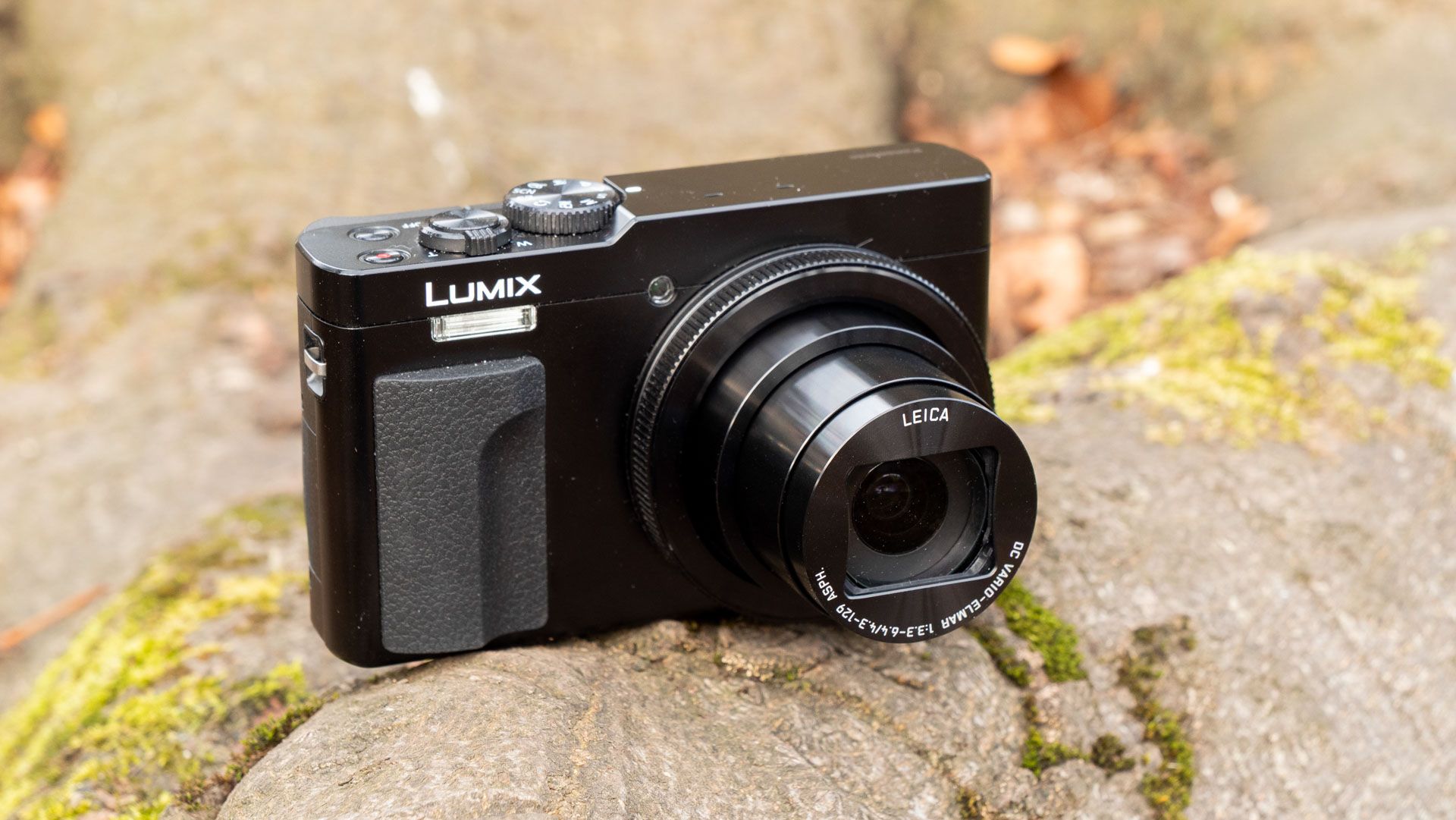
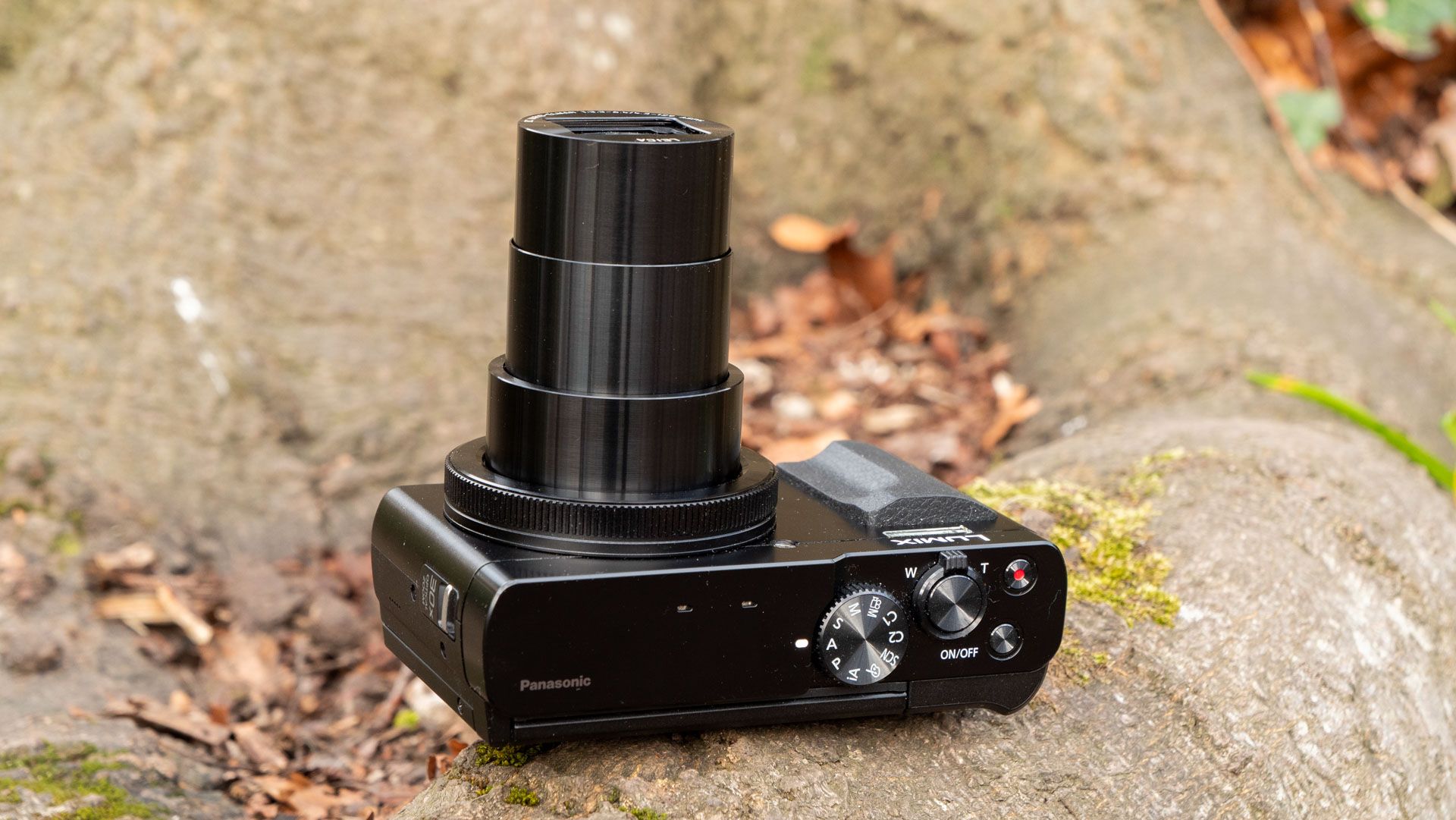
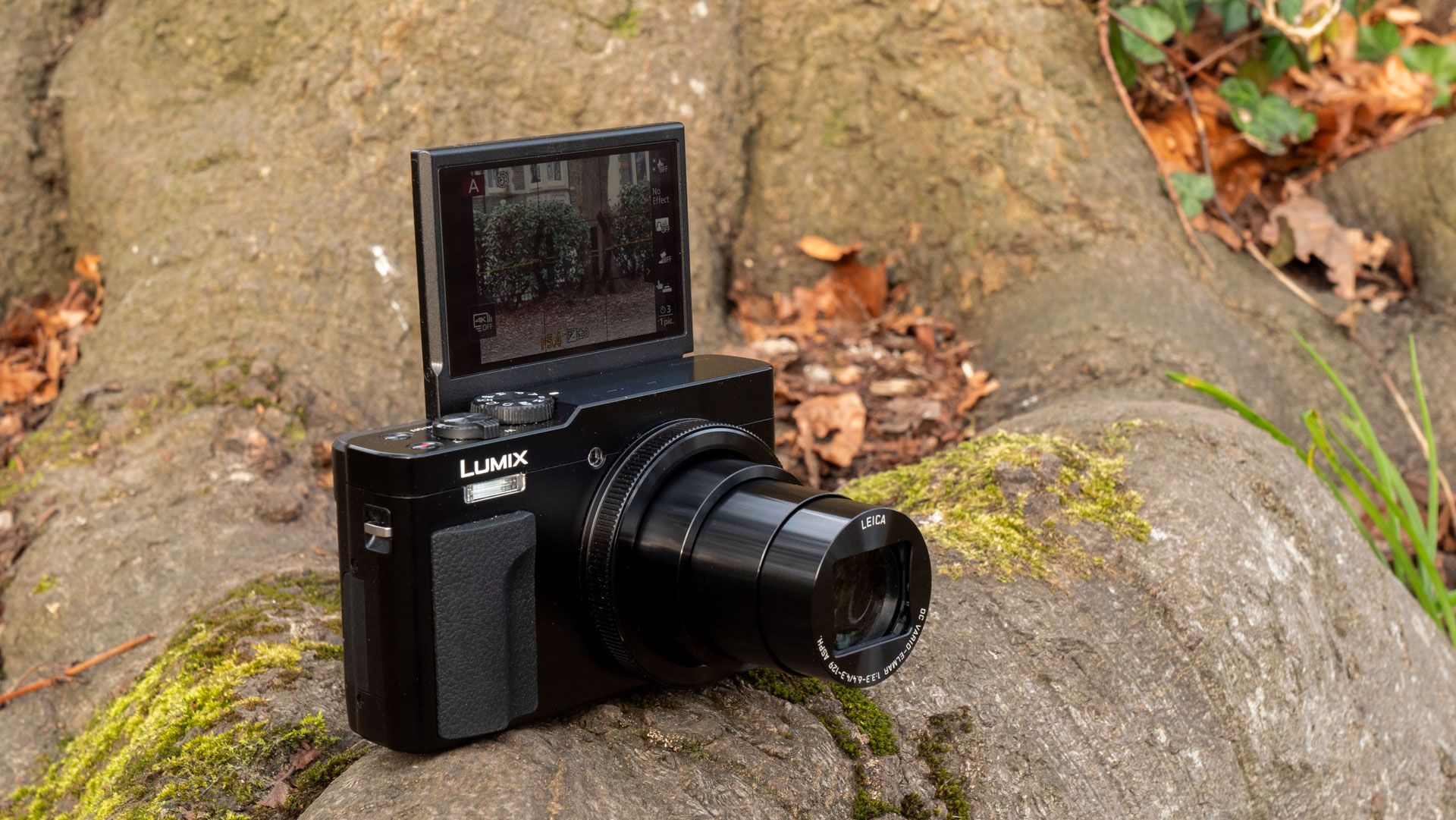
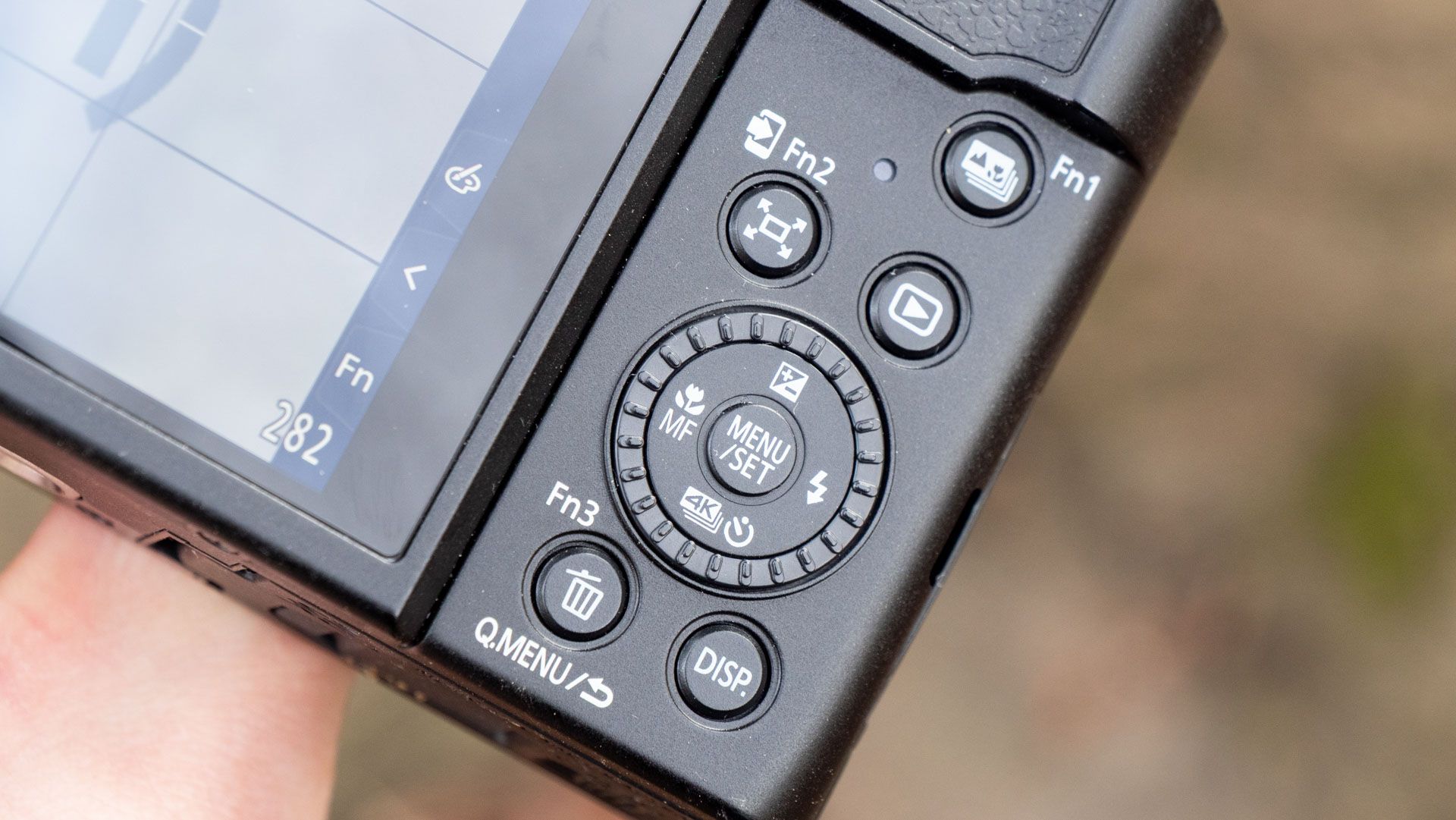
Sensor: 1/2.3-inch 20.3MP Live MOS sensor | Lens: 24-720mm f/3.3-6.4 equivalent | Screen: 3.0-inch TFT LCD Display, 1840k-dots, tilting, touch sensitive | Viewfinder: 30x optical | Continuous shooting: 10fps | Movies: 4K 30fps | User level: Beginner
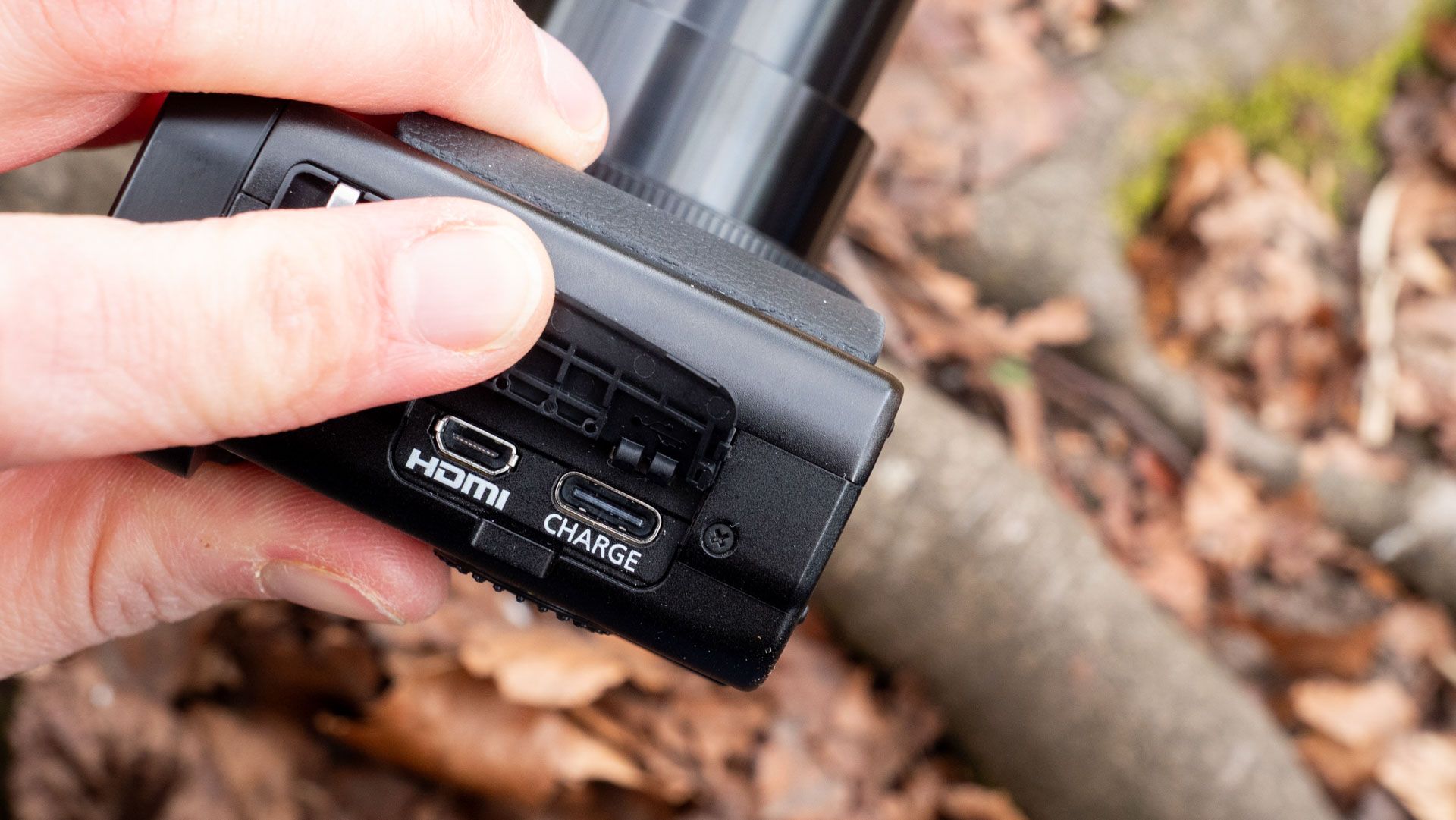
Long zoom (30x)Touchscreen can face forwardsUSB-C charging in-cameraNo viewfinder when there was one beforeNo image quality upgrades from last modelLow light performance is poorPanasonic Lumix ZS99 / TZ99 sample images
 Future
 Future
 Future
 Future
 Future
 FutureBuy it if:
✅ You need a versatile zoom: No other pocket camera in this guide can compete with the ZS99 / TZ99's versatile 30x optical zoom.
✅ You want an affordable snapper: Affordable and truly compact cameras from leading brands are a rarity – the Lumix ZS99 / TZ99 is an exception.
Don't buy it if:❌ You want top-tier image quality: The sacrifice for that versatile 30x zoom is outright image quality.
❌ You'd value a viewfinder: Panasonic did away with the viewfinder from the discontinued model that the Lumix ZS99 / TZ99 replaces, which is a real shame.