It all comes down to decisions made years ago.
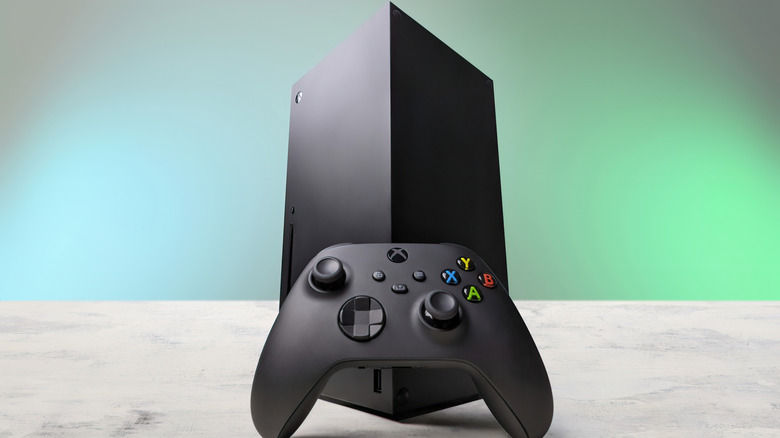
The latest Xboxes haven't exactly been a raging success. Together, the Series X and S still rank a distant third in global console sales behind the Nintendo Switch 2 and Sony's PlayStation 5 lineup. It's not that Microsoft committed an overwhelming blunder — rather, there just haven't been any compelling exclusives. Microsoft may see an influx of customers with Grand Theft Auto VI, but it's hitting PS5 simultaneously.
But there are some things that are better on Xbox, one of them being backward compatibility. Not everyone is willing to fork out $60 to $80 for a new game when there are hundreds of genuine classics available to play for cheap. That's a big reason why PC gaming is so popular — while the hardware often costs thousands of dollars, some of the best games ever made are now less than $10 on stores like Steam and GOG.
Back to consoles, though. How can Xbox trounce the PS5's backward compatibility when Microsoft didn't even enter the console game until 2001? As it turns out, Sony made a fateful decision several years ago that's actually forcing it to depend on newer games for popularity. It's paying off, but possibly at your expense.
Sony's problem and Microsoft's one big win
When preparing to launch the PS5, Sony sacrificed compatibility with the first three PlayStation consoles, as former Sony Interactive Entertainment CEO Jim Ryan told Japan's Famitsu in 2020. The problem was that the company was more devoted to incorporating new technologies such as its DualSense controllers and the switch to SSD storage, and ultimately decided to limit itself to PS4 support.
It's not that there aren't any pre-PS4 games playable today. But if you're playing them on your PS5, they're either PS4 re-releases or one of the titles included in the PlayStation Plus Classics Catalog. To get access to that catalog, you have to spring for a PlayStation Plus Premium subscription, which now costs $20 per month or $160 per year, or pay for each individual classic game.
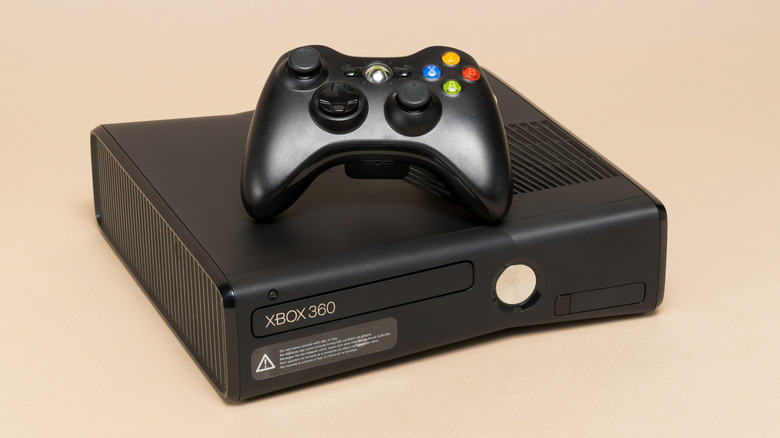
Conversely, Microsoft offers a selection of games for the original Xbox, the Xbox 360 and the Xbox One, regardless of whether you're paying for Game Pass. Most of these are 360 and One titles, to be fair. But that still amounts to nearly 4,000 games, which is more than you could ever have time to play. You can play some of these games on Windows PCs, too, whereas Sony has reportedly retreated from porting new games to Windows, never mind offering up PS1 or PS2 releases like SSX Tricky.
The future is going backwards
Some welcome news for both Xbox and PlayStation fans is that the next-generation consoles — whenever they ship, and whatever they're called — are widely expected to retain the compatibility of the Series X and PS5. This makes sense, since consoles have gradually abandoned proprietary technology in favor of behaving more like PCs. Although that could limit the potential for optimization, the advantage is not just backward compatibility, but the ability to use off-the-shelf or semi-custom parts from companies like AMD. The PS5, for instance, is based on AMD Zen 2 architecture paired with a custom GPU.
There's no word yet on whether Sony will make an effort at restoring compatibility with pre-PS4 titles. It should be possible, since it's already possible to emulate them on PCs through unofficial tools. Official support is something else, of course, since the emulation scene is willing to put up with flaws that just wouldn't fly in a commercial product, such as graphics glitches, bad performance, or missing features.
Finding value-adds could become a big deal for next-generation platforms. Skyrocketing memory prices mean that for the next PlayStation, the RAM and storage alone could cost Sony more than you paid for your PS5. Next-generation consoles will likely cost as much as a PC, possibly negating the main reason to buy them.