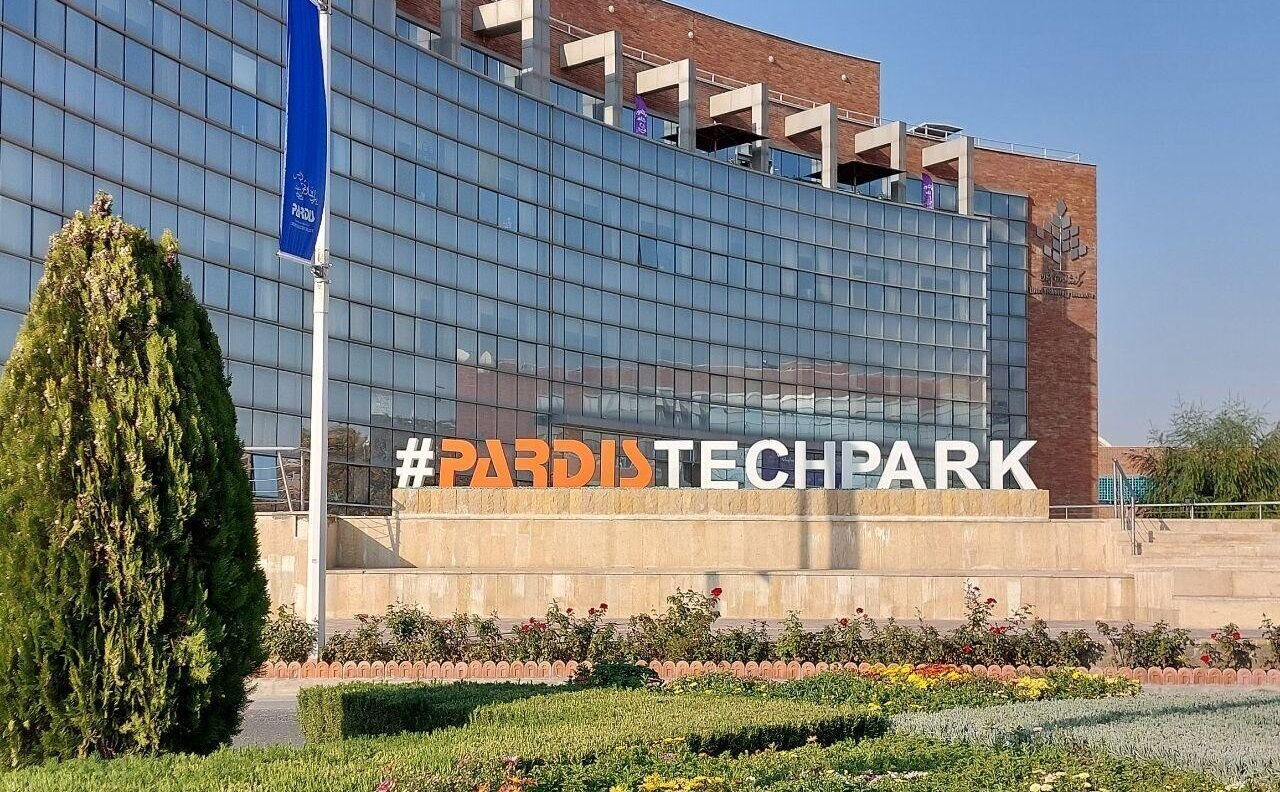
TEHRAN – Aiming to strengthen scientific and technological cooperation among Islamic countries, an online training workshop on the management of technology parks has been held under the joint Technology and Innovation Academy of the Organization of Islamic Cooperation’s (OIC) Standing Committee on Scientific and Technological Cooperation (COMSTECH) and Pardis Technology Park.
The workshop, which focused on establishing and developing innovation ecosystems, brought together more than 120 participants, including managers of scientific and technological centers from OIC member states, IRNA reported on Sunday.
Addressing the opening ceremony, Professor Muhammad Iqbal Choudhary, head of COMSTECH and a laureate of the Mustafa (PBUH) Prize, highlighted the importance of sharing successful experiences in developing innovation ecosystems.
He said that drawing on the experience and achievements of Pardis Technology Park could help scientific and technological centers in Islamic countries improve and develop their national innovation ecosystems.
The workshop was jointly organized by COMSTECH, Pardis Technology Park, and the Islamic Cooperation Youth Forum (ICYF) in Türkiye. It represents one of the key practical initiatives undertaken within the framework of the Joint Technology and Innovation Academy.
The academy was inaugurated two years ago at Pardis Technology Park, on the sidelines of the Mustafa (PBUH) International Prize award ceremony, in the presence of officials from several Islamic countries.
Promoting scientific and technological cooperation
COMSTECH, formally known as the Ministerial Standing Committee on Scientific and Technological Cooperation, is a specialized institution of the OIC established in January 1981 following a resolution adopted at the organization's Third Islamic Summit in Mecca, Saudi Arabia.
Headquartered in Islamabad, Pakistan, the committee is mandated to strengthen scientific and technological cooperation among OIC member states and enhance their individual and collective capabilities in these fields. Pakistan chairs the committee.
Its activities focus on developing scientific and technological capacities, promoting joint research, facilitating the exchange of expertise, and supporting the training of researchers and specialists in emerging fields. It also works to identify the scientific and technological needs of member states and develop programs to address them through cooperation and mutual assistance.
The committee seeks to help Islamic countries build stronger indigenous research capabilities and establish effective institutional frameworks for scientific planning, research, development, and innovation.
Its broader vision is to make science and technology key drivers of socioeconomic development, industrial growth, and improved quality of life across the Islamic world.
Over the years, COMSTECH has pursued these objectives through scientific training courses, specialized workshops, research support programs, institutional partnerships, and networks connecting universities, research centers, and technology organizations in member states. Its initiatives also cover emerging areas of science and technology, with an emphasis on strengthening human resources and expanding opportunities for young researchers.
In this context, technology parks and innovation hubs have an important role to play in translating scientific knowledge into practical applications, supporting technology-based businesses, and connecting universities and research institutions with industry. The cooperation between COMSTECH and Pardis Technology Park is intended to facilitate the exchange of experience and expertise in developing such ecosystems.
Mustafa Prize: recognizing scientific excellence in the Islamic world
The Mustafa (PBUH) Prize, established in 2012, is an international science and technology award presented biennially to outstanding Muslim scientists and researchers around the world. It is regarded as one of the most prestigious scientific awards in the Islamic world and aims to recognize groundbreaking research, promote scientific excellence, and encourage greater cooperation among Muslim scientists.
The award recognizes scientific achievements that contribute to improving human life, introduce significant and innovative advances at the frontiers of science, or offer new scientific methods. It also seeks to strengthen the international visibility of scientific contributions by Muslim researchers and provide a platform for interaction among leading scientific figures and research institutions.
The prize has traditionally recognized achievements in four major fields: Life and Medical Science and Technology; Nanoscience and Nanotechnology; Information and Communication Science and Technology; and All Areas of Science and Technology. Under the award framework, each laureate receives a cash prize of $500,000, along with a special medal and certificate.
Beyond financial recognition, the prize is designed to promote scientific exchanges across the Islamic world. Its laureates are invited to deliver lectures and participate in scientific exchange programs, creating opportunities for researchers, universities, and scientific institutions to establish new professional and research connections.
Since its establishment, the award has brought international attention to the achievements of scientists from various countries, including Iran, Pakistan, Türkiye, Bangladesh, Lebanon, Malaysia, and other parts of the Islamic world. Its award ceremonies have also provided opportunities for scientific gatherings and discussions on the role of research and innovation in addressing global challenges.
The joint Technology and Innovation Academy is part of this broader approach, seeking to turn scientific and technological cooperation into practical programs that strengthen innovation capacities, promote knowledge sharing, and support the development of technology-driven economies across Islamic countries.