The Environment Agency is upgrading six Somerset Levels and Moors pumping stations with new pumps as part of an £11 million scheme.
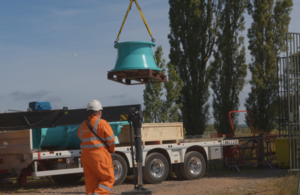
Refurbishments of the pumps at Midelney pumping station have been completed
Refurbishments of the pumps at Midelney pumping station have been completed
New, more reliable, efficient and greener pumps are being rolled out across Somerset pump stations as part of an £11 million programme to help protect communities from the devastating effects of flooding.
Because much of the Somerset Levels and Moors lies below average sea level, pumping stations are used in the winter to lift water from flooded land into rivers and drains, which flow towards the sea, helping to reduce the depth and duration of floods. In the summer they are used to irrigate land for farmers and nature. This water management enables communities to be more resilient.
Refurbishments of the pumps at Midelney and Huish Episcopi have been completed, and work at Northmoor and Westover pumping stations will follow in 2027 with Long Load and North Drain pumping stations due to be finished in 2028.
All 21 pumping stations in the levels and moors already have electric pumps, however many were installed in the 1960s and 1970s and are nearing the end of their working life. The modernised pumps are more reliable, more energy efficient, need less maintenance and cause less impact on fish and eels.
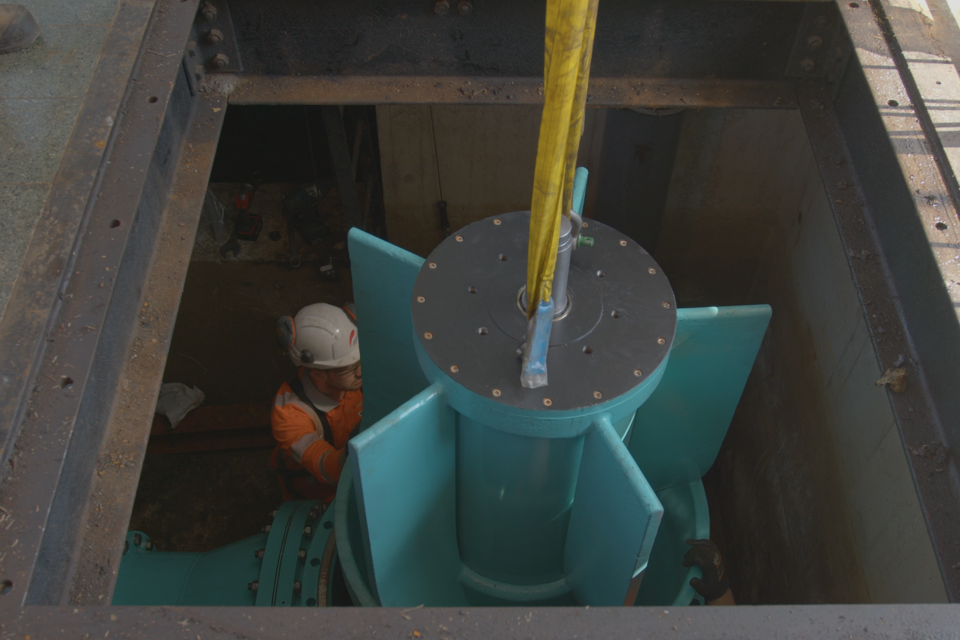
The modernised pumps are more energy efficient, need less maintenance and cause less impact on fish
The modernised pumps are more energy efficient, need less maintenance and cause less impact on fish
Ian Withers, Environment Agency area director for Wessex, said:
Having seen first-hand how flooding affects our communities, this modernisation of vital infrastructure is exactly what we need to build long-term resilience.
These modern pumps will help communities on the Somerset Levels and Moors and provide reliable water management for key locations.
The new package of pumps will give communities long-term benefit. 60,000 people live, work and commute through the Somerset Levels and Moors.
The funding comes from Somerset’s share of the government’s £5.2 Billion investment to protect 336,000 properties from flooding and coastal erosion by 2027. It is in addition to the £50 million Defra is investing through Somerset Council to help the county’s homes, farms and businesses withstand the growing threat of flooding.
Sarah Dyke, MP for Glastonbury and Somerton, said:
This £11 million investment is excellent news for communities across the Somerset Levels and Moors.
These upgraded pumps will give residents and businesses greater confidence that they’re protected from flooding, while the improved efficiency will help us meet our environmental goals.
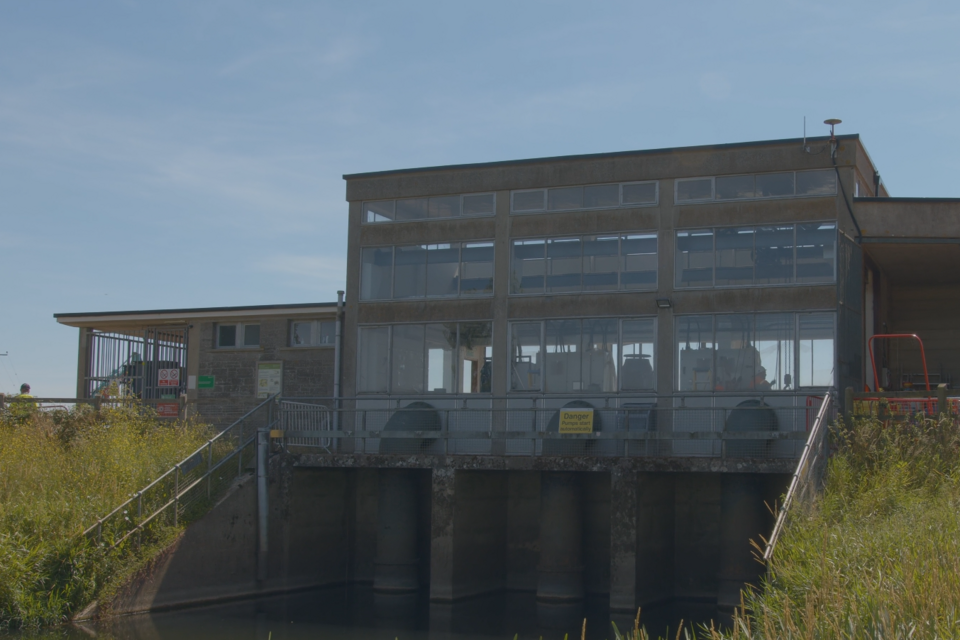
Pumping stations are used in the winter to lift water from flooded land into rivers and drains
Pumping stations are used in the winter to lift water from flooded land into rivers and drains
This is the first phase of the Environment Agency’s long-term strategy to modernise pumps across the Somerset Levels and Moors upgrading the water management system, helping the landscape build resilience to a changing climate.
Ahead of winter weather, the Environment Agency urges people to check their flood risk, draft a flood plan and sign up for flood warnings. Visit Flood Action Online, a ‘one stop shop’ for the public to better prepare for flooding.
Background
The Somerset Levels and Moors are one of the lowest-lying areas in the UK; 18% of Somerset lies below average tide level, and much of the area lies below the high-water mark of spring tides. The area extends to over 60,000 hectares and is very flat.
Some of the pumps are also essential in the summer for irrigation and nature conservation, as well as being part of the flood management system.
Galliford Try are construction partners for the project.