Blogger Vladimir Romanov in occupied Ukraine on Oct. 31, 2026.
Blogger Vladimir Romanov in occupied Ukraine on Oct. 31, 2026.
Russian pro-war military blogger Vladimir Romanov has resurfaced on Telegram after a nearly month-long silence that had fueled rumors he had been arrested over comments critical of October’s humanitarian mission in the occupied Ukrainian town of Oleshky.
Romanov’s Telegram channel, which has over 150,000 subscribers, went silent on Oct. 31, a day after he published and then deleted a post that suggested a U.S.-brokered ceasefire and evacuation effort in Oleshky was unfavorable for Russia.
In the weeks since, other pro-war Telegram channels claimed, without providing sources, that Romanov may face treason and espionage charges over the removed post.
On Wednesday, Romanov filmed a short video of himself driving into the Russian-occupied eastern Ukrainian city of Donetsk without addressing his disappearance or the unconfirmed claims.
“Friends, here we are entering Donetsk itself, Nov. 25, and of course we’re heading further beyond Donetsk,” Romanov said.
“Behind me is the R-280 Novorossiya highway, the ‘Fury Road.’ Ahead of me are good deeds,” he added
The exiled news outlet Agentstvo said it identified the location of Romanov’s video around 7 kilometers (4.35 miles) from central Donetsk, suggesting he entered the city from the direction of occupied Mariupol.
A number of pro-war figures in Russia have faced pressure from law enforcement authorities in recent years over comments critical of the Kremlin’s handling of the full-scale invasion of Ukraine.
In 2024, nationalist and ex-rebel commander Igor Girkin, a convicted war criminal in the West better known by his pseudonym Igor Strelkov, was sentenced to four years in prison for inciting “extremism.” He was arrested the previous summer after publicly criticizing Russian President Vladimir Putin for what he described as incompetence.
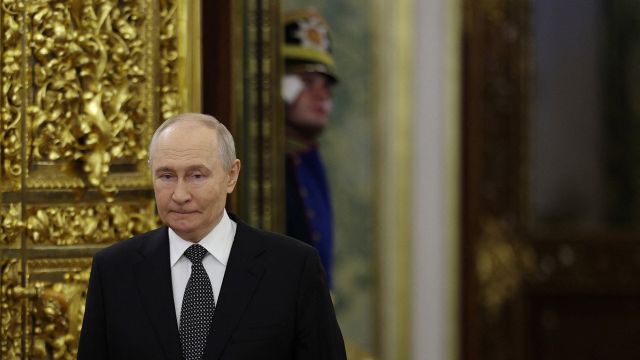
Putin Orders Data Center Construction Plan for Russia’s Coal Regions
The order comes as Russian officials weigh how to protect the country’s digital infrastructure from drone attacks.