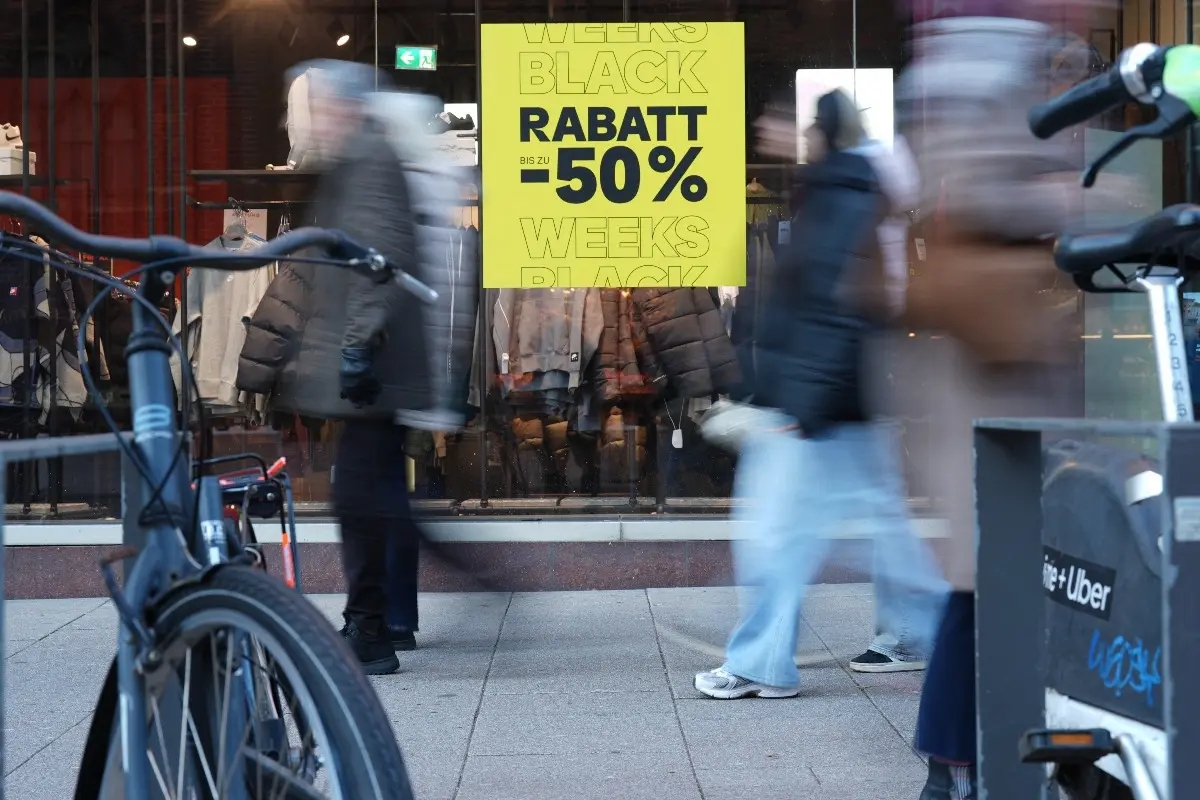
 A sign for Black Friday sales in Hamburg. Photo:picture alliance/dpa | Marcus Brandt
With Black Friday approaching, we explain what the shopping sales mean to Germany, and share advice on making the most of them.
Unless you've managed to avoid both the Internet and city centres, you'll be aware that Black Friday is coming up.
The retail phenomenon, which originated in the United States, has become increasingly popular in Germany and other countries in recent years.
This year it falls on November 27th – but you've probably already seen that sales started earlier in the month. The sales usually continue until what's known as Cyber Monday (which falls on November 30th this year).
Here are five things you should know about Black Friday in Germany.
Don't miss our journalists' daily news roundup from Germany
Many Germans take advantage of the Black Friday sales
Nearly half of all consumers in Germany plan to make a purchase on Black Friday, according to a representative survey by the consulting firm PwC.
On average, respondents intend to spend nearly €300 – an increase of 12 percent compared to the previous year. The survey indicates that electronics and fashion items are in particularly high demand.
"Discount campaigns such as Black Friday remain relevant, particularly in times of economic uncertainty," said Marcus Kroth, a retail expert at the management consultancy BCG.
"However, retailers must go to greater lengths than before to prove that these offers are actually worthwhile."
READ ALSO: Will Germany allow more shops to open on Sunday?
According to a Boston Consulting Group (BSG) survey, 77 percent of Germans are concerned about rising prices for essential goods such as food and energy. Many are responding by cutting back on spending, with households on middle and low incomes paying closer attention to prices when shopping.
A willingness to spend is significantly more pronounced amongst younger and more digitally savvy sections of society, according to marketing and consumer researcher Andreas Baetzgen.
However, there are also many people in Germany who regard Black Friday as "nonsense from America", said Baetzgen.
Germans think twice when it comes to 'special offers'
There is a high level of scepticism in Germany towards so-called Sonderangebote or special offers.
The BCG study shows that only 37 percent of German consumers trust that advertised Black Friday prices are actually significantly reduced. This is 17 percentage points lower than the global average and one of the lowest figures among the countries surveyed.
Baetzgen suggests that one possible explanation for Germans’ high level of scepticism is the extensive public awareness raised in this country by consumer portals, consumer programmes and critical media coverage.
"Naturally, this does give rise to a certain degree of mistrust towards such extreme price reductions," he said.
READ ALSO: How can I tell if a deal is really a good deal in Germany?
Black Friday is a big deal for Germany's retail sector
The shopping event has become hugely significant for retailers. The German Retail Association (HDE) expects a turnover of €6.2 billion this year across Black Friday and Cyber Monday. That would represent a six percent increase compared with last year – and a new record.
"As a retailer, you can no longer ignore Black Friday. Taking part is practically a matter of peer pressure," said economist and retail expert Gerrit Heinemann. In some cases, companies generate up to five percent of their annual turnover on Black Friday alone.
But Black Friday does not necessarily bring in additional revenue; instead it brings forward the Christmas shopping season, according to Heinemann. This could lead to a drop in sales of Christmas presents.
A PwC study supports this assessment. According to the findings, three out of four consumers surveyed buy at least some of their holiday gifts around Black Friday.
Last year, for more than half of the companies surveyed, over 10 percent of their Christmas sales were generated during the promotional days.
People in Germany urged to take part in the sales responsibly
While sales can be great for securing that washing machine you've so desperately needed or those Adidas trainers you've had your eye on for months, many people find themselves drawn to buying things for the sake of it.
Consumer protection organisations advise caution.
"Don’t be misled by the recommended retail price," said Andrea Steinbach from the Consumer Advice Centre.
READ ALSO: What's Germany's version of Craigslist?
A common trick used by retailers is to compare the promotional price with the recommended retail price (RRP) rather than with the actual going rate.
As this is usually significantly lower than the RRP, a 50 percent discount on the RRP often means only a small saving, if any at all.
There are also rules in Germany designed to protect consumers from misleading discounts. Under EU pricing regulations, retailers must generally display the lowest price they charged for a product in the previous 30 days when advertising a price reduction.
This is intended to prevent shops from artificially increasing prices shortly before a sale to make a discount look more attractive.
Nevertheless, it's worth comparing prices across different retailers before making a purchase.
Germany has a strong recycling and sustainability culture.
If you want to rebel against the Black Friday sales altogether, you could try searching for second-hand items, such as on Kleinanzeigen or Vinted. Or you could visit one of Germany's fabulous Flohmärkte (flea markets).
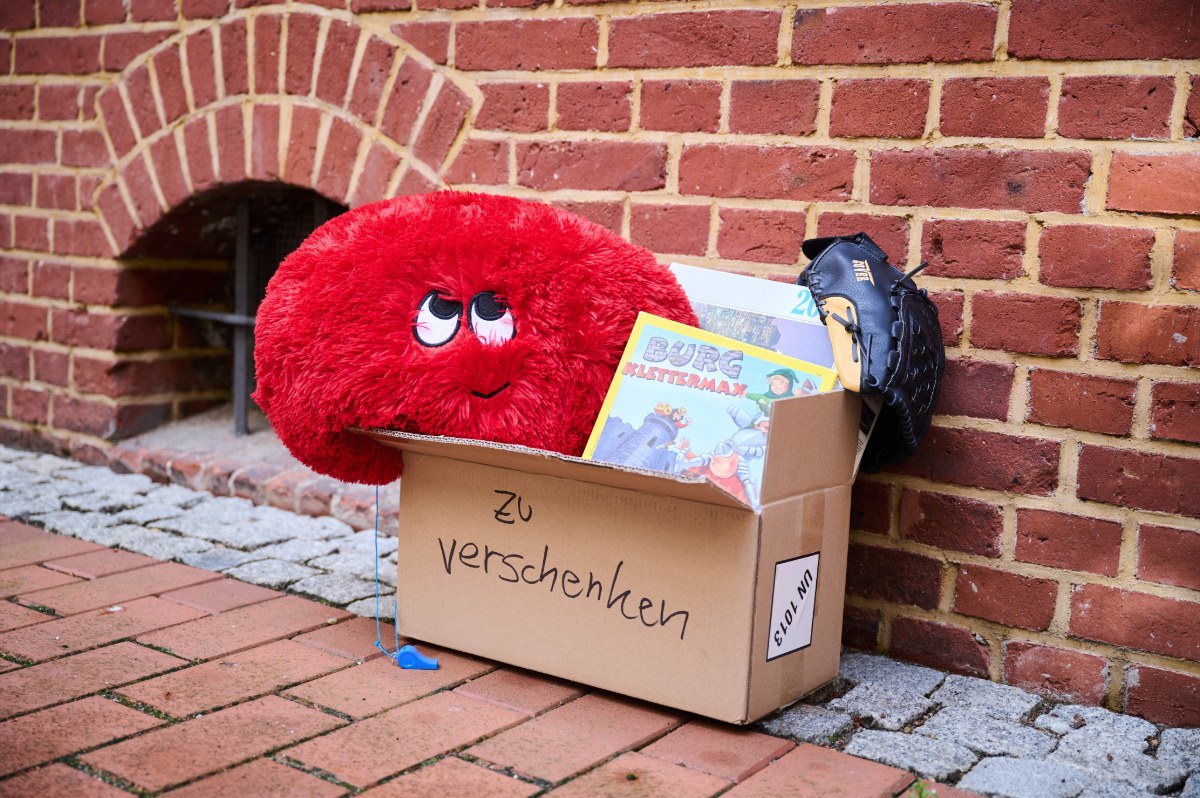
And keep an eye out for "zu Verschenken" (to give away) boxes on the street: sometimes you'll find pre-loved treasures, whether it's a scarf, tea cups or a limited edition of a Prince vinyl from 1984 (you never know).
READ ALSO: How to master second-hand shopping like a German
Die Aktionstage – action days or promotional days
Die Verbraucherzentrale – consumer advice centre
Become a member or log in to continue reading
More
Comments
Join the conversation in our comments section below. Share your own views and experience and if you have a question or suggestion for our journalists then email us at news@thelocal.de.